
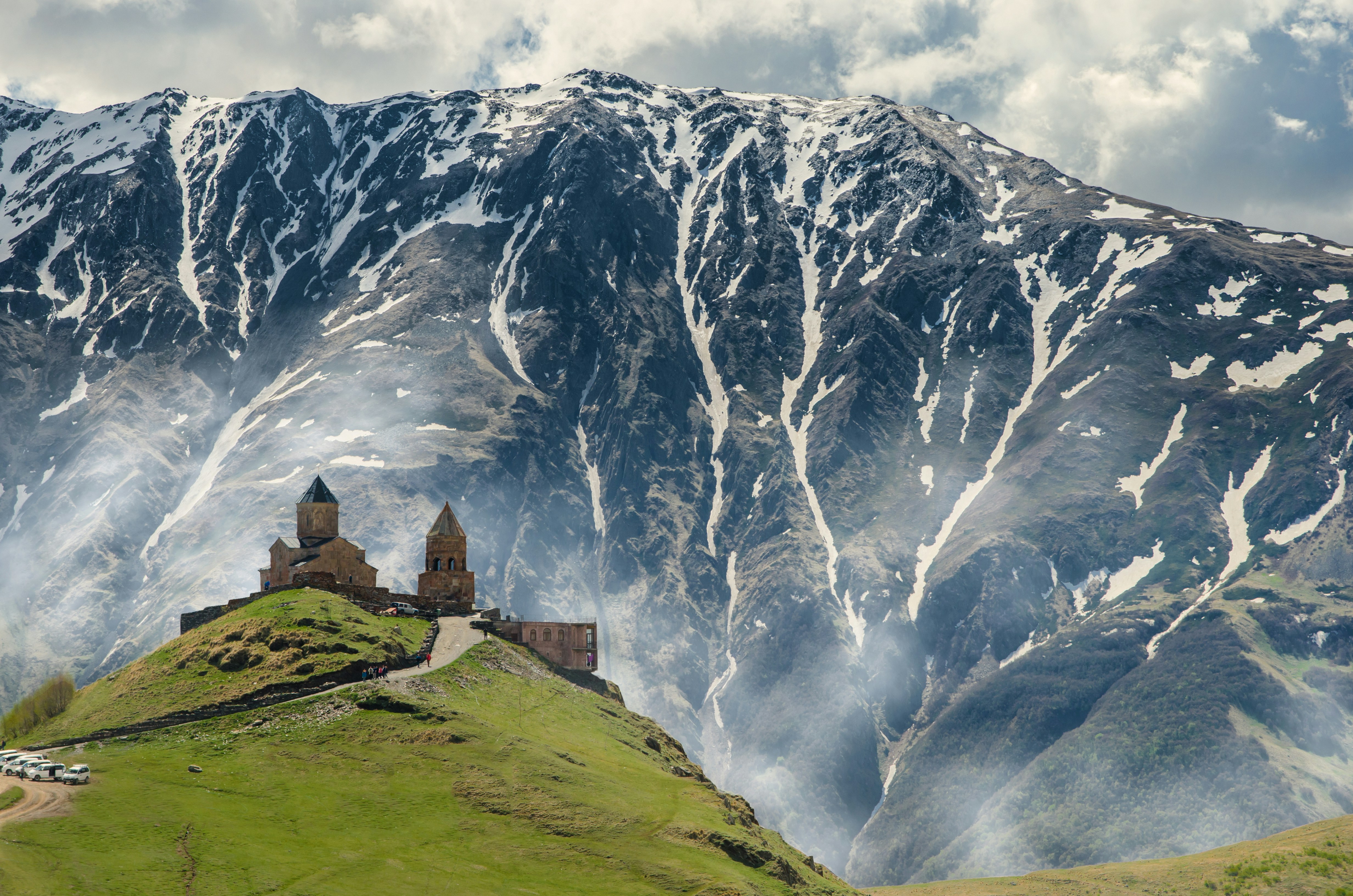
For adventurous travelers, Georgia presents a diverse range of unconventional experiences.
Have you considered traversing a historic Soviet-era cable car, or examining the Stalin Museum to gain insight into the life of the former dictator? Additionally, visitors can explore a church situated on a 40-meter limestone monolith, occupied by a monk who has resided there for extended periods.
Individuals can engage in activities ranging from expeditions within the impressive Caucasus Mountains, to explorations of ancient cave settlements such as Uplistsikhe, and subsequent relaxation in Tbilisi’s renowned sulfur baths.
Whether you identify as an adventure seeker, a connoisseur of historical sites, or an individual with a desire for culinary delights focusing on khachapuri (cheese-filled bread), Georgia offers suitable options. Detailed information concerning unique engagements within Georgia may be found regarding Georgia’s unique travel offerings.
Notable Attractions and Activities within Georgia:
- White Water Rafting on the Rioni River
- Skiing and Snowboarding in Bakuriani
- Paragliding in Gudauri
- Georgia’s Contemporary Electronic Music Culture
- The Tbilisoba Festival
- The Art-Gene Festival
- Exploring the Svetitskhoveli Cathedral
- Visiting the Jvari Monastery
- Investigating Georgia’s Enamel Craft Traditions
- Observations at the Abastumani Observatory
- Georgian Wine Sampling Opportunities
- Exploration of Georgian Local Markets
- Delving into Georgian Culinary Traditions
Rioni River White Water Rafting Experience
This activity involves navigating challenging whitewater rapids within the Rioni River, characterized by significant variations in water flow. Suitable for participants with varying levels of experience in white water rafting, this activity presents a combination of exhilarating rapids and the surrounding natural environment including dense woodlands and pronounced cliffsides. Participants can expect submersion due to the nature of the rapids.
Location and Transportation Details
Location: The rafting commences in Oni, a town situated within the Racha region.
Utilizing Public Transportation
Bus: Individuals can take a bus from Kutaisi – the nearest significant city – towards Oni. The journey is estimated to take 2–3 hours, and the fare is approximately 10–15 GEL (USD $3 – $5 ) . Following arrival in Oni, local guides are commonly available to facilitate transfers to the rafting locations.
Taxi: A privately hired taxi will provide a direct transfer from Kutaisi to Oni, with a cost of approximately 120–150 GEL (USD $40 – $50). Note that ride-hailing services such as Bolt are not operational in this area; passenger will need to negotiate fares directly with resident driver.
What to Expect Onboard
Beginners’ Rapids: If this is your first time rafting, don’t sweat it. Guides will take you through Class II and III rapids, making it just thrilling enough to scream, but not enough to cry. Georgia is generally a safe country and has high standards and safety protocol for adventure activities. Expect prices to start around 50–70 GEL ($17–$25 USD) per person.
Advanced Thrills: For the pros, there are stretches of Class IV rapids that’ll have you clutching that paddle for dear life (in the best way possible). Cost: around 100–150 GEL ($35–$50 USD), depending on the package.
Wear quick-drying clothes and water shoes. Leave your fancy kicks behind unless you want them to take a permanent swim.
Get your visa on-time with VisaFast! Apply for your Georgia visa in just 5 minutes.
Bakuriani Skiing and Snowboarding
Bakuriani is Georgia’s winter wonderland; but it’s also where the slopes meet serious fun. Carve through fresh powder and snap some killer Instagram pics in your après-ski gear — this resort town’s got you covered. Oh, and it’s family-friendly, too, so bring the whole squad! So if you’re considering the best times to visit Georgia, don’t shy away from picking the winter months either.
Location & How to Get There
Location: Bakuriani, about 2.5 hours from Tbilisi.
Public Transport:
Train: The “Kukushka” (a scenic narrow-gauge train) runs from Borjomi to Bakuriani. Tickets cost 5–7 GEL ($2–$3 USD) and the ride is a whole vibe—think snowy forests and mountain views straight out of a postcard.
Taxi: From Tbilisi, a cab ride will set you back 120–150 GEL ($40–$50 USD), but if you’re carpooling, it’s a solid deal.
Highlights
Skiing for Beginners: The Didveli slope is perfect for newbies. Gentle inclines, English-speaking instructors, and affordable lessons make it a no-brainer. Ski rentals: 50 GEL/day ($17 USD), and lessons start at 100 GEL/hour ($35 USD).
Advanced Runs: Seasoned snowboarders can head to Kokhta for steeper challenges and less crowded runs. It’s where you can show off your skills and maybe eat some snow trying.
After you’re done, warm up with a cup of mulled wine at one of the cozy slope-side cafés. It’s basically a reward for surviving the falls.
People also read: Unique places to visit in Georgia country
Gudauri Paragliding Experiences
Paragliding in Gudauri offers an exceptional opportunity to experience the dramatic scenery of Georgia. Located within the Caucasus Mountains, this activity provides a unique aerial perspective of snow-covered mountain summits and extensive valleys. Participants can enjoy the exhilarating sensation of flight above diverse terrain.
No previous paragliding experience is required. Interested individuals can engage in this activity and enjoy the aerial environment provided by Gudauri’s mountains without initial qualification or specialized skills.
Location & How to Get There
Location: Gudauri, about 2 hours north of Tbilisi.
Public Transport:
Marshrutka: Mini-buses from Tbilisi’s Didube Station to Gudauri cost 10 GEL ($3.50 USD) and take about 2 hours. They’re cheap and cheerful (so don’t expect luxury).
Taxi: From Tbilisi, a one-way ride will cost around 100 GEL ($35 USD). If you’re traveling with friends, split the cost and make it worth your while.
Key Aspects
Shared Flights: Lacking prior experience? This option allows for collaboration with an experienced pilot, who manages the technical aspects of the flight, while you can appreciate the scenery and consider this activity. The approximate cost is between 300–400 GEL ($100–$140 USD) for flights lasting 15–20 minutes.
Independent Flights: Qualified and certified paragliders will find several prime launch sites in Gudauri. Participants are expected to provide their own equipment and equipment related adrenaline.
Recommendation: Considering investment in GoPro camera recording, resulting in expenses approximately 50 GEL ($17 USD) allows for capturing verifiable proof of participation for potential confirmation.**
Georgia’s Electronic Music Scene
Tbilisi didn’t just join the global club scene—it kicked the door open and turned the volume up to eleven. Dubbed the “Berlin of the Caucasus,” the city’s electronic music culture is nothing short of legendary. Whether you’re a techno purist or just someone who wants to feel the bass in your bones, Tbilisi’s clubs are where the night turns into morning.
1. Bassiani
Bassiani is a celebrated, subterranean club situated underneath the Dinamo Arena soccer stadium. Recognized for its intense techno music and enforced no-photography regulations (to preserve event privacy), the club is a popular destination for individuals seeking an immersive electronic music experience. The venue regularly features internationally recognized DJs and generates a distinctive, high-energy atmosphere often described as mirroring experiences found in Berlin.
Location: 2 Akaki Tsereteli Avenue, Tbilisi, Georgia.
Transport Options:
Metro: Travelers are advised to utilize the metro system; specifically, alight at Station Square (Sadguris Moedani), subsequently proceed along Tsereteli Avenue. The club’s location is approximately a 5-minute walk from the station’s exit.
Taxi: From Freedom Square, a standard taxi journey to Bassiani typically ranges between 10 and 15 Georgian Lari (GEL) ($3–$5 USD), varying depending on demand and traffic conditions. Ride-hailing platforms such as Bolt and Yandex are commonplace within Tbilisi.
2. Khidi – Tbilisi Techno Club
Khidi, commonly translated as “The Bridge,” is a renowned techno club situated in Tbilisi, Georgia. This vast venue boasts impressive lighting installations and advanced sound systems, offering visitors an exceptional nighttime experience. Often compared to Bassiani, Tbilisi’s primary club, Khidi is notable for its strong focus on impactful bass music and a distinct, raw atmosphere.
Location: Vakhushti Bagrationi Bridge, Right Embankment, Tbilisi, Georgia.
Transportation Options:
Public Transportation: Several bus lines serve this area of Tbilisi. Travelers are advised to consult local transportation schedules to identify the most suitable route.
Taxi: A taxi journey from central Tbilisi to Khidi typically takes approximately 10 minutes. Estimated fares range from 7 to 10 Georgian Lari (approximately $2.50–$3.50 USD).
Important Considerations for Your Trip
Nightlife Hours: Tbilisi’s entertainment venues typically begin to feature activity after midnight, with the primary active period commencing around 2:00 a.m. It is generally unnecessary to arrive at venues prior to this time unless you wish to socialize with the staff.
Entry Costs: Clubs such as Bassiani and Khidi routinely impose entrance fees generally ranging from 30 to 50 Georgian Lari ($10–$17 USD). Higher fees may apply for exclusive events or performances by established guest DJs.
Tbilisoba Festival
The Tbilisoba Festival provides an opportunity to experience Tbilisi during October. During the festival, the city becomes a vibrant event featuring live music, performances of traditional and contemporary dances, and numerous food vendors offering a diverse range of Georgian cuisine. This annual occasion recognizes Tbilisi’s historical heritage and its contemporary dynamics.
Key Attractions
Georgian Folk Traditions: Various venues throughout the city feature performances of traditional Georgian music and dance. This includes diverse styles, such as polyphonic choirs and spirited dancers dressed in chokhas (traditional attire).
Culinary Experiences: Local providers offer a selection of Georgian cuisine, notably khinkali and churchkhela. Opportunities also exist to sample qvevri wine, acknowledging its established significance as deeply interwoven within Georgian cultural practices, beyond merely being a beverage.
Handcrafted Goods: Open-air markets provide the opportunity to purchase handmade souvenirs, including traditional wool caps and various enamel art pieces. These items are suitable for sharing in social media platforms.
Travel Details & Accessibility
The festival involves several locations, primarily in Old Tbilisi and Rike Park.
Public Transportation: The Avlabari or Freedom Square metro stations are readily accessible, providing convenient routes directly to the festival area. A single metro journey costs 0.50 GEL (approximately $0.70 USD) – $0.20 USD.
Taxi Services: Ride-hailing applications, such as Bolt and Yandex, are a practical and economical solution for travel around the city’s central area. Typical fares for short journeys within the city center are estimated between 5 and 7 GEL ($7.00 - $9.00 USD) $1.70–$2.40 USD.
Participate in the traditional grape-stomping events occurring at Rike Park, observing Georgia’s historic wine-making heritage. Comfortable footwear is strongly recommended due to extended periods of walking and participation in the festival activities.
Art-Gene Festival
The Art-Gene Festival provides a comprehensive exploration of Georgian culture. Annually taking place in July at Tbilisi’s open-air Ethnographic Museum, this seven-day event focuses on maintaining and evolving Georgia’s traditional folklore through a contemporary lens. Attendees will experience a convergence of historic Georgian dances, distinctive polyphonic vocal performances, and contemporary Georgian musical acts, presented within the setting of historical rural structures. This event offers an immersive introduction to the key facets of Georgian heritage.
Key Features
Traditional Music and Dance Performances: Experience the diverse musical heritage of Georgia through authentic performances, encompassing styles like the distinct slow dances of the Svan region and the elaborate, high-energy leaps associated with Kakhetian performers.
Contemporary Music Representation: The festival offers a showcase for contemporary Georgian artists. Attendees can expect to encounter music groups that creatively integrate traditional folk elements with genres such as rock and jazz.
Artisan Workshops & Goods: Participate in practical sessions where you’ll discover techniques like weaving, sculpting, or traditional Georgian baking methods. Alternatively, browse and purchase traditionally crafted goods.
Location & Getting There
Venue: Open-Air Ethnographic Museum, Turtle Lake Road, Tbilisi.
Public Transport: Take Bus 90 or 124 from Rustaveli Avenue to Turtle Lake Road. The ride costs around 0.50 GEL ($0.20 USD). From the stop, it’s a short uphill walk.
Taxi: A direct ride to the museum costs about 10 GEL ($3.50 USD) from the city center. If you’re traveling in a group, it’s a solid deal.
Svetitskhoveli Cathedral
Located in the central area of Mtskheta, a historic Georgian town, the Svetitskhoveli Cathedral is an exceptional example of 11th-century Georgian architectural design. This structure serves as an important historical artifact, notable for its detailed stonework, striking painted murals, and extensive history dating back several centuries. The cathedral holds considerable religious importance, as it is believed to house the “Mantle of Christ,” leading it to be a prominent destination for Christian pilgrims from around the globe.
How to Get There
Location: Mtskheta, about 20 km from Tbilisi.
Public Transport: Marshrutkas (minibuses) from Tbilisi’s Didube Station to Mtskheta cost around 2 GEL ($0.70 USD) and take about 20–30 minutes. Once in town, the cathedral is an easy walk from the bus stop.
Taxi: A taxi from Tbilisi costs about 20–25 GEL ($7–$9 USD), perfect if you’re traveling with a group or prefer direct access.
Key Features
Impressive Design: The cathedral showcases significant architectural qualities, including its prominent arches and intricate stone embellishments, reflective of Georgia’s architectural heritage.
Paintings & Historical Accounts: Explore the vibrant depictions in the painted frescoes accompanied by narrations about Georgia’s religious history.
Respectful attire is required as this is a venerated place of worship. Visitors, particularly women, are advised to carry a head covering for modesty.
Jvari Monastery
Located on a hillside adjacent to the confluence of the Mtkvari and Aragvi rivers, the Jvari Monastery presents expansive vistas and provides a calming atmosphere. This church, established in the 6th century, adheres to a cruciform design and reflects the foundations of Georgian Orthodox Christianity. Its location ensures particularly advantageous panoramic views.
Getting to the Location
Location: The site is situated just outside Mtskheta, with easy access from the town center.
Public Transport: Marshrutkas (minibuses) operating from Tbilisi to Mtskheta will drop passengers at the base of the hill; however, a hike or a local taxi will be necessary to ascend the steep incline to the monastery.
Taxi: A taxi journey from Mtskheta to Jvari Monastery typically ranges from 10 to 15 GEL (equivalent to approximately $3.50–$5 USD). Many taxi services provide combined trips encompassing both sites.
Key Attributes
Landscape Aesthetics: The site’s location offers dramatic, expansive vistas encompassing Mtskheta and the surrounding Georgian landscape, creating a sense of tranquility and immersion.
Architectural Merit: Jvari represents an initial manifestation of Georgian religious architectural design, reflecting principles of austerity and balanced proportions.
Cultural Heritage Value: Designated as a UNESCO World Heritage Site, the complex serves as a significant historical representation of Georgia’s religious and heritage landscapes.
Georgian Cloisonné Enamel Production
Cloisonné enamel, also known as Minankari, represents a precise artistic process involving the creation of detailed designs. This technique relies on separating sections of an artwork using metal dividers – commonly referred to as “cloisons” – and subsequently filling these compartments with specially formulated, pigmented enamel pastes. Following the firing process, which transforms the pastes into a durable, glossy finish and vibrant surface, this meticulous methodology is a historically significant element in Georgian artistry, extending its application across various objects including spiritual items and personal jewellery.
Sources for Minankari Jewelry
Ikorta Enamel Jewelry Studio: Situated in Tserovani, this studio provides a collection of enamel items, created by local artisans. Clients can examine the available items and potentially participate in workshops to gain knowledge of the creation process.
Tamila Designs: This brand focuses on Georgian cloisonné enamel, presenting a carefully chosen variety of jewelry, which embodies classic designs whilst integrating contemporary styling.
Key Features
Varied Styles: Minankari jewelry encompasses a spectrum of designs, including understated pendants, earrings, intricate bracelets, and rings. The designs frequently draw upon motifs rooted in Georgian folklore alongside natural imagery.
Intense Hues: The employment of striking, distinct color tones is a defining characteristic of Minankari, resulting from the deliberate use and firing of enamel powders.
Historical Context: Each item conveys a narrative, reflecting historical traditions and the creative legacy of Georgia.
Upon acquiring Minankari jewelry, it is advised to investigate the artisan’s origins and the underlying influences for the specific creation. Establishing such knowledge cultivates a richer understanding of the associated artistry and workmanship.
Abastumani Astrophysical Observatory
Located in the mountainous region of Georgia, the Abastumani Astrophysical Observatory provides an opportunity to observe the stars. Officially established in 1932, this observatory has historically served as a site for astronomical research and observation. Situated at an elevation of approximately 1,700 meters above sea level, it offers exceptional viewing conditions characterized by notably clear skies.
Transportation Options
Location: Abastumani, situated approximately 250 kilometers from Tbilisi.
By Private Vehicle: Consider undertaking a road journey; it is advisable to arrange this with travel companions alongside adequate provisions. The drive typically takes 4 to 5 hours, traversing scenic areas suitable for photographic documentation.
Public Transportation: It is possible to utilize a bus or a marshrutka (Georgian for minibus) from Tbilisi to Akhaltsikhe. Following arrival, a local taxi or another marshrutka can be arranged onward to Abastumani. Please note that transport schedules may be intermittent, and proactive planning is necessary.
Highlights
Guided Tours: Sign up for a tour and get the lowdown on the observatory’s history, peep through some epic telescopes, and maybe even catch a shooting star. Daytime tours are cool, but the night ones? Out of this world.
Astrophysical Museum: Geek out over vintage space gear and learn about the cosmos in the on-site museum. It’s like a time machine for astronomy nerds.
Stargazing: With minimal light pollution and those high-altitude vibes, the stars here shine bright like diamonds. Perfect for a romantic date or just flexing your constellation knowledge.
Wine Production in Georgia
Georgia has a long-standing winemaking heritage, tracing its roots back over 8,000 years. This nation offers a unique wine tourism experience founded upon one of the world’s most ancient traditions of viticulture. Indian applicants seeking to explore this region will have the opportunity to visit some of the earliest vineyards, experiencing a distinct winemaking culture.
Kakheti Region
The heart of Georgian wine country, Kakheti is about a 2-hour drive east of Tbilisi.
By Car: Rent a car or hire a driver for the day. The scenic route through the Gombori Pass is a treat in itself.
Public Transport: Marshrutkas (minibuses) depart from Tbilisi’s Isani Station to Telavi or Sighnaghi in Kakheti. Cost is around 10 GEL ($3.50 USD). From there, local taxis can take you to specific wineries.
Organized Tours: If you prefer someone else to handle the logistics, several companies offer guided wine tours from Tbilisi. These often include transportation, tastings, and sometimes even a hearty Georgian meal.
Key Considerations for Visiting Georgia
Explore Traditional Winemaking Techniques: Discover the distinctive ‘qvevri’ method, characterised by the underground fermentation of wine within clay vessels. Several wineries, such as Pheasant’s Tears based in Sighnaghi, provide guided tours and tastings that demonstrate this established process.
Experience a Range of Grape Varieties: Georgia boasts an extensive collection of over 500 native grape varieties, resulting in wines spanning from dry whites to full-bodied reds. Notable examples include Saperavi, a powerful red, and Rkatsiteli, acknowledged for its refreshing qualities.
Participate in Wine Harvest Festivals: Plan your trip to coincide with significant events such as the Tbilisi New Wine Festival in May or the Rtveli Harvest Festival held during autumn. These occasions allow visitors to engage in grape-stomping and partake in community celebrations observing the crop’s abundance.
Pair your wine tasting with local cheeses and traditional bread to balance flavours throughout your visit.
Discover Georgia’s Markets
Dezerter Bazaar (Tbilisi)
Located centrally within Tbilisi, the Dezerter Bazaar remains the city’s largest and most historically significant market. The market’s origin dates back to the 1920s, during which time soldiers who deserted sold military equipment at this location. Currently, the bazaar serves as a diverse and extensive marketplace offering a wide selection including fresh produce, spices, and household goods.
Getting to the Bazaar:
Address: Tsinamdzgvrishvili Street, Tbilisi.
Public Transportation Options: Access the bazaar via the metro; alight at Station Square (Sadguris Moedani), followed by a short westward walk. Alternatively, utilize Buses 308 and 306, originating from Freedom Square, which will deposit you in proximity to the market.
Market Highlights:
Assortment of Produce: A diverse array of fresh fruits, vegetables, and various herb varieties will provide a flavorful retail experience.
Spice and Herb Offerings: Numerous stalls display an extensive selection of colorful spices and fragrant herbs for sale.
Traditional Foods: Shoppers can find a variety of artisan cheeses, cured meats, and characteristic sweets available at local vendors.
Kutaisi Central Market (Kutaisi)
The Kutaisi Central Market, located in Georgia’s third-largest city, is a significant commercial hub. The market is primarily known for offering a wide range of locally sourced products, including fresh agricultural produce representing the area’s prosperous farming traditions.
- Location: Situated in the city center of Kutaisi, close to the principal square.
Market Overview
Regional Specialities: Discover distinctive items from the Imeretian region, such as specialized cheeses and aromatic spices.
Traditional Crafts: Observe authentic Georgian handcrafted items and regionally sourced souvenirs.
Retail Offerings: Access a diverse collection of apparel and household commodities.
Central Market, Batumi
Located in the coastal city of Batumi, this market presents a distinctive combination of seaside atmosphere and commercial activity. The market provides access to diverse offerings, including fresh seafood, regional produce, and a range of merchandise, representing the core of Batumi’s energetic culture.
- Address: Chavchavadze Street, Batumi.
Market Overview:
Seafood Availability: An extensive collection of fish and seafood species reflecting Batumi’s waterfront location.
Regional Produce: Seasonal fruits and vegetables procured from neighboring regions.
Retail Items: Multiple stalls selling clothing and domestic items.
Important Note: Visiting the market during early morning hours tends to provide the greatest choice of seafood, and proximate vendors offer characteristic Adjarian khachapuri.
Explore Georgia’s Culinary Scene
Must-Try Dishes
1. Khachapuri
Khachapuri, Georgia’s iconic cheese-filled bread, is a prominent food item enjoyed throughout the country. The Adjaruli version, characterized by its boat-shaped dough, is a particularly popular choice, traditionally filled with melted cheese, a raw egg yolk, and butter. This dish caters to a preference for carbohydrate-rich foods and is recommended for any visitor.
Recommended Establishments: Sakhachapure #1 (various locations), Machakhela (Old Tbilisi), and Retro (Vake District).
Estimated Cost: Roughly $15 - $20 USD ($3–$5 USD).
Recommendation: For the authentic experience, separate the bread crust and utilize it to fully absorb the melted cheese filling.
2. Khinkali
These juicy dumplings are a Georgian favorite, typically stuffed with spiced meat and a burst of savory broth. The trick is to hold them by the top knot, take a careful bite, slurp the juicy filling, and then devour the rest. It’s a hands-on experience that’s as fun as it is delicious.
Where to Get It: Zakhar Zakharich (near Dry Bridge), Pasanauri (Rustaveli Avenue), and Amo Rame (Marjanishvili).
Cost: Around 1–2 GEL per piece ($0.30–$0.60 USD).
Pro Tip: Pair with a cold Georgian beer for the ultimate combo.
3. Badrijani Nigvzit
Grilled slices of eggplant prepared with a savory walnut and garlic mixture, resulting in a small, meticulously rolled delicacy. The presentation includes a garnish of pomegranate seeds to provide textural contrast. This dish exemplifies the Georgian tradition of skillful ingredient pairing.
Recommended Vendors: Café Littera (Sololaki), Shavi Lomi (Chugureti), and Barbarestan (Marjanishvili).
Estimated Cost: Approximately 12 to 18 Georgian Lari (GEL) ($4 to $6 US Dollars).
Suggestion: Consider ordering as an initial course alongside a regional white wine.
4. Lobio
Lobio is a traditional Georgian dish featuring a substantial stew prepared with red kidney beans, which are cooked extensively with onions, garlic, and a selection of spices. Typically, it’s traditionally accompanied by Mchadi (a type of cornbread) or pickled vegetables – it presents as a warming and deeply satisfying meal.
Popular Locations: Lobio can be found at Salobie Bia (located on Rustaveli), Ezo (Sololaki), and Keto and Kote (Vera).
Approximate Cost: Lobio tends to cost roughly 10–15 GEL (equivalent to approximately $3–$5 USD).
Chef’s Recommendation: For increased flavour complexity, slightly mash the prepared beans and further introduce fresh herbs into the mix.
5. Chakhokhbili
Chakhokhbili is a dish characterized by tender chicken prepared in a substantial tomato reduction, seasoned with fresh herbs and spices resulting in a noticeable, palatable heat. The dish is traditionally accompanied by the act of consuming the remaining sauce using a substantial piece of baked bread.
Locations: Chakhokhbili can typically be found at Café Gabriadze (in the Old Tbilisi district), Tsiskvili (located in Didube), and Samikitno (situated in Meidan Square).
Price Range: The cost for a portion of Chakhokhbili typically falls within the range of 15 to 20 Georgian Lari ($5–$7 United States Dollars).
Recommendation: It is recommended to pair Chakhokhbili with fresh bread for optimal sauce consumption.
Recommended Dining Establishments
1. Barbarestan
Housed in a charming 19th-century building, Barbarestan offers a unique dining experience inspired by the recipes of Barbare Jorjadze, a 19th-century Georgian duchess and the country’s first female cookbook author. The restaurant combines traditional Georgian dishes with a modern twist, all served in a cozy, family-run atmosphere.
Location & How to Get There
- Address: D. Aghmashenebeli Ave. 132, Tbilisi, Georgia.
Public Transport:
Metro: Take the metro to Marjanishvili Station. From there, it’s a 10-minute walk along Aghmashenebeli Avenue. Metro fare is approximately 0.50 GEL ($0.20 USD).
Taxi: A taxi ride from Freedom Square to Barbarestan takes about 10 minutes, costing around 5–7 GEL ($1.70–$2.40 USD). Ride-hailing apps like Bolt and Yandex are widely used in Tbilisi.
What Dishes to Try
Badrijani Nigvzit: Fried eggplant rolls stuffed with a rich walnut paste, garnished with pomegranate seeds. A delightful blend of flavors and textures. Priced around 18–20 GEL ($6–$7 USD).
Chakapuli: A traditional Georgian stew made with tender lamb, tarragon, and sour plums, offering a unique tangy taste. Costs approximately 35–40 GEL ($12–$14 USD).
Pelamushi: A classic Georgian dessert made from grape juice and cornflour, resulting in a sweet, jelly-like treat. Priced at about 15–18 GEL ($5–$6 USD).
2. Heart of Batumi
Tucked away in the cobblestoned charm of Batumi’s Old Town, Heart of Batumi isn’t just a restaurant—it’s an edible love letter to Georgian cuisine. From hearty traditional dishes to lighter modern twists, this spot has a knack for making you feel like a VIP guest at grandma’s house (if grandma had a flair for plating). Expect a mix of laid-back vibes and delicious fare that’ll make you unbutton your jeans by dessert.
Location & How to Get There
- Address: Baratashvili St. 1, Batumi, Georgia.
Public Transport:
Bus: Hop on any bus heading to Batumi’s Old Town and get off near Baratashvili Street. Tickets are a breezy 0.40 GEL ($0.15 USD), and the bus stops just a 5-minute walk from the restaurant.
Taxi: A quick 5-minute ride from the Batumi Boulevard area will set you back around 5–7 GEL ($1.70–$2.40 USD). Bolt and Yandex are your go-to apps for fair fares.
What Dishes to Try
Adjarian Khachapuri
This isn’t your average cheesy bread—it’s a boat-shaped carb masterpiece brimming with melted cheese, butter, and a sunny-side-up egg. Mix it up for the ultimate gooey bite. Price: 15–20 GEL ($5–$7 USD).Grilled Trout with Walnuts
A fresh, local trout grilled to perfection and topped with a nutty walnut sauce that’s a little tangy, a little creamy, and entirely irresistible. Expect to pay around 30–35 GEL ($10–$12 USD).Churchkhela Plate
Georgia’s beloved “candle-shaped snack” gets the royal treatment here. Think nuts wrapped in concentrated grape juice for a chewy, sweet finish. A plate costs about 10–15 GEL ($3.50–$5 USD).
3. Café Littera
Situated in the historic Sololaki district, Café Littera provides a premium dining experience within the garden of a notable 20th-century building, which is the home of the Writers’ House of Georgia. The establishment specializes in an innovative approach to Georgian cuisine, integrating conventional flavors with contemporary culinary methodologies.
Location & Transportation
- Address: 13 Ivane Machabeli St, Tbilisi, Georgia.
Public Transportation:
Bus: Bus route number 31 has a stop proximate to the restaurant. A cost of approximately 0.50 GEL ($0.20 USD) applies for bus fares.
Taxi: A taxi journey from Freedom Square to Café Littera is expected to take approximately 5 minutes, estimating transport costs between 3–5 GEL ($1–$1.70 USD).
Recommended Dishes
Satsivi: This dish centers around chicken prepared in a distinct heavy walnut sauce characterized by garlic and select spices – a conventional serving often witnessed during celebrated events, costing approximately 30–35 GEL ($10–$12 USD).
Pkhali Trio: This involves showcasing a variety of vegetable, and walnut spreads consisting of ingredients such as, spinach, beetroot, and eggplant served alongside locally baked artisan bread, signifying healthful tasting appretizer; estimated expenditure roughly 20–25 GEL ($7–$8.50 USD).
Tklapi with Cheese: Presented cuisine features the custom Georgian fruitleather product expertly paired alongside readily accessible regional dairy offerings, illustrating the optimal confluence of complementary flavors, selling in the order of 15-18 GEL ($5–$6 USD).
Georgia Offers The Best of Europe and Asia
So, you’ve hiked through Georgia’s breathtaking highlands, explored Tbilisi’s Prometheus Caves, sipped wine older than your great-grandma, and maybe even tried to out-toast a local at a supra (spoiler: you can’t). You’ll realize that exploring Georgia is practically full-on immersion into a land where Europe shakes hands with Asia, creating a cultural cocktail that’s as intoxicating as their homemade chacha.
What’s even more interesting is that unlike its neighbors, Georgia doesn’t just sit on the fence between continents—it throws a party on it. It’s this blend of old and new, East and West, that sets Georgia apart and keeps you guessing what’s around the next mountain bend.
And remember, the best tales often come from the unplanned moments. So, ditch the rigid itinerary, follow that winding alley, accept that unexpected invitation. In Georgia, spontaneity is how you dive into the main course.