
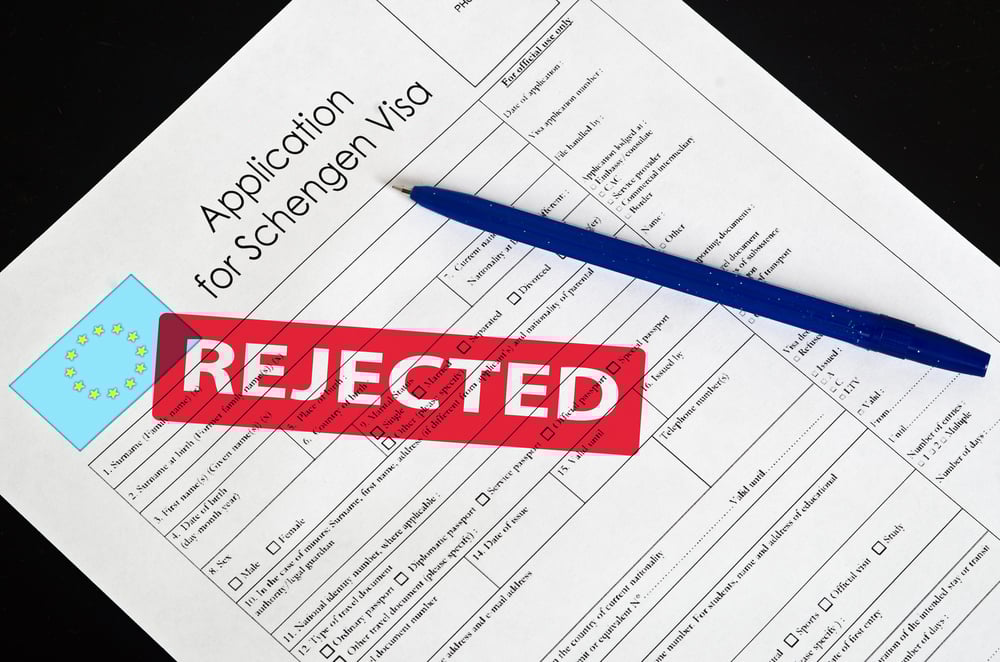
Schengen Visa Rejected? Here’s What to Do Next
Receiving a Schengen visa rejection can be discouraging, particularly if you’ve planned your European trip in detail. While a refusal can feel like a setback, it doesn’t have to end your travel plans. This guide will walk you through the steps to take after a rejection, how to reapply successfully, and key strategies to boost your chances of visa approval.
After Rejection of My Schengen Visa, When Can I Resubmit an Application?
You can indeed resubmit an application for a Schengen visa following its rejection. To enhance your prospects of acceptance, it is advisable to rectify the issues pointed out by the concerned authorities in their initial decision. No specific time frame is mandated before you can reapply. Here, we will elucidate your available choices and walk you through the process of resubmitting your application.
What course of action should you take after your Schengen visa refusal?
Upon the rejection of your Schengen visa application, there are two possible actions: either lodge an appeal or re-apply.
Lodging an appeal signifies requesting a review of the initial decision made on your application.
Re-applying entails initiating a fresh application, complete with the resubmission of all necessary documents.
When Should You Contemplate Appealing Your Visa Refusal for Reason Schengen?
Consider lodging an appeal if:
You are certain about your submission’s accuracy and completeness: If you are confident that all provided documents were accurate and exhaustive, and the rejection was due to an oversight or mistake, appealing may be advisable.
You possess robust evidence of financial stability: In case the refusal was based on insufficient funds, and you can substantiate your financial resources, an appeal could potentially be the best course of action.
You have spare time: The appeals process may take considerable time. If you are not pressed for immediate travel plans, appealing might prove beneficial.
You wish to save on costs: An appeal tends to incur fewer costs compared to initiating a new application, making it a more cost-effective option.
Addressing alerts against you: If a Schengen country has issued an alert against you, lodging an appeal may help rectify misunderstandings without necessitating a fresh application.
When is it advisable to resubmit a Schengen visa application?
Resubmitting an application may be advantageous in certain scenarios:
If you have rectified the issues in your prior application: Rectifying problems that led to the initial rejection, such as incomplete documents or ambiguous information, could potentially lead to a more favorable outcome.
In case of time-sensitive visits: Resubmitting may be quicker than awaiting an appeal decision if you need to travel imminently. The resubmission process can usually be completed more swiftly.
For those willing to pay the relevant fee once more: Submitting a new application involves re-submitting all necessary documentation and paying the associated service fees again. This may suit individuals who are prepared to invest additional time and financial resources into the process.
Ultimately, whether you decide to appeal or resubmit depends on your specific circumstances, the urgency of your travel, and your readiness either to contest the initial decision or begin anew.
To minimize the risk of repeated rejections, consider applying for a Schengen visa through VisaFast and secure your appointment within the promised time frame.
How to Challenge a Denial of Schengen Visa?
It is possible to challenge a denial of a Schengen visa if you feel the decision was unjust or erroneous. The denial letter generally outlines the process for filing an appeal and specifies the timeframe in which the application must be submitted, usually within 15-30 days. The appeal process involves writing a formal letter articulating reasons why the initial decision should be reconsidered, along with providing supplementary evidence to bolster your claim.
What Steps Should I Follow to Enhance My Chances When Reapplying for a Schengen Visa?
After determining the need for a fresh application, it’s crucial to submit an error-free one to prevent repetition of past errors. It is possible to reapply for a Schengen visa after rectifying the reasons for prior rejection. Here is a systematic approach to boost your prospects:
- Identify and rectify the cause(s) for rejection.
- Gather all necessary documents required for a successful application.
- Complete the application form accurately and honestly.
- Submit the supporting documents along with the completed application.
- Prepare for the interview, if applicable, by reviewing common questions and providing honest, concise responses.
- Follow the instructions for submitting your application carefully, ensuring you meet all deadlines and requirements.
Step 1: Address the Grounds of Previous Refusals:
In case of a reapplication, meticulously address the reasons for the previous refusal. This could involve updating documents, supplying additional financial information, or rectifying errors in your travel schedule, with a focus on addressing all concerns raised by the Embassy.
Step 2: Gather and Prepare Essential Supporting Documents:
Prove Sufficient Financial Means: Demonstrate the availability of adequate funds for your entire trip duration. A suggested minimum amount is €50-€100 per day, depending on the country and lifestyle. Submit official bank statements for the past 3 to 6 months, ensuring they are stamped and show a satisfactory balance.
Prepare a Comprehensive Travel Itinerary: A comprehensive itinerary is essential for establishing your trip’s purpose. This should include accommodation reservations, planned activities, confirmed flight bookings, and intended travel routes for each country you visit. Additionally, consider including an invitation letter from a friend or relative in the Schengen section to bolster the credibility of your itinerary.
Enhance Evidence of Return Intent: Consulates require proof that you will return home after your trip. Submit documents such as:
- Employment Verification: Provide a letter from your employer verifying your employment obligations upon your return.
- Family Ties: Submit documents demonstrating dependents in your home country to prove the necessity of your return.
- Property Ownership: If you own property or have financial commitments, include these relevant documents to strengthen your case.
Step 3: Verify Your Travel Insurance Compliance:
Travel insurance is indispensable for securing approval of a Schengen visa. It must adhere to the following specifications:
Minimum Coverage Amount of €30,000: Make certain that your insurance policy provides coverage of at least €30,000 for unexpected medical emergencies, including repatriation.
Coverage for All Schengen Countries: The coverage area for the policy should include all countries within the Schengen region.
Coverage for Entire Trip Duration: Ensure that the policy’s validity extends from your arrival until you depart the Schengen zone.
Step 4: Ensure Accuracy and Consistency:
It is imperative to avoid providing false or misleading information during the application process. Visa authorities thoroughly scrutinize submitted details, and any inconsistencies could lead to rejection. Always present truthful reasons for travel, and ensure that all your supporting documents are consistent in their content.
Step 5: Preparation for Potential Visa Interview (If Necessary):
Some embassies may require personal appearances for an interview. In the event of a scheduled interview:
Ensure Readiness: Familiarize yourself thoroughly with the details of your travel plans—the purpose, accommodations, and financial aspects.
Establish Intent to Depart: Be convincing when discussing your ties to your home country. A strong employment background, family connections, and property ownership can serve as proof of your intention to return.
Monitoring Your Visa Application Status:
Following a successful submission of your application, you are advised to monitor its progress, specifically your Schengen visa. This procedure keeps you updated on the current status and offers an estimate for when you might receive a decision.
Key strategies for a fruitful resubmission of the Schengen visa
Resubmitting a declined application can be challenging, particularly when faced with rejection. Here are some valuable tips to boost your odds of approval on your second attempt:
Apply in good time but not prematurely: After a denial, ensure you rectify the issues without unduly delaying the resubmission. Ideally, apply again after approximately 30 days, having made all necessary corrections mentioned in the rejection notice.
Focus on accuracy and consistency: Visa refusals often stem from small errors or discrepancies. Thoroughly check your application for completeness, currency of documents, and overall presentation.
Adhere to Embassy stipulations: The Schengen visa has specific guidelines set by the Embassy. Comply meticulously with all requirements, from documentation to passport photo dimensions. Refer frequently to the official Embassy website to avoid overlooking any prerequisites.
Highlight your authentic travel intent: Visa officers aim to ascertain that visitors to the Schengen region have genuine motives and plans to return home. To substantiate this, present the following:
Employment proof: Provide evidence of employment status, leave approvals, and current salary details.
Real estate documents: Any property ownership records in your homeland demonstrate continued residence there.
Previous travel documentation: If you have traveled abroad and returned on schedule, passport stamps or visas from those countries serve to bolster credibility.
Seek Professional Advice (if necessary): In case of doubts regarding the resubmission, consulting an immigration consultant may be advantageous. They can help you avoid errors, collect essential documents, and provide guidance throughout the process.
Overcoming a Visa Refusal: A Fresh Start
Experiencing a refusal on a Schengen visa application can be disheartening, but it doesn’t signify the end of your aspirations. To enhance your prospects for success, it is essential to comprehend the reasons behind the rejection, implement necessary corrective measures, and submit a flawless resubmission.
Numerous travelers have managed to secure their Schengen visas following initial refusals by learning from their missteps and adhering to the instructions with utmost precision. Remember, diligence, transparency, and comprehensive documentation are crucial in demonstrating your sincere intentions and securing a visa. Regard this experience as an opportunity for growth, reinforce your application, and maintain a positive outlook. Your European journey may be just a reapplication away!