
When we dream of Europe, we often picture cobbled streets, charming cafés, and centuries-old architecture. But beyond the allure of culture and cuisine, there’s something travellers today value more than ever, and that’s safety. Compared to other regions, Europe continues to rank high on global safety indexes, making it a reassuring choice for solo travellers, families, and digital nomads alike. Europe continues to shine on global safety indexes, making it a comforting choice for solo wanderers, families, and remote workers chasing new horizons.
In 2024 alone, tourist accommodation across the EU saw over 3 billion nights booked, a 2.2% increase from 2023. International travellers led the way, contributing to a 4.9% rise.
In fact, many European countries score impressively on the Global Peace Index (GPI), a trusted benchmark that measures factors such as political stability, societal security, and the absence of conflict. So, whether you’re planning your next European getaway or planning a staycation, here are 13 safest countries in Europe to visit that promise not just beauty and history, but the freedom to explore with peace of mind.
Of course, travelling to Europe means you’ll need a Schengen visa (for most countries), but don’t let that paperwork panic you! Thanks to VisaFast - no more embassy queues, and you’re one step closer to that dreamy Eurotrip!
13 safest European countries to visit:
Iceland
Ireland
Austria
Portugal
Slovenia
Czech Republic
Switzerland
Hungary
Finland
Denmark
Estonia
Sweden
Slovakia
What is the Global Peace Index (GPI)?
The Global Peace Index (GPI), by the Institute for Economics & Peace, ranks 163 countries based on safety and peacefulness. It evaluates societal security, conflict levels, and militarisation. The lower the score, the safer the country.
1. Iceland
GPI Score: 1.107
When considering “Iceland” coupled with the designation of “safest country,” it’s natural to inquire, “Does this nation truly represent a realm of volcanoes, seismic activity, and turbulent climatic conditions?” Indeed, this is accurate. Iceland has consistently achieved the top ranking as the safest country globally according to the Global Peace Index since 2008. This outcome stems from Iceland’s prioritization of proactive risk mitigation strategies and a robustly engaged community focused on secure travel provisions.
Despite inherent vulnerabilities to circumstances such as volcanic eruptions, severe flooding, and inclement meteorological conditions, Iceland’s developed response frameworks minimize exposure of visitors. The provision of real-time alerts and relevant updates are a mainstay of Iceland’s strategy. The country’s publicly available SafeTravel application facilitates immediate access to current weather predictions, current incidents relating to road closures and proactively issued hazard reports; including features concerning preventative registration within the planned traveller itinerary – an undertaking supporting advanced confidence regarding personal safeguard and journey expectations. Alongside such provisions, rapid-response rescue infrastructure enabled through a significant operational effort of ICE-SAR (Icelandic Search and Rescue) – complemented via ubiquitous access facilitated during emergent threats concerning direct dialable access to emergency support contact system via a simple ‘112’ from most smartphones, support the overall commitment to comprehensive safety. Complementary to robust operational standards are well maintained and frequently serviced communications networks complemented a detailed roadside warning, information panel layout structure offering key situational perception.
Safety Considerations for Visitors to Iceland
Iceland consistently receives high ratings regarding safety for travelers, particularly those traveling alone or as female travelers. Reported incidents of street harassment are infrequent, and violent crime rates are remarkably low. Icelandic residents are generally known for their polite and accommodating nature, fostering a secure environment for tourists. Explorations in urban centers such as Reykjavík or scenic drives through the country’s fjords contribute to a sense of security and personal liberty for visitors. Existing information confirms minimal risks associated with independent travel.
Optimal Times for Visiting Iceland
June through August represents the ideal period. During these months, visitors experience near-constant daylight, moderate temperatures, and unrestricted access to the Icelandic highlands along with convenient access to commonly visited attractions. If observing the Northern Lights is a priority, travel between October and March is recommended; however, prospective travelers should anticipate colder weather conditions and a reduced amount of daylight.
Key Destinations for Travel in Iceland
Reykjavík – Consider visiting Hallgrímskirkja Church, the Harpa Concert Hall, and the established harbour area.
The Golden Circle – This frequently visited route features Thingvellir National Park, the Geysir geothermal zone, encompassing active geysers, and the substantial Gullfoss waterfall.
Southern Coastal Attractions – Opportunities exist to witness Seljalandsfoss waterfall (allowing passage behind the falls) and the imposing Skógafoss waterfall, alongside visiting Reynisfjara Beach, characterized by its volcanic black sand.
Jökulsárlón Glacier Lagoon – Visitors can observe icebergs within the lagoon, with a possibility of viewing marine life, including seals.
Vatnajökull National Park – Activities within the park include glacier hikes and exploring potential ice caves, offering a distinctive geological landscape experience.
Arrival in Iceland
Most international visitors arrive in Iceland primarily via Keflavík International Airport (KEF), situated approximately 45 minutes southwest of Reykjavík, the country’s capital. Given its status as Iceland’s largest and busiest airport, KEF facilitates numerous connections, including direct flights originating from significant transportation hubs across Europe, North America, and select locations within Asia.
Transportation Options from the Airport to Reykjavík:
Following arrival, several convenient transportation solutions exist for reaching Reykjavík:
Airport shuttle services operated by firms such as Flybus, Airport Direct, and Grey Line provide scheduled, comfortable transfers to Reykjavík’s primary bus terminal (BSÍ) or tailored drop-offs at your chosen hotel. These services are scheduled to coincide with flight arrival times and are particularly suitable for travelers without rental vehicles.
Taxis are accessible immediately outside the airport terminal; however, they represent a notably higher-cost option, potentially reaching ISK 20,000 or upwards for transport to Reykjavík.
Rental cars are readily obtainable at the airport granting travelers immediate independence commencing road excursions upon arrival.
Exploring Iceland: To fully appreciate Iceland’s remarkable natural environment encompassing isolated fjords, glacial lagoons and active volcanic areas, “renting a vehicle” is widely considered to be the most pragmatic and beneficial choice. The “Ring Road” (Route 1), that traverses encircling the entire island provides superior potential for spectacular vistas and leisurely itineraries.
Proceeding nevertheless is only recommended under a nuanced observance:
Driving conditions through the periods of October to April (winter months) require particular cautious approaches resulting largely, to slick road locations coupled with substantial wind conditions. Competent drivers should select it, crucially only where there is demonstrated understanding. Within out-lying rural regions where service cannot currently be achieved .
If such risk to drivers remains unaligned with priorities an alternative may encompass fully-guided vacations. Opportunities include ventures led exploring the north during search expeditions along the Golden Circle and also extended glacier trekking/mountain expeditions conducted regularly using skilled location locals. For safe operations and comfort private drivers can also be secured for a fully supported itinerary .
Inter-Island Transportation: For travelers needing speed and reducing operational complexity domestic transportation options include short-range flights originating either from/to Reykjavik (non EU route) plus transport with scheduled ferry deployments between sites along the Icelandic Islands like Egilsstaðir or Akureyri .*
Crucial Considerations for Travelers to Iceland
It is recommended to download the SafeTravel application and routinely monitor daily safety alerts.
Be prepared for rapidly changing weather conditions, even during the summer months. Pack waterproof and insulating clothing items.
When undertaking glacier hikes or cave expeditions, engage the services of a certified and authorized guide.
Driving in Iceland presents specific challenges. Drivers should exercise caution regarding wind advisories, unpaved routes, and instances of domestic livestock crossings.
Why Iceland is Perfect for Travellers?
Whether you’re a first-time adventurer or a seasoned explorer, Iceland is a destination that effortlessly blends peace of mind with raw, natural wonder. Here’s why this Nordic island tops the list for travellers looking for safety, serenity, and soul-stirring experiences:
Exceptionally Low Crime Rates
Iceland consistently ranks among the lowest in the world for crime. There’s a deep-rooted culture of trust and respect in Icelandic society, which reflects in everyday life, from children playing unsupervised in parks to people leaving their doors unlocked. For travellers, this translates into an incredible sense of freedom. You can walk alone at night in Reykjavík, hike remote trails, or soak in a geothermal pool under the stars, all without worry. It’s a rarity in today’s world.Friendly, Down-to-Earth Locals
Icelanders are some of the warmest, most genuine people you’ll meet. Despite the often dramatic landscapes, there’s nothing dramatic about their demeanour. Locals are known for their honesty, hospitality, and quiet confidence, which makes interactions feel real and comforting.
Lost in a remote town? Someone will stop to help. Curious about a local legend? They’ll happily share stories over a cup of coffee. The people here make you feel not just safe, but welcome.
No Military, No Conflict, Just Peace
Iceland has no standing army and maintains a neutral foreign policy. It’s a nation built on cooperation, sustainability, and a deep connection to the natural world. That absence of political or military tension sets a calm, grounded tone across the country. It’s the kind of place where the loudest thing you’ll hear is a waterfall crashing or a geyser erupting, not sirens or unrest.Peace Meets Adventure
What truly sets Iceland apart is its ability to offer thrilling, wild adventures like glacier hikes, lava fields, black sand beaches, and Northern Lights, while making you feel completely secure. It’s a rare balance, and one that makes Iceland an easy favourite for solo travellers, families, and nature lovers alike.
Iceland proves that safety and adventure can go hand in hand. If you’re looking for a destination where you can chase waterfalls, hike volcanoes, and gaze at the Northern Lights without constantly looking over your shoulder, this is your place.
2. Ireland
GPI Score: 1.288
Ireland maintains a consistently high level of safety, reflected in its robust Global Peace Index score. The nation benefits from a stable political environment and notably low crime rates, including minimal risk of violent crime. Natural disaster risks are also considerably low.
Public transport networks in Ireland are generally dependable and easily accessible for tourists. Although spontaneous disturbances within pubs may sporadically arise following nighttime hours, these events occur infrequently and can be easily avoided by exercising prudent judgment. Ireland’s diverse offerings, ranging from tranquil rural getaways to vibrant gatherings in traditionally musical establishments, facilitate a secure and agreeable travel experience targeted at a broad spectrum of visitors.
Safety Considerations for Solo and Female Travelers in Ireland
Ireland generally offers a secure environment for solo travellers and women. The nation is commonly viewed as an appealing destination for independent travelers, particularly female visitors. Irish residents are recognized for their typically welcoming and supportive nature, creating a notably strong sense of community observed across both urban centers and rural areas. Instances of street harassment are infrequent, and the recorded incidence of violent crime is notably low. Prospective visitors, whether exploring Dublin’s metropolitan areas, undertaking hikes within the Wicklow Mountains, or observing the landscape along the Cliffs of Moher, can anticipate respectful treatment and assurance regarding personal safety.
Optimal Timing for Visiting Ireland
The most favorable period for a trip to Ireland is generally between late spring and early autumn – specifically from May through September. During this timeframe, you’ll experience extended daylight hours, a flourishing landscape, and a diverse selection of outdoor events and festivals. While July and August typically showcase the warmest temperatures, it’s acknowledged that Ireland retains its distinct appeal throughout the winter months. Winter travel affords opportunities for lower visitor numbers, celebrations of seasonal festivities, and considerably reduced crowds.
Key Locations for Tourism in Ireland
Dublin – Notable attractions encompass the Long Room at Trinity College, the Guinness Storehouse, and the dynamic cultural landscape of Temple Bar.
Galway – This city is recognized for its bohemian atmosphere, characterized by live music venues, artisan markets, and an authentic Irish experience. Consider a trip to the Aran Islands.
Cliffs of Moher – Visitors can traverse this renowned coastal expanse, offering exceptional vistas of the Atlantic Ocean.
Killarney and the Ring of Kerry – This tourist route facilitates exploration of surrounding lakes, mountain ranges, and established Irish settlements.
Belfast (Northern Ireland) – As a location within the United Kingdom, it holds historical significance and represents worthwhile exploration, including connections to the story of the Titanic, along with a readily accessible venture as the Giant’s Causeway.
Wicklow Mountains – Located within a distance of one hour from Dublin, this locality presents suitable opportunities for hiking, observation of waterfalls, and scenic, expansive views.
Arrival Procedures in Ireland
Your Irish journey typically commences at Dublin Airport (DUB), Ireland’s primary international gateway, approximately 10 km (6 miles) north of the city centre and serving direct routes from major destinations across Europe, North America, and regions of the Middle East. Connections arrive from cities like London, New York, Toronto, and Dubai, providing convenient access to Ireland.
Transferring to the City Centre: Following arrival, reaching the city centre is straightforward:
Aircoach and Dublin Express maintain consistent service, supplying transport to key city locales and lodging options. These services offer a comfortable experience.
Dublin Bus routes 16 and 41 represent more economical alternatives, though service times are generally extended.
Taxis, readily available at the airport, provide transportation within a 20-30 minute timeframe, relative to traffic conditions. Please note transactions may occur via credit card to ascertain payment prior to completion.
Alternative Entry Points: Travelers intending to visit western or southern Ireland can also arrive at:
Shannon Airport (SNN)—Suitable for exploration of the Wild Atlantic Way, the Cliffs of Moher, and the Galway region. Facilitates travel within the associated region exhibiting an increased international connection as well service into surrounding connections the United Kingdom.
Cork Airport (ORK)—Accessible for expeditions along the southernmost coast, specifically encompassing destinations such as Kinsale or travel relating to journeys alongside the Ring of Kerry. Supports various international travels extending the European territory served along with services available relating to service from countries within the United Kingdom.
Internal Transportation Within Ireland: Ireland’s public transport consists chiefly of train services (Irish Rail) and various bus corporations offering routes (Bus Éireann Regional, Local Link Municipal Transit, municipal bus carriers), representing a stable mode of travel providing access throughout surrounding routes exhibiting reliability in transit while simultaneously catering for slower schedules due to its widespread scope in geographical positioning regarding services, especially during operations between regions.
Independent mobility within Ireland is best enabled by leasing a vehicle – optimally if undertaking ventures focused on immersive engagements within terrains and circuits during routes incorporating key elements during your exploration or venture, providing greater situational control. Here’s pertinent data, particularly:
– They drive on the left flank. – Roads surrounding less-populated areas usually demonstrate an intricacy affecting travel speed considering variable conditions for optimal control depending on route during periods. – Manual transmission vehicle variants pose less prevalent challenges as automated vehicle models will demonstrate a marginally higher acquisition cost with suitable reservation during periods when operational engagement increases requirements impacting booking window.
Key Considerations When Traveling to Ireland
Pack versatile clothing as Irish weather patterns are frequently variable (including scenarios with bright sunshine, rainfall, and windy conditions occurring simultaneously).
Utilize public transportation options within urban areas; however, for exploring rural regions and scenic locations, consider renting a motor vehicle.
Gratuities are customarily optional; a 10% tip is generally appreciated in restaurants.
While most establishments accept credit or debit cards, it’s advisable to carry supplementary funds in euros, particularly for destinations located beyond urban centres.
To facilitate interactions and rapport with local residents, consider learning basic phrases in Irish Gaelic, as this demonstrates a respect for the cultural heritage of Ireland.
Why Ireland is Perfect for Travellers?
Low Crime & High Friendliness
Ireland scores high on personal safety with low levels of crime and civil unrest. Violent incidents are rare, and locals are famously kind, often going out of their way to help tourists or share insider tips. It’s one of those places where you’ll leave with a story about a kind stranger you met on a hike or in a pub.Peaceful, Yet Full of Life
While Ireland may not be a bustling metropolis, it’s brimming with life in the form of music, culture, and heritage. There’s no military presence or political tension to navigate. Instead, you’ll find poetry in the landscape and warmth in every pint of Guinness shared.A Landscape for Every Kind of Explorer
From dramatic sea cliffs and wild Atlantic roads to lush valleys and ancient castles, Ireland is tailor-made for slow travel and soulful wandering. Whether you’re into history, nature, food, or folklore, this country delivers it all with a laid-back, safe vibe that keeps travellers coming back.
Ireland proves that safety doesn’t have to come at the cost of adventure or authenticity. It’s a place where you can wander solo, strike up conversations with strangers, and immerse yourself in a culture that’s as rich as it is kind-hearted.
3. Austria
GPI Score: 1.300
Austria’s prominence as a nation renowned for its iconic Alps, historically significant cities, and rich musical heritage is reflected in its consistently high ranking among the safest countries in Europe. Travellers to Austria can anticipate a tranquil experience supported by notable elements like favorable crime statistics, an adequately developed logistical network, and assured political consistency. The operational effectiveness across various service sectors within Austria contributes substantially to its travel accessibility.
Safety considerations in Austria are notably low. Violent offences occur infrequently, petty theft is substantially reduced, primarily concentrated within established tourist transit areas, and disruptions from weather-related climatic incidents are demonstrably rare. Experiences, regardless of whether they’re centered around the city of Vienna’s civilization, skiing activity and destinations along regions such as “Hallstatt” demonstrate notable security and the welcoming attitude directed towards visitors.
Austria consistently appears as one of the leading European destinations by visitor numbers.
Safety Considerations for Solo and Female Travellers in Austria
Austria presents a generally secure environment for individuals travelling alone, including women. Urban areas feature well-maintained infrastructure and provide adequate lighting, enhancing safety, particularly during evening hours. Instances of street harassment are relatively rare, reflecting positive local attitudes and behaviour. For instance, journeys via rail across the Alpine regions or exploration of historical centres like Salzburg’s Old Town are typically characterised by a peaceful and reassuring atmosphere.
Optimal Times to Visit Austria
The period from May through September represents the preferred time for visitors to Austria, suited for activities such as hiking, sightseeing, and enjoying lakeside relaxation conditions during consistently clear blue skies. July and August typically see warm weather alongside numerous festivals. Individuals seeking winter sports opportunities should consider travel between December and March for skiing, attendance at Christmas markets, and experiencing typical winter scenery.
Key Destinations within Austria
- Vienna: As Austria’s sophisticated capital, Vienna offers significant attractions including Schönbrunn Palace, the Belvedere Museum Complex, St. Stephen’s Cathedral, and acclaimed coffee house culture.
- Salzburg: Esteemed as the birthplace of Mozart and prominently featured in the film The Sound of Music, Salzburg contains exceptional baroque structures, impressive fortress panoramas and a traditionally attractive old Town area.
- Hallstatt: This picturesque lake-side settlement presents itself in an idealized format; best to view it as favorable space for special travel getaways with memorable photographic elements.
- Wachau Valley: Primarily notable for its diverse regional vineyard holdings, orchards specialized in the growth of apricots and offers a pathway river boat trips traversing the upper portions of the Danube River providing a quality scenic opportunity.
- Innsbruck & The Austrian Alpine Range: Presents a viable location to facilitate active outdoor opportunities spanning most seasons; particularly suitable for alpine-style activity through winter periods (skiing), conversely accessible to trail-way activities or cycle opportunities relating through the use or access during the Summer period.
- Graz: As Austria’s regional administrative centre and second-major built location it offers a composition relating the usage between styles of design from the Renaissance Age eras including extensive internal, complex courtyard formats alongside considerable collections offering current representations linked to both artwork & culinary experiences.
Accessing Austria
Austria benefits from extensive transportation networks, facilitating travel from numerous global locations.
Via Air – The primary international airport is Vienna International Airport (VIE), situated approximately 18 km southeast of the central city. It provides direct flight services to significant urban areas within Europe, North America, the Middle East, and select regions of Asia. Furthermore, Salzburg Airport (SZG) and Innsbruck Airport (INN) operate internationally, primarily useful for travel directly towards the Alpine regions or western Austria.
Upon Arrival at the Airport – Connections to Vienna from these airports include:
City Airport Train (CAT) – A journey of approximately 16 minutes to the city centre.
Regular Trains (ÖBB) and Bus Services – Affordable and efficient transport solutions.
Taxis and Ride-Sharing Services – Convenient, though at a higher cost.
By Train – Arriving by train is a practical option, leveraging Austria’s national rail provider, ÖBB. This network is renowned for its velocity, technological advancement, and consistency. You can reach:
Vienna from Prague, Budapest, or Munich within approximately 2-4 hours.
From Munich to Salzburg in roughly 2 hours.
Innsbruck, accessible from Zurich within approximately 3.5 hours.
Train travel offers a captivating experience, granting opportunities to appreciate the unfolding landscapes across Austria.
By Road – Situated along borders with Germany, Switzerland, Italy, Slovenia, Hungary, Slovakia, and the Czech Republic, road journeys are inherently straightforward. Austrian motorways are maintained to high standards and visually compelling; however, a “vignette” (toll sticker) is mandated for driving on these routes.
By Coach – For cost-effective options, long-distance coach services offered by companies like FlixBus and Eurolines connect Austria to most prominent cities across Europe, generally meeting satisfactory requirements pertaining to passenger experience and levels of comfort provided.
Once within Austria, diverse modes of transportation, including trains, bus routes, tram lines, and cable car systems, ensure effective mobility—features distinguished particularly relative to their security attributes, punctuality precision, and favorable alignment when considering provisions beneficial to visiting travellers
Important Considerations When Traveling to Austria
Obtain a Vienna or Salzburg City Card to gain access to discounted public transportation and museum admissions.
Exercise caution within high-traffic tourist destinations. Although petty theft is infrequent, it remains a possibility.
When venturing into rural and wooded locations, specifically during the spring and summer months, be vigilant about tick exposure; employing a tick repellent is advised.
Municipal water sources in Austria are potable, making it suitable to utilize a refillable water bottle.
Generous tipping is customary; typically, a service charge of 5–10% is appropriate for dining establishments.
Why Austria is Perfect for Travellers?
Safe, Structured, and Stress-Free
Austria offers the kind of safety that gives you peace of mind—no worries about scams, aggressive touts, or major health concerns. The vibe is calm, and the systems in place (transport, healthcare, police, etc.) are efficient and tourist-friendly.Friendly Locals with a Dash of Elegance
While Austrians may come off as reserved at first, they’re incredibly helpful, polite, and warm once you engage. There’s a quiet confidence in their hospitality—you’ll often find yourself getting thoughtful travel tips from a local café owner or train conductor.A Feast for Culture Lovers and Nature Seekers Alike
Austria balances imperial grandeur with alpine beauty. From symphony halls to snowy slopes, there’s something for everyone—whether you’re into classical music, castle-hopping, scenic hikes, or rich culinary traditions. And you can experience it all at your own pace, without any safety concerns nagging at you.
Austria is a reminder that travel doesn’t have to be chaotic to be exciting. It’s a place where your days are filled with beauty, your evenings are peaceful, and your trip feels… effortless!
4. Portugal
GPI Score: 1.301
Portugal consistently scores highly for safety within Europe, characterized by its scenic coastline, notable cities and distinctive Fado music culture. The nation provides a secure travel environment, appealing to individual travelers, families, and digital nomads.
Portugal demonstrates relatively low crime indices, complemented by a stable political atmosphere and receptive inhabitants. Violent crime instances are exceptionally uncommon, primarily reserved for concentrated tourist districts throughout Lisbon and Porto. Portugal’s vulnerability to natural calamities is generally subdued, and the nation’s consistent participation in globally considered cordial diplomatic affairs contribute significantly to prevailing security parameters.
Safety Considerations for Solo and Female Travellers in Portugal
Portugal consistently ranks as a highly suitable destination for independent travellers and women travelling alone in Europe. The country’s atmosphere tends to be relaxed, and resident populations are generally approachable and accommodating, though typically without intrusive interaction. Urban areas possess ample illumination and rely on dependable public transportation systems; incidents of harassment are uncommon. Across various activities – including excursions along the coastal cliffs of the Algarve, wine sampling in the Douro Valley, or observing daily life within Lisbon’s cafes – travelers generally report a comfortable feeling of security and respectful attention.
Optimal Timing for Portugal Travel
The most suitable period for traveling to Portugal is typically between April and October, characterized by agreeable temperatures favorable for activities such as exploring the coastline, visiting historical locations, and experiencing wine regions. July and August represent the warmest and most populated times of year, which is well-suited for beach vacations.
To experience more moderate temperatures alongside lower visitor numbers, May, June, and September are often considered optimal. Travel during the colder months, particularly in northern areas, will generally have fewer tourists, while cities like Lisbon and Porto maintain their attractiveness year-round.
Key Destinations within Portugal
Lisbon – The capital city of Portugal is recognized for its characteristic trams, the historically significant Belém Tower, extensive street art, and elevated viewing platforms.
Porto – Primarily known for its production of port wine along with notable bridges and the Ribeira district located along the riverbanks, Porto combines elements of both traditional charm and industriousness.
Algarve – This region in Southern Portugal is characterized by beautiful golden beaches, distinct coastal cliffs, plus the presence of small, historic fishing settlements—suitable for individuals interested particularly in leisure experiences.
Douro Valley – Positioned as one of Europe’s longest-established wine-producing locales. Visitors benefit from panoramic, tiered vineyard vistas , as well scenic journeys along the river, as well options for exploring exceptionally acclaimed wines.
Sintra – An alternative travel expedition leaving beyond Lisbon, distinguished by grand, immersive royal residences situated at, wooded elevations , and inviting garden designs.
Madeira & Azores – Considered distinct and noteworthy islands to represent the nation, each provides diverse landscapes encompassing volcanic earth tones, options for expansive travel explorations, , and the prospect opportunities .
Arrival Options
Typically, international travelers arrive at either Lisbon Portela Airport (LIS) or Porto Airport (OPO), both of which maintain strong connections with significant European and North American destinations. When traveling to the Algarve region, Faro Airport (FAO) represents the primary access point.
Portugal features a robust transportation infrastructure encompassing a comprehensive high-speed rail network alongside accessible bus services, linking most key cities and prominent tourist regions. Private vehicle rentals are frequently utilized for excursions to rural communities, such as areas within the Douro Valley, however, be aware that parking availability is often limited within urban areas.
For travelers seeking experiences on the islands, frequent flight scheduling links Lisbon and Porto with destinations like Madeira and the Azores. Ferry services maintain connections between these islands as well.
Important Considerations for Travel to Portugal
Be aware of the potential for pickpocketing incidents, particularly when utilizing trams and train stations that experience high volumes of pedestrian traffic.
Potable tap water is available; however, for environmental considerations, utilizing a reusable water bottle for hydration is advisable.
While tipping is uncommon in Portugal, it is customarily appreciated; a service charge of 5 to 10 percent within formal dining establishments is an acceptable practice.
Due to the presence of uneven cobblestone surfaces, sturdy and comfortable footwear is recommended to prevent foot discomfort while exploring the historic streets.
Efforts to communicate in Portuguese are noted with positive regard by residents; this demonstration of cultural engagement can positively influence and enrich your personal travel experience.
Why Portugal is Perfect for Travellers?
Peace of Mind with a Sunny Disposition
Portugal combines a warm, sunny climate with a calm, easy-going lifestyle. It’s one of the few places where safety, friendliness, and scenic beauty all go hand in hand. Whether you’re lost in a medieval alley or relaxing on a beach, you’ll rarely feel uneasy.Charming Yet Underrated
Despite its growing popularity, Portugal has managed to retain its authenticity. Locals are proud of their culture and happy to share it. There’s no rush, no chaos, just good food, friendly faces, and a steady pace that makes travel feel effortless.Endless Variety in a Compact Country
From ancient castles to surf-friendly beaches, mountain trails to vineyard tours, Portugal offers an impressive range of experiences packed into a relatively small area. It’s ideal for both spontaneous weekend breaks and long, slow travel adventures.
Portugal proves that a place can be both laid-back and secure, offering all the thrills of discovery without the stress. It’s a country that invites you to linger, to explore deeper, and to always come back for more.
5. Slovenia
GPI Score: 1.316
Located between the Alps and the Adriatic Sea, Slovenia presents itself as a significantly safer European destination. Characterized by comparatively low crime statistics and established infrastructure, Slovenia provides a secure environment suitable for diverse travelers. Instances of petty theft—such as pickpocketing—are uncommon, extending even to bustling tourist zones. The nation maintains a politically sound condition; it boasts a historically tranquil landscape with minimal significant disruptions.
Slovenia offers travellers experiences across a broad spectrum; clean and accessible roadways link cities such as its well-maintained principal city, coupled with well-established network pathways through pristine mountain terrain. The health services offered are accessible, and English proficiency is prevalent especially within inhabited urban sites – predominantly within key tourism hubs, making Slovenia attractive both to individuals undertaking initial voyages, and established adventurers.
Safety Considerations for Solo and Female Tourists Visiting Slovenia
Slovenia is frequently cited by independent and female travelers as a particularly secure and friendly destination. When visiting locations such as the cafes along Ljubljana’s riverside, undertaking solo hiking trips in the Julian Alps, or using public transport to reach Lake Bled, travelers report encountering approachable, cooperative, and considerate individuals. Incidental street harassment instances are exceptionally infrequent, particularly during evening hours, and public areas maintained with commendable upkeep, contributing to perceptions of safety and security for visitors.
Optimal Times for Visiting Slovenia
Considering weather conditions and activity availability, the most favorable periods for visiting Slovenia are the summer months spanning June through August. This timeframe provides suitable conditions for hiking, allows access to all trails, and renders lakes amenable for swimming or recreational boat trips. Individuals interested in winter sports will find the timeframe between December and March ideally suited, offering snow-covered terrain appropriate for skiing within the Julian Alps, alongside the experience of Slovenian Christmas markets. Vis visits during the shoulder seasons – spring and early autumn – typically involve reduced crowds and present extensive opportunities for outdoor exploration endeavors.
Key Tourist Destinations within Slovenia
Ljubljana – The capital city of Slovenia showcases a range of distinct characteristics, including its colorful buildings, a historic castle situated on a hilltop, and riverside attractions. Visitors can explore the prominent Dragon Bridge, Ljubljana Castle, and the city’s diverse café scene.
Lake Bled – This lake is an iconic Slovenian landmark, recognized for its aesthetic beauty incorporating a small church located on an islet, alongside a medieval castle perched on a cliff. A customary trip on traditional “pletna” boats across the lake is highly recommended.
Triglav National Park – Situated within the Julian Alps, encompassing this nation’s most popular travel location for strenuous outdoor activities such as extensive hiking and cycling. The Park presents expansive views providing accessible alpine areas.
Postojna Cave – This subterranean system warrants detailed consideration of the geological formations it encompasses. Highlights during a visit contain intricate stalactites plus designated train transportation and encounters with prototes (small reptiles classified into the family Proteidae).
Vintgar Gorge – The trail that accompanies wooden elevated structures allowing traverse along turquoise flowing water inside an immediate geographical canyon. Near to lake Bled and its features.
Piran – Located along the Adriatic coastline and a regional destination, most popular features include buildings established using Italian aesthetic alongside, plentiful seafood markets also prevalent setting affording chances for scenic viewing especially surrounding dusk and twilight’s illumination.
Arrival Options
Typically, international visitors arrive at Ljubljana Jože Pučnik Airport (LJU), serving as Slovenia’s primary airport, situated approximately 25 kilometers from the capital. This airport offers connections to significant European cities, with consistent flight schedules operating from hubs such as Frankfurt, Zurich, Paris, and London.
Upon arrival, travelers can access the city utilizing public transport, including bus services, shuttle transportation, or taxi. The transfer duration usually ranges from 30 to 40 minutes. Furthermore, Slovenia is readily accessible by train or private vehicle originating from neighboring nations including Austria, Italy, Croatia, and Hungary.
Within Slovenia, the national bus network is dependable, providing links to extensive tourist destinations and attractions. To facilitate exploration of less-traveled villages and scenic drives along mountain roads, car rental offers increased versatility. It’s important to acknowledge that specific highland roadways can possess constricted widths and frequent bends.
Important Considerations for Traveling in Slovenia
It is advisable to carry sufficient EUR currency when visiting remote regions, as some smaller establishments may not accept credit or debit cards.
Advance reservations are strongly recommended for well-known attractions, such as boat excursions on Lake Bled and tours of the Postojna Cave, particularly during periods of high tourist activity.
Maintaining the natural beauty of Slovenia requires visitors to refrain from generating waste in designated national parks or along trail paths.
The potable water sourced from tap outlets in Slovenia is considered safe for consumption. Travellers should bring a refillable water container.
Recognizing Slovenia’s commitment to environmental preservation necessitates passengers to utilize reusable bags during shopping trips and minimizing the use of plastic packaging materials.
Why Slovenia is Perfect for Travellers?
Compact, Clean, and Incredibly Safe
Slovenia delivers big on beauty and safety in a compact, easy-to-navigate package. There’s no need to worry about scams or unrest, because the atmosphere is peaceful, organised, and refreshingly low-key. It’s the kind of place where locals leave bikes unlocked outside cafés and where solo travellers feel instantly at ease.A Blend of Fairytales and Adventure
From medieval castles and dragon legends to adrenaline-pumping adventures in the Alps, Slovenia has something for every kind of traveller. Its rich culture, wild landscapes, and friendly communities mean you can have a meaningful trip without the stress.Off the Beaten Path, But Easy to Reach
Slovenia is a hidden gem that doesn’t feel inaccessible. Whether you’re travelling by plane, train, or rental car, getting around is straightforward and safe. And because it’s still a bit under the radar, you’ll get all the charm with fewer crowds.
Slovenia proves that safety, nature, and authenticity can coexist. It’s a country that invites you to take the scenic route, breathe deeply, and travel mindfully, all while feeling completely secure.
6. Czech Republic
GPI Score: 1.318
The Czech Republic, located in Central Europe, is recognized for its stability and security. The nation boasts a considerably low crime rate, combined with robust democratic governance and a comprehensively established legal framework – factors lending considerable reassurance to visitors.
The public transportation network operates with high levels of efficiency and is equipped with consistent surveillance, primarily through CCTV. Road conditions are generally excellent, and traffic laws are stringently adhered to, facilitating travel for those who opt to drive.
While minor theft, such as the potential for pickpocketing, may arise in densely populated tourist areas, incidences are infrequent and largely attributable to proactive precautions. Furthermore, the Czech Republic consistently performs well in the World Risk Report due to a significantly reduced likelihood of exposure to natural disasters; concurrently, its accessible healthcare system offers additional security for prospective travellers.
Safety Considerations for Solo and Female Travellers in the Czech Republic
The Czech Republic generally offers a secure environment for solo and female travelers. Major cities, such as Prague, are characterized by pedestrian-friendly streets and good illumination, facilitating safe navigation, even during nighttime hours. While street harassment is not entirely absent, reports suggest it is infrequent.
The country’s infrastructure supports safe travel, including a functional public transportation system and welcoming communities. Potential travellers should remain aware of their surroundings and exercise standard safety precautions commonly associated with travel.
Optimal Timing for Visiting the Czech Republic
The Czech Republic offers an exceptional experience during spring (April to June) or autumn (September to October). These periods present favorable weather conditions – typically mild temperatures – along with picturesque landscapes and fewer tourist concentrations.
Winter remains a captivating period, particularly for those interested in the traditional ambiance of the country’s prominent Christmas markets, enhanced by the warmth of spiced wine and scenery decorated with snowfall effects across iconic castles. While July and August are suitable for conventional sightseeing activities, consider potential higher volumes of tourists within areas such as Prague.
Key Tourist Destinations in the Czech Republic
Prague – As the nation’s capital, Prague presents a unique combination of historical significance and contemporary culture. Notable landmarks encompass Prague Castle, the iconic Charles Bridge, the Astronomical Clock, and the district known for its artistic and intellectual environment in Old Town.
Cesky Krumlov – This designated UNESCO World Heritage site is a picturesque town distinguished by its historic cobblestone streets and boasting an extensive 13th-century castle offering panoramic views of the Vltava River.
Kutná Hora – The city is principally recognized for the dramatically styled Bone Church (Sedlec Ossuary), an ossuary displaying centuries of human remains, alongside notable architectural specimens representing Gothic design.
Bohemian Switzerland National Park – The designated National Park demonstrates striking geological features, highlighted by significant sandstone formations—providing diverse locations favorable for hiking and photographic opportunities.
Brno – Brno operates as the Czech Republic’s second-largest city and is characterized by Spilberk Castle and a dynamic setting encompassing cafés and areas associated with an enduring student cultural base.
Karlovy Vary – The town functions as a principal medical spa town known for mineral-rich springs as well as associated building and landscapes relating to an international art and media festival of prestige
Travel Information
Václav Havel Airport (PRG) located in Prague serves as the primary international arrival point, offering direct flight connections to prominent cities in Europe, North America, and Asia.
Access to the city centre is readily available via airport buses, private shuttles, or taxi services with a journey time of approximately 30 minutes.
The Czech Republic benefits from extensive transport networks including rail and bus routes to countries such as Germany, Austria, Poland, and Slovakia, contributing to a safe and uncomplicated addition to any European travel plan.
Within the country, utilization of public transportation is considered secure and dependable incorporating expansive tram, bus and metro services that cover key cities such as Prague and Brno. For opportunities for exploring rural regions, car rentals allows travel plans incorporating the accessibility to discover previously unnoticed locations, proceeding under traveller’s individual control.
Essential Travel Tips
Carry some cash, especially in smaller towns or local cafés. Some places don’t accept cards.
Watch for pickpockets in busy areas like Prague’s Old Town Square or Charles Bridge, so keep your bag zipped and valuables close.
Learn a few Czech phrases, because locals appreciate the effort, and it can make your experience even better, especially in rural areas.
Tap water is drinkable, and pharmacies are easily accessible for minor health needs.
Tipping is customary, around 5–10% in restaurants is polite.
Why the Czech Republic is Perfect for Travellers?
Safe, Scenic, and Surprisingly Affordable
With its safe streets, stable environment, and low cost of living, the Czech Republic is a dream destination for travellers looking for beauty without the chaos. Whether you’re a solo backpacker or a culture lover on a city break, the Czech experience is smooth, secure, and satisfying.Rich History Meets Modern Ease
From towering castles to café-lined rivers, the Czech Republic mixes medieval heritage with modern comforts. Public services work well, healthcare is high quality, and navigating the country is refreshingly easy, even if it’s your first time in Europe.Warm Hospitality in a Cool Setting
Czechs might seem reserved at first, but they’re welcoming, helpful, and deeply proud of their culture. Whether you’re sipping Pilsner in a village pub or chatting with a local artisan in a market, you’re bound to feel at home.
In a world of fast-paced travel, the Czech Republic offers a calm, captivating, and safe escape, a place where fairy tales feel real and modern worries melt away.
7. Switzerland
GPI Score: 1.357
Switzerland is consistently recognized as a country with one of the highest levels of safety globally. The country exhibits a remarkably low crime rate, particularly concerning violent offenses. While minor thefts, including pickpocketing, are occasionally reported, these incidents are infrequent and primarily concentrated in high-traffic tourist zones like railway stations or well-known attractions.
Switzerland’s distinguishing characteristics include its robust political neutrality, advanced infrastructure, and effective disaster relief protocols. Roadways are meticulously maintained, public transportation operates with schedule adherence, and healthcare establishments offer distinguished services. Natural disaster events are uncommon; travelers consistently express confidence in their personal safety, frequently traversing areas safely, even during periods of reduced lighting.
Safety Considerations for Solo and Female Travellers in Switzerland
Switzerland is generally recognized as a secure destination for independent travellers and women. The country’s priorities around security, organized infrastructure, and societal equality contribute to a reliable and reassuring travel environment. Swiss cities are characterized by cleanliness, efficient illumination, and a consistently secure atmosphere, resulting in residents of various towns—even those located in more isolated mountainous regions—experiencing security confidence. Incidents involving unwanted attention on public streets are highly unusual. Locals tend to demonstrate courteous behavior, readily offering assistance where appropriate and avoiding excessive interaction and direct requests for travel information.
While traveling by rail, undertaking hikes in the Alps, or exploring lakeside resorts, travelers can anticipate reasonable levels of safety and demonstrable courteous treatment of individuals.</markdown
Optimal Timing for Visiting Switzerland
The most suitable time for your trip will align with your particular preferences:
The period between June and September represents an excellent window for activities such as extensive hiking, enjoying lakeside swimming, and undertaking memorable scenic train travels. You can anticipate vibrant green landscapes, flourishing meadow areas, and clear weather conditions.
During the months of December through March, Switzerland offers a distinctive winter experience. Major ski resorts including Zermatt and St. Moritz become fully operational.
Spring and early autumn periods constitute valuable ‘shoulder seasons’ characterized by a reduced tourist influx and diverse seasonal transformations, offering significant opportunities for exploration.
Key Destinations within Switzerland
Zurich – This city, Switzerland’s principal commercial center, presents attractions including the historic Old Town, extensive retail experiences located along Bahnhofstrasse, and the serene setting of Lake Zurich.
Lucerne – Notable for the historically significant Chapel Bridge, access to Mount Pilatus, and retains a historical ambience coupled with mountainous surroundings.
Interlaken & the Jungfrau Region – Situated at the foot of the Alps providing favorable grounds for various outdoor recreational prospects such as pedestrian pathways, rail systems, a multitude of views obtainable from altitudes by means of the destinations noted including but not exclusively located from both Harder Kulm and Jungfraujoch.
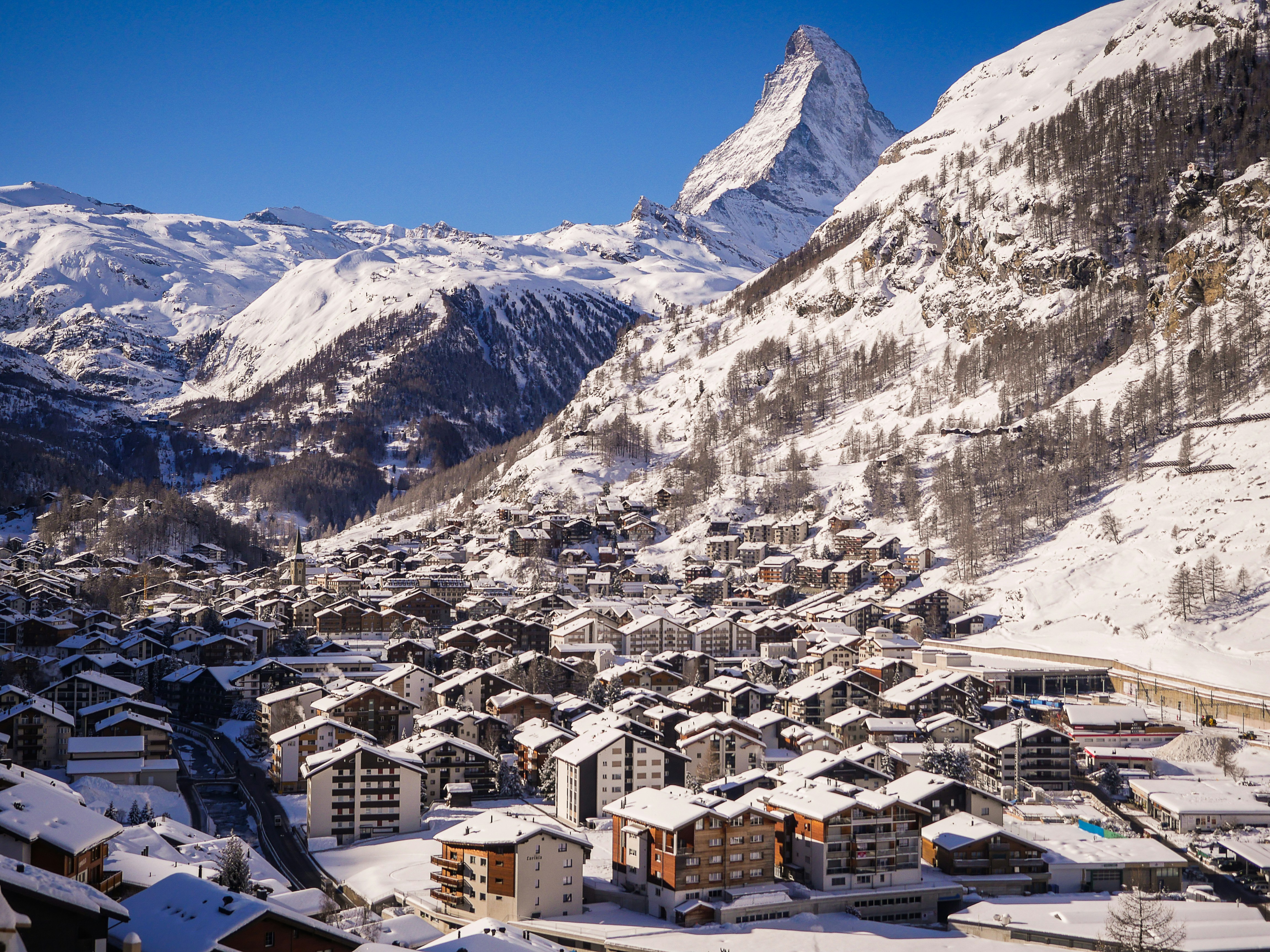
Zermatt – Characterized as a settlement devoid of automotive access nestled adjacent to the Matterhorn, notable for opportunities centered around Alpine exploration undertaken in both the winter periods as a potential location relating to ski skiing alongside similar activities attained predominantly from during the summer times period in regard for outdoor engagements such activities are a feature that has notable prominence
Geneva – Functions primarily as a dynamic cityscape blending attributes centered around lake aesthetics as a geographic characteristic, combined with the prevailing operations performed by varied international organizations that feature together within the surroundings, enriched by the available array which comprises notably in a cultural manner from the varied features on exposure for recognition consideration
Bern – Positioned distinctly as the federal capital maintaining features comprising established roadways integrated into the pathways which are overlaid alongside historic architecture.
Accessing Switzerland
Switzerland benefits from excellent international connectivity for travelers. The two principal international airports are:
Zurich Airport (ZRH) – Strategically located for travel throughout eastern and central Switzerland, encompassing destinations such as Lucerne, Interlaken, and Zurich itself.
Geneva Airport (GVA) – Best suited for travel within western Switzerland, including the Lake Geneva region, Lausanne, and facilitates convenient access to France.
Both airports provide direct transportation links to significant urban centers throughout Europe, North America, and Asia. Upon arrival, Switzerland’s established railway system ensures efficient and pleasant journeys between metropolitan areas and Alpine settlements. The Swiss Travel Pass provides unrestricted utilization of public transport and entry privileges to over 500 museums, representing considerable value for visitors.
Crucial Travel Considerations
Acquire a Swiss Travel Pass to enable unlimited travel via trains, buses, and specific boat services. The pass also extends coverage to mountain railways and museum access.
Prepare for variable weather conditions due to the rapid shifts characteristic of alpine environments, even during summertime. Layering clothing is highly recommended.
English is predominantly spoken, particularly within frequented tourist locations. Nonetheless, possessing familiarity with basic phrases in German, French, or Italian (tailored to the region visited) is regarded as a courtesy.
Utilize a reusable water bottle as potable water accessible in Switzerland is typically secure, clean, and originates from natural springs.
Install the Alertswiss application to receive up-to-the-minute details on prevailing weather conditions, which is particularly pertinent during winter periods.
Switzerland: A Destination Suitable for Travellers
Enhanced Safety and Natural Beauty Switzerland provides a tranquil environment alongside its impressive natural landscapes, including lakes and mountainous villages. Visitors can comfortably engage in activities such as hiking independently or utilizing public transportation during evenings, irrespective of safety concerns.
Practicality and Seamless Experiences The nation boasts remarkably efficient systems. The frequency of train arrivals ensures timely travel, while consistently maintained public spaces contribute significantly to a comfortable experience. Travelling in Switzerland centers on the facilitation of a trip defined by ease and minimised disruptions – allowing travellers to easily absorb attractive destinations without unnecessary complications.
Language and Cultural Considerations Swiss residents are generally respectful and accommodating, often engaging with visitors in English. They tend to display discretion while presenting what is typically considered a valued attribute: a quiet dedication that exemplifies strong local identities and high levels of community support ensuring an experience focussed respectfully.
Switzerland’s popularity is a testament to its ability to provide high aesthetic or visual standards—coupled—with assurance. Targeted to specific travellers– including many for whom a first experience might depend fundamentally from assurance factors –it’s appreciated via experiences built upon a foundation related and defined in a secure way.
8. Hungary
GPI Score: 1.411
Hungary is recognized as a country with robust safety metrics within Central Europe, presented by a favorable Global Peace Index. The nation possesses reduced levels of criminal activity, largely observed in regions outside of major urban centres. In cities like Budapest and busy transport locales, incidents of petty theft, such as pickpocketing, could arise. Diligent vigilance adhering to conventional safety guidelines largely mitigate potential concerns.
Hungary offers reliable transportation infrastructure, evidenced by substantial improvements in maintained roadways, and efficient and financially affordable public transit networks notably centered in Budapest. Further assurances stem from the political calmness enjoyed by the country and minimal risks connected with natural catastrophes.
Local inhabitants possess a character often described as friendly and receptive, generally apparent alongside food service outlets, and established marketplaces that serve numerous tourist engagements. Though, conversational capacities fluctuate when operating outside Budapest’s dominant districts, common services accommodate guests utilising rudimentary local dialogue as a compensatory tool.
Safety Considerations for Solo and Female Travellers in Hungary
Hungary presents itself as a favorable destination for both solitary and female travellers. Metropolitan areas such as Budapest, Szeged, and Debrecen are typically adequately illuminated and considered secure, including during nighttime hours. Reports from visitors frequently indicate a sense of safety when walking independently or utilizing public transportation late at night. Instances of harassment are uncommon, and the overall ambiance is characterized by respectful and tranquil behaviour.
If you plan to visit thermal baths, sample local marketplaces, or admire a Danube river sunset, Hungary provides a generally secure and convenient atmosphere for independent visitors.
Optimal Times for Visiting Hungary
- April through October represent the most favorable periods, specifically May to September, due to agreeable weather conditions and the presence of numerous cultural events.
- The spring and autumn seasons provide consistently moderate temperatures and typically lower visitor numbers, therefore facilitating enhanced opportunities for exploration of Budapest’s attractions and enjoying outdoor pursuits.
- During the summer months, Budapest experiences a heightened atmosphere featuring music festivals, lakeside excursions, and active nightlife.
Key Destinations in Hungary
Budapest – The capital city, divided by the Danube River, is a primary destination renowned for landmarks such as the Parliament Building, Buda Castle, the Chain Bridge, and established thermal bath locations including Széchenyi and Gellért.
Lake Balaton – Central Europe’s largest lake, ideally suited for watersports like swimming and sailing, alongside visits to vineyards and the surrounding countryside.
Eger – This historic Baroque town is notable for its historic castles, thermal spa facilities, and the highly recognized ‘Valley of the Beautiful Women’ wine region.
Debrecen – As Hungary’s second-largest city, Debrecen offers access to cultural activities, several religious sites (churches), and experiences of local Hungarian customs and traditions.
Hortobágy National Park – Designated a UNESCO World Heritage site, this expansive steppe area contains populations of wild horses and provides visibility into traditional forms of pastoral life, characterized by open plains.
Pécs – Positioned in southern Hungary, Pécs showcases a selection of prominent museums and sites of archaeological significance like the early Christian tombs. Additionally, the region maintains certain features reminiscent of Mediterranean climates.
Transportation Options:
The primarily accessible international entry point is Budapest’s Ferenc Liszt International Airport (BUD), servicing numerous route connections from key cities throughout Europe. Transport considerations for travelers include:
Train and Bus Networks: Domestic train and bus services readily provide connectivity across most geographically distanced parts of the country.
Trans-European Infrastructure: International rail and bus services connect Hungary and are readily offered from nearby locations such as Austria, Slovakia, and Romania, offering flexibility amongst travelers’ routes.
Private Transfer Services: Taxis together with ride-sharing providers—such as Bolt–constitute readily and largely accessible support throughout principal urban locations in Hungary.
Important Considerations When Traveling to Hungary
Procure public transportation passes within Budapest to access unlimited travel and associated savings.
Secure thermal bath tickets in advance, particularly during periods of high demand, to avoid extended waiting times.
Maintain sufficient cash on hand, as certain smaller retail establishments or rural merchants may not accept card transactions.
Confirm lodging arrangements promptly, particularly within the vicinity of Lake Balaton and coinciding with anticipated summer event periods.
Exercise vigilance and prudence when interacting with unsolicited offers of assistance from unfamiliar individuals, and express polite refusal as appropriate.
Reasons Why Hungary Presents an Appealing Travel Destination
Safe, Immersive, and Cost-Effective Options Hungary successfully combines a wealth of cultural experiences with dependable safety, including major sites in Budapest and the serene environment of Lake Balaton. Budget-conscious travelers will particularly appreciate its favourable prices, without incurring compromising on the overall quality of their experience.
Genuine Hungarian Hospitality Although English proficiency may not be widespread away from primary tourist areas, Hungarians are widely recognized for their welcoming attitudes and appreciation for their historical cultural contributions. You may encounter acts of kindness, personalised recommendations for authentic local cuisine, plus sincere hospitality from local communities.
A Destination Combining Historical Significance with Modern Amenities Hungary permits an exploration spanning considerable historical periods, encompassing remnants of Roman influence through to establishments that draw on traditional Ottoman bathhouses; without placing unnecessary impediments, travel is greatly enhanced. It may draw attention from a wide cross-section of travellers including; individuals undertaking solo visits, those interested for specialized reasons in historical study including culinary experiences, or travel requiring elements pertaining to wellness and health seeking pursuits – Hungarian offering its considerable asset portfolio, for significant experience benefit from most applicants considering its merits.
9. Finland
GPI Score: 1.439
Finland is repeatedly identified as one of the most secure nations globally, based on assessments involving global peace indices, criminal statistics, and evaluations of natural disaster vulnerability. The rate of overall crime is substantially low, and incidents of minor offenses, such as theft, are uncommon, presenting an attractive location for travelers seeking a secure experience.
Finland’s infrastructure boasts international standards. Road networks are maintained to a high degree of quality, public transit operates effectively, and directional signage is comprehensive, particularly within Helsinki, the capital city. The country benefits from a reliable and accountable governmental structure, relatively low levels of corruption, and a robust legal framework – factors collectively facilitating a sensation of order and safety during travel.
Finns may initially appear cautious; however, they possess characteristic traits of being considerate, collaborative, and respectful, attributes that are tremendously beneficial when encountering unfamiliar environments. The responsiveness and caliber of emergency and healthcare provision are elevated. Regardless of whether a traveler is engaging in outdoor pursuits in Northern Finland or immersing themselves in regional cultural traditions, Finland offers well-organized accessibilities and conveniences for exploration.
Safety Considerations for Solo and Female Travelers in Finland
Several Finnish cities, including Helsinki, are consistently recognized for their safety and ease of navigation, maintaining a secure environment at all hours. The city’s efficient public transport system and demonstrated respect for personal space create a reassuring atmosphere, particularly valuable for individuals traveling alone. Finland is widely considered to be among the safest destinations for solo and female travelers.
When exploring Finland’s natural landscapes — including opportunities to witness the Northern Lights or undertake hiking excursions within the boreal forest — robust safety measures are in place. This includes clearly defined and maintained trails, readily accessible ranger stations and reliable mobile communication networks supporting assistance, even in remote locations with limited accessibility.
Optimal Timing for Visiting Finland
The period between June and August generally offers preferable conditions, characterized by moderate temperatures, extended daylight hours (including the “Midnight Sun” phenomenon in northern regions), and a diverse range of festivals alongside opportunities for outdoor activities and lakeside excursions.
For the observation of the Northern Lights and experiences associated with winter activities, the timeframe between December and March is recommended. This period includes landscapes transformed by ice, potential activities such as dog sledding and visits to reindeer farms, and the availability of accommodations such as glass igloos offering views of the stars.
Shoulder seasons (spring and autumn) provide a typically less crowded setting while maintaining appealing climatic conditions and activities.
Key Destinations in Finland
Helsinki – This coastal capital city offers a harmonious blend of contemporary Nordic design alongside historic elements. Primary attractions encompass Senate Square, the Suomenlinna Fortress, and the vibrant Market Square.
Rovaniemi – Recognized as the official hometown of Santa Claus, this location serves as a convenient entry point to the diverse landscapes of Finnish Lapland. It remains a frequently cited area when aiming to observe the Northern Lights.
Finnish Lapland – This region comprises expansive, untouched, and captivating wilderness areas. Opportunities include traversing snow-covered forests, participating in Arctic wildlife excursions, and experiencing accommodation within glass-domed observatories beneath the Aurora Borealis.
Turku – Historically Finland’s capital, this locale offers visitation to a distinguished castle structure, alongside reflecting aspects of it’s historical Riverside setting
Lakeland – Featuring vast expanse providing Europe’s largest lake region that provide ideal access to options incliding kayaking opportunities, and secluded retreats designed for a disconnect lifestyle from the digital age.
Arrival Procedures
The primary arrival point for your journey will typically be Helsinki-Vantaa Airport (HEL), offering convenient connections to numerous international destinations.
Upon arrival in Helsinki, train services and public buses provide efficient and picturesque transport options throughout Finland. Alternatively, domestic flights are accessible for travel to destinations such as Lapland or northern regions of Finland.
Key Recommendations for Travelers to Finland
Advance reservations are strongly advised, particularly during peak travel periods including summer and winter. Accommodation options in Lapland, along with Northern Lights tour bookings, are subject to limited availability.
Prepare for variable weather conditions. Regardless of the season, travellers should dress in layered clothing to accommodate potential temperature fluctuations. In winter months, comprehensive thermal protection is required.
Utilize reliable aurora forecasting resources. Apps such as Aurora Alert are advisable. Alternatively, reference the most recent Northern Lights forecasts supplied by the Finnish Meteorological Institute for optimal guidance.
Access to potable water is readily available. Gratuities are generally not customary, and almost all businesses accept digital payment methods.
Adhere to local customs regarding noise levels. The Finns appreciate undisturbed areas and quiet neighbourhoods both in remote areas and urban landscapes.
Why Finland is Perfect for Travellers?
Silence, Safety, and Soul-Stirring Scenery
There’s something beautifully grounding about Finland. It’s quiet forests, clean air, and a feeling of personal freedom. It’s a place where you can truly slow down and feel safe while doing so.Kindness Wrapped in Simplicity
While Finns may not be overly chatty, their kindness shows in small but meaningful ways, helping you find your tram stop, sharing local tips, or simply offering space when you need it.A Destination that Holds You Gently
Whether you’re chasing auroras or exploring modern architecture, Finland feels gentle, grounded, and endlessly welcoming, a rare combination that makes it perfect for mindful travel.
10. Denmark
GPI Score: 1.296
Whether you’re looking at crime rates, environmental risks, or overall security, Denmark consistently ranks as one of the safest countries in the world, not just in Europe. Violent crime is extremely rare, and even petty crime like pickpocketing is minimal, especially when compared to larger tourist hubs.
What makes Denmark stand out is its stable political climate, strong democratic values, and transparent governance, which translates into a peaceful, respectful, and law-abiding society. The country’s top-notch infrastructure, from reliable public transport to modern healthcare systems, only adds to the ease and safety of travel.
You’ll find well-lit streets, efficient emergency services, and friendly locals who are usually more than happy to help. This creates a sense of comfort and security, whether you’re exploring urban spaces or venturing into scenic countryside areas.
Safety Considerations for Solo and Female Travellers Visiting Denmark
Denmark is generally considered a safe destination for solo and female travellers. Metropolitan areas such as Copenhagen and Aarhus are characterized by their convenient pedestrian infrastructure, orderly conditions, and a reputation for social openness. Local citizens typically demonstrate an attitude of mutual respect, avoiding intrusive behavior and offering assistance when requested. Travelers can expect to feel secure while undertaking activities like cycling throughout the city, dining alone in public venues, or utilising public transport during the evening hours.
Optimal Timing for Visiting Denmark
The period between May and September presents the most favorable conditions, characterized by moderate temperatures ranging from 15 to 25 degrees Celsius, extended daylight, and ideally suited weather for activities such as urban excursions, island tourism, and ventures into Denmark’s expansive green landscapes and shoreline.
Should you prefer to avoid peak tourist seasons, May and September continue to offer attractive conditions alongside moderate climates and the absence of the intense summer tourist surge.
December offers a distinct ambiance incorporating the traditional qualities of Christmas markets and illuminated settings.
Key Attractions in Denmark
Copenhagen: This city offers notable sights including Tivoli Gardens, The Little Mermaid statue, Nyhavn, and the Christiansborg Palace. Copenhagen is recognized for its Scandinavian design, dining options, and a generally contemporary atmosphere.
Odense: As the birthplace of renowned fairytale author Hans Christian Andersen, Odense provides visitors with historic, literary-themed locations alongside its architectural landmarks.
Aarhus, Denmark’s secondary major city, showcases substantial cultural assets. Notable attractions include the ARoS Art Museum and the Den Gamle By (the Old Town open-air museum), enabling immersive historical experiences.
Bornholm Island: An island escape, offering distinct round churches, dramatic coastal cliff scenery, traditional fishing villages and peaceful seaside environments for exploration.
Roskilde: Primarily recognised for holding the Viking Ship Museum alongside recognition as the site of Roskilde Cathedral, a designated UNESCO World Heritage Site.
Arrival Options
By Air: The primary international arrival point is Copenhagen Airport (CPH), a significant and highly-utilized airport located in Northern Europe. This airport facilitates direct flights originating from key cities across Europe, North America, the Middle East, and Asia. Upon arrival at CPH, regular train and metro connections provide transport to the city centre, requiring approximately 15–20 minutes.
By Train: Denmark benefits from strong connectivity within the European rail network. Passengers can utilize direct train routes originating from locations including Hamburg (Germany), Malmö (Sweden), or Brussels, facilitated by high-speed and regional rail services.
By Bus or Car: International coach services, including FlixBus and Eurolines, are available, serving routes into Denmark from countries such as Germany, Sweden and the Netherlands. The country boasts modern and maintained road networks, with strategically located bridges linking the Danish mainland to both Sweden and other key Danish islands.
Key Considerations for Travel to Denmark
Acquire a Copenhagen Card: This provides complimentary access to public transportation services and reduced rates for numerous attractions and cultural experiences.
Utilize Public Transportation: The Danish public transport network is recognized for its cleanliness, operational punctuality, and safety, particularly during evening hours.
Make Advance Reservations: Given the considerable demand during peak periods, including summer months and the Christmas season, securing flight and accommodation bookings in advance is strongly advised.
Drinking Water Availability: Potable tap water of good quality is readily available across Denmark. Consider bringing a refillable water bottle to minimize plastic waste.
Prepare for Variable Climate: Danish weather patterns present considerable variation and unpredictable shifts; it is prudent to equip yourself with a wind-resistant jacket or outer wear appropriate for conditions.
Why Denmark is Perfect for Travellers?
- Effortlessly Safe and Incredibly Stylish
Some places feel like they’re constantly trying to impress you — flashing their lights, listing their credentials. Denmark isn’t one of them. Its charm lies in its quiet confidence. It’s stylish in that understated Scandinavian way — clean lines, thoughtful design, curated cafés, and yet it never feels pretentious. Safety is built into the everyday here, almost as if it’s second nature. You’ll find yourself wandering late at night through a lantern-lit cobbled street in Copenhagen or cycling alongside locals in Aarhus, feeling completely at ease. It’s not just safe, but it’s effortless. That, in itself, is a luxury while travelling in this country.
- Warmth in the Everyday
It’s easy to assume that Danes are reserved, and in some ways, they are. But give it a moment, and you’ll start to notice the subtle, genuine warmth that runs through their culture. It’s the barista who chats with you about your travels while handing over a perfect cortado. It’s the stranger who stops to help when you’re staring confusedly at a bus schedule. It’s in the quiet nods of solidarity as you stand by the harbour watching the sunset. Hospitality here isn’t grand or loud — it’s grounded, sincere, and wonderfully human.
- A Place to Slow Down and Soak In Life
Denmark doesn’t rush you. It doesn’t crowd you. It simply invites you to be present. Whether you’re pedalling along Copenhagen’s waterfront, sitting by the sea in Bornholm, or curled up in a hygge-filled nook with a hot drink and a good book, there’s a softness to travel here. It’s built into their way of life — this love of simplicity, this celebration of everyday joys.
The Danish philosophy of hygge is more than just candlelight and cosy interiors — it’s a mindset. It’s about creating a space where you can feel safe, feel seen, and feel content. In a world that often demands urgency and constant motion, Denmark offers you the opposite: a gentle invitation to pause, breathe, and reconnect with yourself.
11. Estonia
GPI: 1.5091
One of Europe’s best-kept secrets, Estonia offers a safe, seamless, and soul-refreshing travel experience. Whether you’re wandering through medieval streets or exploring lush national parks, safety is something you never have to second-guess here. With a notably low crime rate and very rare occurrences of violent incidents, even solo and female travellers find peace of mind navigating its cities and countryside.
The capital, Tallinn, is particularly tourist-friendly — historic yet modern, with approachable police, clear signage, and free public Wi-Fi available almost everywhere. Estonia is politically stable, the threat of terrorism is low, and its high-functioning infrastructure ensures easy connections by road, rail, sea, or air. From contactless payments to digital transit passes, Estonia is also one of the most tech-savvy nations in the world, making travel feel intuitive and smooth.
Safety Considerations for Travelers to Estonia
Estonia is generally considered a safe destination for travellers, including those traveling alone or as a woman. The crime rate is notably low, with recorded instances of violent crime being infrequent, even within Tallinn. The urban environment maintains good visibility with sufficient street lighting and the implementation of surveillance systems. Local residents are typically perceived as polite and willing to assist if approached. Public transit options within Estonia are consistently reported as clean, dependable, and suitable for travel during evening or overnight hours. When venturing into outdoor areas, including historic city centers, wooded trails, or coastal villages, individuals can generally feel assured in their capacity to travel independently and with a sense of confidence.
Optimal Times to Visit Estonia
The most favorable periods to explore Estonia are generally within the summer season, spanning from May through August. This period offers comfortable temperatures, extended daylight hours and a plentiful offering of cultural events and activities. Opportunities include enjoying beaches along the coast at locations like Parnu, coupled with excursions into Estonia’s expansive forests, often taking advantage of prolonged daylight in the Midnight Sun region.
Alternatively, visitors interested in experiencing autumn scenery and reduced tourist numbers may consider travelling during September. During Winter, the historic Tallinn city becomes characterized by seasonal snow, with distinctive attributes associated particularly to the period of celebration around the Christmas holiday – incorporating both traditional markets and historic periods as an integral experience associated primarily with areas known in historic and medieval periods.
Key Tourist Destinations within Estonia
Tallinn – Tallinn represents a significant cultural and historical attraction within Estonia. The Old Town, recognised by UNESCO, presents a network of historic roads laid with stones, prominent towers and houses reminiscent of fairytale settings. Notable landmarks include Toompea Castle, the Alexander Nevsky Cathedral, and vantage points along Kohtuotsa platform providing extensive views of the city.
Lahemaa National Park – Located approximately one hour from Tallinn, this encompasses substantial, preserved woodland, attractive coastlines and several historical estates. It’s suited for activities such as hiking, wildlife observation through birdwatching, while also enjoying Estonia’s distinctive natural landscapes.
Tartu – Designated as Estonia’s oldest urban centre, Tartu also operates as a focal point for higher education which includes the country’s initial university. Attractions encompass the Estonian National Museum, and engagement with Tartu’s student populated areas.
Parnu – Often recognised as Estonia’s leading summer location (de facto), Parnu is designated by clean beaches, colour coordinated architectural buildings which reflect historic construction, along which a relax atmosphere is prominent.
Saaremaa – As Estonia’s largest island, Saaremaa provides substantial opportunities for the visit with prevailing features containing many traditional windmills also incorporating medieval place of worship with expansive seaside terrain where solitude and peaceful respite.
Accessing Tallinn
By Air: Tallinn Airport (TLL) serves as Estonia’s principal international airport, providing connections to key European destinations such as Helsinki, Stockholm, Frankfurt, London, and Riga. The airport is approximately 4 kilometers from Tallinn’s city center and is well-served by tram and taxi services.
By Ferry: Regular ferry services connect Tallinn and Helsinki, enabling convenient travel between the two nations. Ferry routes are also available from Stockholm, Sweden.
By Bus or Train: International bus services originating from Latvia, Lithuania, and Russia offer cost-effective and comfortable travel options. Lux Express is a prevalent choice for routes departing from Riga or Vilnius. Railway connections via the Baltic region are available, however, bus transport is typically more frequently scheduled and pragmatic.
Important Considerations When Traveling to Estonia
Embrace Digital Solutions: Estonia’s prominence in digital innovation means virtually all transactions are processed digitally; cashless payments are prevalent and free public Wi-Fi networks are accessible throughout the country.
Utilize Electronic Tickets: The city’s tram and bus services are known for their punctuality and efficiency. Purchase tickets in advance via online platforms or mobile applications to secure discounts.
Plan Ahead During High Season: Travellers should note that July and August consistently experience elevated occupancy rates within Tallinn and Pärnu. Advance booking of accommodations and ferry transport is advised.
Potable Tap Water Availability: Tallinn’s tap water is confirmed to be safe for consumption, encouraging the use of reusable water bottles.
Prepare for Variable Temperatures: Despite the summer months, evening temperatures may decrease; layering of clothing is suggested, along with bringing a lightweight raincoat when visiting natural areas or the islands.
Why Estonia is Perfect for Travellers?
- Quietly Magical and Wonderfully Modern
Estonia is like that book you pick up not expecting much, only to be completely enchanted. It doesn’t shout for your attention; it wins you over with quiet charm and effortless ease. Here, digital convenience meets ancient beauty. One minute you’re using free public Wi-Fi in a sleek café, the next you’re gazing at a medieval tower under the pinkish northern sky. There’s magic in the mix of old and new, making for the kind of travel that feels both grounded and inspiring.
- A Place Where You Can Just Be
Estonians may seem reserved at first, but there’s genuine warmth behind their calm exteriors. Ask for directions, and you’ll likely receive not just help but a small story along the way. There’s no pushiness here, just a quiet respect for your space and your journey, which solo travellers in particular deeply appreciate.
- Nature is Never Far Away
One of the most beautiful things about Estonia is how quickly you can escape into nature. In less than an hour from Tallinn, you could be hiking through pine forests, kayaking on a calm river, or walking along an empty beach. There’s a stillness here that invites you to pause, breathe, and just listen. In a fast-paced world, Estonia offers the rare gift of calm.
- A Country that Lets You Travel at Your Own Rhythm
Estonia isn’t about racing through sights or chasing Instagram moments. It’s about strolling through cobbled lanes with a pastry in hand, spending hours in a seaside town with no agenda, and travelling with intention. It invites you to slow down and discover the joy in simplicity, in solitude, and subtle, unforgettable beauty.
12. Sweden
GPI: 1.782
Sweden is recognized globally for its high levels of safety, representing a consistently secure environment for residents and visitors. Several factors contribute to this reputation, including a substantially reduced crime incidence, a dependable legal framework, superior healthcare services, and effective emergency response systems. Experiences range from the calm atmosphere of Stockholm to the extensive natural landscapes of Lapland, where stability and security are consistently prioritised.
Despite the prevailing Nordic climate characterized by long winters, Sweden’s inclusive culture, paired with its firm dedication to fostering equality, provide a positive counterpoint. Considering whether you intend to traverse this nation independently or you are formulating plans for an exploration the Scandinavian region; Sweden encompasses a delicate equilibrium between peace of mind and intriguing opportunities in contrast to sustained social policies relating in environmental awareness.
Safety Considerations for Solo and Female Travellers in Sweden
Sweden consistently ranks as a preferred destination for independent travelers and women traveling alone, attributed to its notably reduced incidence of violent crime and demonstrated commitment to gender equality and socially progressive behavior. Reported incidents of harassment are uncommon; however, it’s advisable to be aware of surroundings in crowded areas, particularly during evening hours. Major urban centers, including Stockholm, Gothenburg, and Malmö, are characterized by well-maintained public spaces, extensive public transportation networks, and an environment of mutual appreciation that enhances feelings of security and facilitates unaccompanied exploration.
Visitors can typically expect to experience a high degree of autonomy and enjoyment while engaging in activities such as exploring urban environments, and leisurely commutes, underpinned by public recognition, and an attentive awareness of personal safety concerns.
Optimal Times for a Trip to Sweden
May through September represents the most favorable period to witness Sweden during its warmest and verdant seasons. The extended daylight hours, moderate temperatures, and the phenomenon of the Midnight Sun, prevalent in the northern regions, render summer particularly suitable for activities such as hiking, water activities on lakes, and exploration of Stockholm’s archipelago.
For those who favor colder climates, a visit between December and March provides opportunities to observe landscapes adorned with snow, experience Christmas markets, and potentially view the Northern Lights in regions like Swedish Lapland.
Considering the off-season? Travel during late September to early October to observe autumnal foliage, or select April, as this period marks the commencement of springtime blooms.
Key Destinations within Sweden
Stockholm – As the nation’s capital, Stockholm encompasses fourteen islands, combining the historical appeal of its Old Town district with contemporary architectural designs. Prospective visitors should explore the Vasa Museum, the historic Gamla Stan area, and consider taking a cruise through the archipelago to experience a blend of urban exploration and natural landscapes.
Gothenburg – Located along Sweden’s western coastline, Gothenburg is celebrated for its significant seafood industry, network of canals, independent art scene, and pleasant, inviting atmosphere. Popular attractions include the Haga district, offering numerous cosy cafés, and Liseberg amusement park suited for family entertainment.
Swedish Lapland – Represents a favoured destination for tourism focusing on encounters with landscapes appropriate for nature enthusiasts or expeditions relating to the Arctic environment. Visitors can plan trips based on recreational pastimes afforded in winter, including dog sledding expeditions as well as explorations for observing the Northern Lights and, specifically, a dwelling constructed purely of Ice located in Jukkasjärvi (the “Icehotel”).
Gotland – Classified as an island situated within the Baltic Sea during times of early medieval history, exhibits characteristics associated with established cobbled roadways during this period, features significant ruins associated with the Viking period, provides wild, accessible sandy beach fronts. Specifically the fortified municipality, “Visby,” qualifies as a location that merits recognition as UNESCO recognized – ‘World Heritage Site.’
Malmö – Positioned within the southern expanse of Sweden, presents characteristics befitting an urban locale that accommodates diverse societies and cultural backgrounds. Connected directly with another country with – Copenhagen— via the Öresund Bridge while acknowledging regional awareness for themes pertaining notably related and connected to this sustainable ecological approach as acknowledged within related ecological or ecologically sound activities as recognized with prominent characteristics that relate with, influence and shape associated, sustainable lifestyle and local environment.
Travel Options to Sweden
By Air: Sweden’s primary international airport is Stockholm Arlanda (ARN), servicing direct flights from significant locations across Europe, North America, and Asia. Additionally, Gothenburg Landvetter (GOT) and Malmö Airport (MMX) handle international traffic.
Ground Transportation: The Arlanda Express train provides a transit time of approximately 20 minutes to central Stockholm. Airport shuttle services and taxis are further options, although taxi fares may vary significantly; utilization of formally licensed, fixed-rate taxi services is advised.
By Train or Bus: Sweden enjoys strong rail and bus connectivity within Europe, with routes originating from locations including Copenhagen, Oslo, and Berlin. Long-distance bus services such as FlixBus and Vy generally prove to be economical alternatives.
By Ferry: Ferry services provide access to destinations within Finland, Estonia, Latvia, and Germany, affording the opportunity for combination travel encompassing regions of the Nordic countries and the Baltic area.
Navigating Sweden
Public Transport: Sweden’s public transportation infrastructure is generally effective, maintaining high standards of cleanliness and safety across major cities. Users can utilize SL cards for transportation within Stockholm and leverage region-specific mobile applications in other areas.
Train and Bus Services: SJ (Swedish Railways) maintains a modern and punctual train network throughout the country. Bus services supplement connections to more remote communities and are generally comfortable and dependable.
Driving: The road network in Sweden is well-maintained, facilitating effortless travel, particularly along the principal artery, the E4 highway, and for excursions into the northern wilderness regions. During winter months, travelers should be prepared to operate within conditions characterized by snow.
Cycling: Many Swedish cities have implemented cycling infrastructure, including designated lanes, and offer bicycle rental options through various local applications and schemes.
Important Considerations for Travel to Sweden
Incorporate ‘fika’ into your itinerary – The Swedish tradition of enjoying coffee and pastries together provides an opportunity to relax and socialize.
Municipal water is of excellent quality – It is unnecessary to purchase bottled water.
Pack adaptable clothing – Weather conditions in Sweden, particularly in coastal regions, can fluctuate significantly.
Utilize contactless payment methods – Sweden predominantly operates on a cashless system; credit cards or services such as Swish are standard practice.
Schedule travel to align with public holidays – Consider planning excursions during Midsummer (late June), as businesses and cities may experience reduced activity during this time.
Why Sweden is Perfect for Travellers?
- Modern, Mindful, and Inherently Safe
There’s a calming confidence to Sweden. It’s a country that doesn’t feel the need to sell itself—it just quietly offers one of the most balanced travel experiences you can find. From smooth logistics to stunning nature, everything seems designed to help you breathe easier, move freely, and live in the moment. And that’s a rare, underrated luxury.
- A Culture of Respect and Personal Space
Swedes value personal freedom and privacy, which translates beautifully for solo travellers. No one stares, no one bothers you—and when you do engage, you’re met with sincerity, curiosity, and kindness. Whether it’s asking for directions or chatting with a shopkeeper, interactions feel effortless and respectful.
- Where Nature and Wellbeing Go Hand in Hand
In Sweden, nature isn’t a tourist attraction—it’s a way of life. The country is crisscrossed with well-marked trails, national parks, and protected forests. Thanks to the Right of Public Access (Allemansrätten), you’re free to hike, camp, or roam almost anywhere, so long as you respect the land. It invites you to slow down, disconnect, and reconnect with the world around you.
- Safe Doesn’t Mean Boring
You can go kayaking in the Stockholm archipelago, chase the Northern Lights in Lapland, ski in Åre, or road trip through thick pine forests—all without sacrificing your peace of mind. Sweden proves that adventure and serenity are not opposites, but perfect companions.
13. Slovakia
GPI: 1.634
Located in Central Europe, Slovakia presents a tranquil and secure travel destination. The country boasts beautiful cities, villages, and national parks, reflecting a consistently high level of safety and cleanliness. Slovakia offers a distinctive travel experience centered around its heritage and natural landscapes.
Visitors typically experience well-preserved medieval castles and historic town centers. Significant attractions include picturesque mountain trails within the High Tatras, without the pressures or crowds found in more densely populated travel destinations. These combine to foster a consistent and comforting atmosphere for tourists and visitors.
Is Slovakia Safe for Solo and Female Travellers?
Slovakia is considered one of the safest places and one of the cheapest in Central Europe, and that applies to solo and female travellers too. Cities like Bratislava, Košice, and Banská Štiavnica have low violent crime rates, and locals are generally polite and helpful if you need assistance.
Public transport is safe and reliable. While petty theft can occasionally happen in tourist-heavy areas, simple precautions, such as keeping your bag zipped and avoiding flashy displays of valuables, are usually enough. Walking alone at night in well-lit areas is typically safe, and even remote hiking regions are known more for their beauty than for any safety concerns.
Optimal Times for Visited Slovakia
May through September typically represent the most desirable period for a visit, characterized by extended daylight hours, moderate temperatures, and a notable array of cultural events. This timeframe suits engaging in activities such as hiking within the High Tatras mountain range, exploring Slovakia’s considerable historical castles, or enjoying facilities within natural thermal spas.
Conversely, from December to March, Slovakia shifts its appeal toward winter sports tourism, predominantly within established ski destinations such as Jasná and Tatranská Lomnica. The prevailing conditions of snow-covered terrain in scenic alpine towns often appeal especially to those seeking snow recreation activities.
Key Destinations within Slovakia
Bratislava – Located in the country’s west, Bratislava presents as a manageable and attractive city, providing numerous opportunities for tourism. Notable sites include Bratislava Castle, which offers expansive views of the Danube River, and the historical Old Town area with an active coffee shop culture.
High Tatras – A centerpiece of Slovakian tourism, the High Tatras mountain range supplies residents and visitors with activities comprising recreational hiking, winter skiing, and exceptional high-altitude vistas, along with sheltered mountain residences, located beside arctic lakes.
Spiš Castle – Representing the ruins of the greatest castle structure in Europe currently standing, its designation as a UNESCO World Heritage Site, the ancient fortress in addition features considerable value to historical interpreters that also draw viewers who practice photography art.
Banská Štiavnica – The town, found largely unchanged since medieval timelines includes unique collection of museums and distinct Baroque aesthetic throughout. Locals retain their long-held traditions, maintaining connection to ancestral narratives.
Slovak Paradise National Park – For travelers choosing to experience more adventurous landscapes, Slovak Paradise will supply scenic features of pathways built from elevation changes and waterfalls offering unique walking trails, making visitors perceive itself as if journey is within a fantastical setting.
Transportation Options
Via Air:
The primary international airport is Bratislava Airport (BTS), servicing flights originating from key locations across Europe.
Additionally, Vienna International Airport (VIE), situated approximately one hour away via bus or train, provides an alternative with increased flight availability.
Transferring from the Airport to the City Centre:
Travel from Bratislava Airport to the city center by local transport (buses or taxis), a journey typically taking around 20 minutes.
From Vienna Airport, consistent shuttle bus and train services directly connect to Bratislava, offering a coordinated and cost-effective transit experience.
Train and Bus Travel:
Slovakia boasts comprehensive connectivity through both train and long-distance bus networks targeting destinations including Austria, Hungary, Poland, and the Czech Republic. RegioJet and FlixBus manage reputable and comfortable service routes.
Local Transportation within Slovakia
Public Transit:
Locations such as Bratislava and Košice encompass established tram, bus, and trolleybus infrastructures. These systems emphasize reliability, affordability, and intuitive navigation using locally produced transport applications.Train and Intercity Bus Services:
The Slovak Railways (ZSSK) operation manages national connections to significant towns and widely recognized travel landscapes. Rail travel represents particularly safe and picturesque routes, such as through mountainous terrain.Car Rental:
For exploration ventures demanding mobility or varied travel plans, automotive rental services provide a valuable selection. Roadworks maintain consistent standard quality, especially where travel avoids densely populated urban environments.
Important Considerations for Travel to Slovakia
Pack adaptable clothing – Mountain areas, such as the Tatras, may experience cool temperatures regardless of the season, necessitating a versatile, lightweight jacket.
Exercise vigilance in populated areas – Although incidents are infrequent, petty theft, including pickpocketing, can occur in high-traffic locations, notably train stations and popular tourist zones.
Adhere to park regulations – Visitors to Slovakia’s national parks are required to remain on designated paths and refrain from providing food to wild animals.
Utilize regional mobility applications – Applications such as IDS BK (specific to Bratislava) are valuable for accessing real-time public transport data.
Learn basic Slovak vocabulary – Although English is commonly spoken in cities, expressing gratitude with “ďakujem” is strongly appreciated by local residents.
Why Slovakia is Perfect for Travellers?
- Safe, Scenic, and Surprisingly Underrated
Slovakia may not shout for attention, but that’s exactly what makes it so special. It offers raw beauty, rich history, and peaceful surroundings, without the chaos of over-tourism. You’ll feel like you’ve discovered something truly authentic—because you have.
- A Place Where Time Slows Down
Whether you’re enjoying a hearty Slovak meal in a mountain cottage, taking in a castle sunrise, or soaking in a thermal spa, Slovakia encourages you to slow down and savour the moment. It’s a place that values tradition, simplicity, and connection to nature—a rare antidote to fast-paced modern life.
- Geographically Calm, Culturally Rich
With no major natural disasters to worry about—no earthquakes, no hurricanes—Slovakia is a place where you can focus on exploration, not caution. Add to that the safety of its cities and its friendly, grounded people, and you’ve got a destination that feels as secure as it is soul-stirring.
If you’re seeking a European destination where safety meets storybook scenery, Slovakia belongs on your radar. It’s easy-going, welcoming, and full of secret spots waiting to be uncovered.
The above-mentioned European countries all stand out as the safest destinations for travellers in Europe. Whether you plan to witness the Northern Lights from Iceland, hike through the Swiss Alps, wander the fairytale streets of Prague in Czechia, explore the historic castles of Slovakia, or cruise along Denmark’s picturesque canals, these countries offer not only unforgettable experiences but also peace of mind.
At the heart of every great journey lies not just the thrill of discovery but the quiet assurance of safety. These destinations prove that you don’t have to choose between adventure and peace - you can have both. From serene snow-capped peaks to vibrant, yet still human-scaled cities, each of these countries offers more than just postcard moments; they offer a sense of belonging, ease, and calm.
And perhaps that’s the true luxury of travel today, feeling free to explore with curiosity, without fear. So, whether you’re travelling solo, with a partner, or bringing along your little tribe, let this list be your compass, guiding you toward places where safety isn’t just a statistic, but a way of life.
Here’s to wandering wisely, and to finding beauty not just in the places we go, but in how they make us feel when we’re there.
Are these safe countries also ideal for expats and digital nomads?
Absolutely. Several nations across Europe recognized for their safety, including Austria, Portugal, and Ireland, provide a superior standard of living. This encompasses accessible healthcare systems and robust digital networks. Alongside tolerant communities and convenient access to both natural landscapes and cultural attractions, these characteristics establish favorable environments for individuals engaged in remote work or considering extended stays as residents.
Are pickpocketing and petty theft common in Europe?
The risk of petty crime, such as pickpocketing, exists in popular tourist destinations and densely populated locations within Europe. Despite this, preventative actions can significantly reduce the potential for these incidents. Individuals are advised to safeguard their possessions through the use of anti-theft bags and to maintain heightened awareness while in crowded public areas. Maintaining vigilance and employing security measures associated with personal belongings provides effective defense against theft.
Is public transportation safe in these European countries?
Public transport is generally considered safe and reliable within these destinations. Bus, rail, and underground systems are typically well-maintained and subject to surveillance.
How can I stay updated on travel safety alerts during my trip?
To ensure your safety abroad, it is advisable to download destination-specific security applications, such as Alertswiss for Switzerland and SafeTravel for Iceland. Continuously monitor updates issued by your country’s embassy and review local news reports for relevant information. Participation in a travel advisory program provided by your government represents another avenue for receiving notifications regarding potential risks.
Do these safe countries offer good public services like healthcare and education?
In most cases, yes. Countries with high safety rankings often invest heavily in public welfare, offering residents access to reliable healthcare, quality education, and social support systems. These are key reasons why they’re consistently ranked among the world’s most liveable destinations.
Is living in a safe European country affordable?
It depends on where you go. While countries like Switzerland and Norway come with a higher cost of living, others like Slovenia, Portugal, and the Czech Republic offer a great balance of safety and affordability—especially appealing for expats, retirees, or slow travellers looking to stay a while.