
When people think of Europe, they often picture the Schengen Zone — 29 countries where you can move freely once you have a Schengen visa. But beyond that invisible border lies another side of the continent — a mix of countries that are not part of the Schengen Agreement, yet just as rich in culture, history, and landscapes.
This updated and verified guide breaks down the list of non-Schengen European countries worth visiting in 2025, including their visa and entry requirements, best time to visit, and average travel costs.
Quick Summary
Here’s a list of the non-Schengen countries and microstates in Europe, which means they do not adhere to the border control policies of the Schengen Area. These countries maintain their own visa and immigration rules, separate from the 29 countries that make up the Schengen Zone.
Western and Northern Europe
United Kingdom
Ireland
Greenland
Faroe Islands
Southern Europe and Microstates
Andorra
Monaco
San Marino
Vatican City
Eastern Europe and the Balkans
Albania
Bosnia and Herzegovina
Montenegro
North Macedonia
Serbia
Kosovo
Moldova
Ukraine
Belarus
South-Eastern Europe
Turkey (often grouped separately, but the European part applies)
Cyprus
From the rugged mountains of Albania to the cobblestoned streets of Edinburgh, these non-Schengen European countries offer travellers an equally captivating slice of Europe, often with simpler visa processes and fewer crowds. For example, countries such as Turkey, Serbia, and the UK continue to attract millions of visitors each year. In fact, Turkey welcomed over 55 million visitors in 2023, becoming one of the world’s top 5 most-visited destinations, while the UK recorded more than 38 million international arrivals, according to UN Tourism data.
Non-Schengen European Countries: A Detailed List
United Kingdom
(England, Scotland, Wales, Northern Ireland)
A land where history meets modernity, the UK is filled with iconic landmarks, scenic countryside, and vibrant cities. From the bustling streets of London to the rolling hills of Scotland and the charming villages of Wales and Northern Ireland, the UK offers experiences that cater to every type of traveller.
Visa and Entry Requirements Generally, travelers require a visa, contingent upon their nationality and the nature of their visit. The Standard Visitor Visa is appropriate for purposes such as tourism, brief business engagements, or visits to family and friends residing in the United Kingdom. Applications for this visa must be filed through the UK Visas and Immigration (UKVI) portal, necessitating the provision of biometric data and the submission of required supporting documentation. This typically includes evidence of sufficient financial resources, confirmed lodging details, and documentary proof of intended return travel arrangements.
For a comprehensive overview, consult the UK visa checklist. Alternatively, you may apply for a UK visa via the VisaFast platform.
Optimal Timing for Visits The months of May to September typically offer pleasant weather, a vibrant display of blooming parks, and an array of energetic festivals. Furthermore, April and October are recognised as opportune periods characterised by reduced visitor numbers and, consequently, potentially advantageous pricing for accommodations and airfare.
Estimated Financial Considerations Expenses within the United Kingdom, notably in London and the southern regions, can be substantial due to costs associated with accommodations, meals, and transportation. Prospective travelers should anticipate spending approximately £120 to £200 daily in metropolitan London, contingent upon spending preferences; meanwhile, costs are projected to average between £80 and £120 per day for travel across the rest of England, Wales, and Scotland. Regions of Northern England, Wales and the majority of Scotland generally present more budget-friendly options, affording mid-range accommodations, traditional public establishments, and widespread access to public transit.
Ireland
Ireland possesses notable geographic features including extensive green areas, charming settlements, and significant coastal landscapes. The country showcases attractions such as scenic routes, historic fortresses, and a dynamic cultural environment. Regions like Dublin’s active areas, and significant landmarks— including the dramatic Cliffs of Moher and the peaceful area of Killarney— present combinations of landscapes and established heritage destinations suitable for diverse traveller preferences.
- Entry Requirements Generally, a visa is required for travellers to enter Ireland. Short-term visas are available for application through the Irish Embassy, Consulate offices, or online visa services.
Individuals may also apply for an Irish visa through Irish visa application service VisaFast.
Important Information: Indian and Chinese nationals may qualify for the British–Irish Visa Scheme (BIVS). This scheme permits a single visa for travel to both the United Kingdom and Ireland, streamlining trans-Atlantic journeys. However, passport eligibility and specific visa regulations are crucial factors, necessitating verification before travel arrangements are finalized.
Optimal Travel Months
Months spanning May through September generally provide the most agreeable weather conditions and extended periods of daylight. Late spring offers opportunities to experience blossoming flora, and autumn presents a favorable period with reduced visitor numbers and potentially lower accommodation costs.Estimated Costs
Ireland’s expenses can vary from moderate to significant. Dublin tends to be the most costly location, where daily expenditures typically range between €130 and €180 for travelers selecting mid-range accommodation, encompassing lodging, meals, and local transportation.Conversely, inland areas throughout the western coastline, specifically covering regions such as Galway, Clare, and Kerry, represent more economical options, with anticipated traveler expenditures for a daily basis estimated at approximately €90 to €130. Particular savings may be realized when opting for accommodation within family-run bed and breakfasts or guesthouses.
Greenland
Greenland offers a truly remote and pristine travel experience, with towering glaciers, dramatic fjords, and abundant Arctic wildlife. Adventurers can explore icy landscapes, witness the northern lights, and immerse themselves in the unique culture of the Inuit communities, making it a destination like no other.
Visa and Entry Requirements
Individuals intending to travel to Greenland generally require a Schengen visa, due to Greenland’s association with the Kingdom of Denmark. Visa applications must be submitted through Danish diplomatic missions or consulates. Applicants are advised to carefully examine the current stipulations, anticipated processing timelines, and applicable fees prior to initiating their application process.Best Time to Visit
June to August is ideal, with milder temperatures, long daylight hours, and accessible fjords. Winter (December–March) is ideal for viewing the Northern Lights and engaging in winter activities, although travel conditions can be more challenging.Financial Considerations
Greenland presents significant financial challenges, driven by its geographically isolated location which impacts the cost of lodging, sustenance, and transportation. Applicants should allocate additional funds to cover the expense of guided excursions, air travel, and localized engagements.
Planning Recommendation: Air travel to Greenland frequently involves connecting flights via Denmark or Iceland; meticulous logistical planning is essential. Greenland’s optimal travel period for outdoor recreational pursuits is during the summer months; alternatively, winter offers specialized Arctic activities, such as dog sledding and Northern Lights observations.
Faroe Islands
The Faroe Islands constitute an archipelago situated within the North Atlantic Ocean. Characterized by dramatically steep cliffs, significant populations of seabirds, and well-preserved traditional villages, the islands present a geographical landscape defined by rugged terrain, multiple waterfalls, and extensive coastal pathways. These features establish them as distinctive destinations, broadly appealing to individuals seeking exploration of naturally unspoiled environments and engagements suitable for adventurous travelers.
Entry Requirements
A visa is typically required for travel to the Faroe Islands, and applications are processed through Danish diplomatic missions, such as embassies or consulates. Alternatively, you may apply for your Faroe Islands visa directly through the VisaFast platform: Faroe Islands’ visa through VisaFast.Optimal Timing for Visits Travel between May and September to experience more moderate temperatures, extended daylight periods, and convenient access to recreational areas such as hiking trails and coastal regions. During this period, summer months are characterised by numerous festivals and local events.
Financial Considerations
The Faroe Islands represent a considerable expense, especially concerning lodging and dining. Utilizing guesthouses or independent living arrangements can significantly contribute to budget management.
Recommendation: Air travel typically involves connections through Denmark or Iceland; advance planning of transportation is advised. The period between summer and winter presents distinctive benefits: summer is favorable for outdoor activities, while winter affords opportunities to observe prevalent weather conditions, including the Northern Lights, and experiences fewer visitors.
Andorra
Andorra, situated in the Pyrenees Mountains on the border of Spain and France, presents opportunities for tourism encompassing winter sports and outdoor recreation. The destination offers access to ski resorts and mountainous terrain, alongside charming settlements. Andorra has a climate conducive to active lifestyles and sightseeing, often attracting visitors seeking both sporting and leisure activities.
- Visa and Entry Requirements
Citizens of the European Union (EU): Presentation of a valid EU national ID card or passport satisfies entry requirements.
Non-EU/Schengen Area Citizens (such as U.S., Canada, and other individuals not needing a Schengen visa): A valid passport is mandatory for entry.
Non-EU Citizens Requiring a Schengen Visa (for example, Indian nationals) necessitate possession of a valid passport along with a duly issued double-entry or multiple-entry Schengen visa for transit through France or Spain, ultimately facilitating entry into Andorra.
You may apply for an Andorra visa via VisaFast.
Ideal Visiting Windows
Travel between December and March to experience skiing and winter recreational activities. Alternatively, June through September presents optimal conditions for hiking, cycling, and exploring the region’s mountainous landscapes.Financial Considerations
Andorra presents a generally cost-effective travel option. Expenses associated with lodging and dining are typically lower than those found in neighboring ski destinations within France or Switzerland, although prices tend to increase during peak winter months focused on skiing. Prospective travellers can anticipate spending approximately €100–€150 daily for accommodations, meals, and transport utilizing local services. Transport to Andorra most commonly involves travel via Barcelona, Spain, or Toulouse, France. Bus fares from either city typically range from €35 to €50, with the journey taking approximately 3 to 4 hours.
Monaco
Monaco is a small principality located on the French Riviera, renowned for its upscale amenities, including prominent casinos, and picturesque coastal setting. The territory provides residents and visitors with access to internationally recognized attractions such as the Monte Carlo Casino and enjoys direct access to the Mediterranean Sea, alongside preservation of the historic Monaco-Ville area.
Visa & Entry Monaco’s non-participation in the Schengen Zone is a key factor. Monaco maintains an open-border agreement with France. Consequently, travelers entering Monaco must adhere to French (Schengen) visa regulations. Individuals holding a valid Schengen visa are permitted to access Monaco for short stays (up to 90 days days). Specifically for Indian citizens, this requires obtaining a France Schengen visa to facilitate entry into Monaco.
Optimal Travel Window The period between April and October is generally recommended for visiting Monaco, characterized by favorable weather conditions and a diverse range of events. Specifically, May witnesses considerable interest, largely driven by the Monaco Grand Prix, a globally recognized Formula 1 competition.
July and August typically feature the peak of the Riviera summer season, however, these months are subject to increased costs and higher visitor numbers. Alternative periods, such as April, June, or September, offer conditions conducive to more subdued tourism activities and moderate temperatures.
Estimated Costs Monaco is known for its high-end offerings, consequently, costs for travel are generally elevated. Prospective visitors can anticipate daily expenses ranging from approximately €200 to €350 per person, subject to individual preferences and spending habits. Notably, lodging and restaurant expenditures contribute significantly to the overall expense. Economical travelers may consider staying in adjacent municipalities such as Nice or Menton, accessible via train (approximately 20-30 minutes), and utilizing local public transportation, which effectively serves many of Monaco’s attractions whilst offering efficient movement throughout the location.<
San Marino
San Marino, located on the slopes of Mount Titano in southern Europe, represents one of the world’s oldest republics. Characterized by its medieval architecture – including prominent towers and historic cobblestone streets – and providing unparalleled vistas of the Italian countryside, this landlocked nation offers a tranquil experience rooted in rich historical context. The visa requirements for entry are governed by Italian immigration laws and depend on the applicant’s nationality and intended purpose of visit.
Visa and Entry Requirements San Marino does not participate in the Schengen Area; however, it maintains an open-border policy with Italy. Individuals intending to enter San Marino must do so via Italy. Therefore, Indian citizens seeking to visit San Marino are obligated to obtain an Italy Schengen visa. This visa is necessary for entry and allows for subsequent travel to San Marino as part of the permitted visa holder’s itinerary due to the Italian transit arrangement with Schengen Zone regulations.
Optimal Visiting Period
The most favorable time to visit San Marino is between May and September, characterized by pleasant temperatures, unobstructed skies, and a vibrancy of life thanks to numerous festivals enriching the nation’s historical districts. Notably, July and August typically experience peak visitation, particularly fueled by prevalent cultural events and open-air performances. To experience more temperate conditions and reduced visitor numbers, considering travel during April, late September, or early October offers a significantly more leisurely exploration experience.Estimated Costs
San Marino presents a moderately priced travel experience relative to Western Europe, although costs are generally higher than those in neighboring Italian towns. Travelers can anticipate expenditures approximately ranging from €100 to €150 daily, covering accommodation, meals, and local transportation.Consider lodging in Rimini (approximately 25 kilometers away) for more affordable travel arrangements. Frequent bus services offer convenient access for potential day excursions, and sampling cuisine at traditional trattorias alongside pedestrian exploration constitute economical ways to experience the destination while minimizing expenses.
Vatican City
The world’s smallest independent state, Vatican City, represents the spiritual center of Roman Catholicism and houses some of the most significant art and architectural achievements. Its collection includes Michelangelo’s frescoes within the Sistine Chapel and the impressive St. Peter’s Basilica, illustrating centuries of historical importance, religious significance, and artistic excellence.
Entry Requirements
Vatican City is not part of the Schengen Zone; however, it shares an open border with Italy. Consequently, individuals entering Vatican City through Rome require a valid Schengen visa (Italy) for entry into Italy. Once inside Italy, no separate visa or border control is needed for visits to Vatican City. Indian citizens should apply for an Italy Schengen visa for tourism or religious pilgrimages, specifying this intention clearly. Travelers should always carry valid identification and travel documentation, especially during return journeys from Vatican City to other areas of Rome.Optimal Visit Times
The preferred time for visiting Vatican City is typically from April to October, when Rome experiences favorable temperatures ideal for exploring. Options including April, May, September and October can accommodate pleasant climates alongside lower visitor densities, distinct from the summer season. Easter occasions present an especially revered event due to large gatherings in St. Peter’s Square dedicated to the Pope’s prayer offering event. For generally quieter visits, particularly focused museum exploration like to the Vatican Museums and visiting areas with particular art, visiting as very early in the days are recommended during travel from November and in February.Financial Considerations
Vatican City has no establishments where lodging or eating facilities exist; therefore, visitors primarily accommodate stays into near Rome and access eateries within this region. Visitors may account travel expense approximately 120–200 euros daily this level to reach desired expense values; entrance ticket is from approximately €20 this cost. Acquiring museum reservation tickets, in particular on line and doing so before you make arrival is advisable to sidestep peak line queues that might occur this means that visitor should have a backup ticket to hand for when queue form.<
Albania
Located between the Adriatic and Ionian Seas, Albania provides travelers with a distinctive experience in Europe, encompassing appealing beaches, dramatic mountains, historical archaeological sites and a welcoming Mediterranean climate. Discover the waters of the Albanian Riviera, or the historic cities of Berat and Gjirokastër, ideal venues to consider visiting these gems of the Balkan region.
- Visa & Entry
Albania does not belong to the Schengen Zone, despite implementing a relaxed approach to entry requirements for foreign visitors. Indian nationals may enter the country visa-free for up to 90 days days if they possess a valid, multiple-entry Schengen visa, a UK visa, or a US visa that demonstrates recent usage via travel.
Otherwise, travelers are required to apply for an Albanian short-stay visa (Type C) from the most accessible Albanian embassy or consulate location.
Optimal Travel Times
The recommended period for visiting Albania aligns between May and October. This delivers generally ideal weather suited for enjoying sea coastlines, inland waters with clear panoramas, as well as pathways high within mountains that may challenge or enchant. The months of July and August are particularly attractive for the coastline around Sarandë and Ksamil who are enjoying activity, the two popular tourist spots and well equipped for many types visitors to consider staying here.Expense Guidance
Albania continues as a competitively priced location within Europe. When taking into account lodging within a reasonable range, meal charges, plus ordinary local commuting choices; expect approximately €50–€100 daily. Public bus routes and short shuttle vehicles offer particularly valuable services but there’s additionally availability as an option for having a personal car for exploring farther-reached paths with increased possibility.
Bosnia and Herzegovina
Bosnia and Herzegovina presents a unique combination of Eastern and Western influences, offering a rich tapestry of Ottoman history, Austro-Hungarian architecture, and Balkan hospitality. Key locations and landscapes feature extensively, most notably the iconic Stari Most (Old Bridge) in Mostar and the dynamic streets of Sarajevo, where places of worship of various religions exist together. Furthermore, the country boasts beautiful rivers, rolling valleys, and mountain trails catering to those drawn to natural landscapes.
Visa & Entry Bosnia and Herzegovina does not participate within the Schengen Area, but does permit visa-free travel for individuals holding legally valid multiple-entry Schengen, UK or US visas, so long as these visas have already been used. If holders do not possess a qualifying visa, they must apply for a short-stay visa (Category C) by submitting an application via the service of the nearest Bosnian embassy or consulate. Alternative information can be accessed through the website Bosnia and Herzegovina visa through VisaFast.
Best Time to Visit Optimal times for visiting Bosnia and Herzegovina are predominantly during the months from May to September, offering warm weather ideal for exploring historical towns and cities, the rivers - specifically the Neretva River for experiences like rafting–and recreational pursuits across the Dinaric Alps’ natural beauty scenery. Furthermore, July and August generally indicate peak periods associated with an array of celebrations – numerous public happenings, outdoor events or occasions, along with an amplified duration within daytime hours. As further seasonal options, there exist greater advantages of visitation periods encompassing April, May, and from October onwards with the benefit of significantly dwindling levels of populated crowds alongside an attractive variety of palatable seasonal climates
Budget Note Bosnia and Herzegovina reliably ranks as one of Europe’s most commercially affordable locations, giving visitors substantial value expenditure in their travel expenditures relative to expenditure standards. Travelers routinely face expense outlays between €40 and €80 daily as average levels regarding consumer discretion - the range of financial spending in relation to personal choice and budget consideration. Lodgings (accommodation), transport alternatives and provisions of meals associated to enjoyment may affordably be secured together given competitive retail pricing of food selections along featuring diverse consumption of popular alcoholic beverages such alcoholic wines together offered with the benefit to be purchased affordably. Opportunities involving modes associated to public commuting and the alternatives include low value for operational standards
Montenegro
Characterized by its diverse landscapes encompassing Adriatic coastlines, historic towns, and mountainous terrain, Montenegro presents a captivating blend of natural beauty and cultural heritage. The Bay of Kotor, designated a UNESCO World Heritage Site, is a principal attraction, characterized by a coastal inlet distinguished by fortifications and historic settlements. Within Montenegro, protected areas such as Durmitor and Biogradska Gora showcase pristine lakes and opportunities for hiking and recreational activities.
- Visa & Entry Requirements Due to Montenegro’s exclusion from the Schengen Zone, it permits visa-free access to travelers presenting valid Schengen visas, UK visas, or US visas that have been utilized in the past. Applicants lacking qualifying visas must apply for a Montenegro short-stay visa through the pertinent Montenegrin diplomatic mission.
You may begin your visa application process through VisaFast.
Optimal Travel Timing The peak period for visiting Montenegro is generally considered to be from May through to October. During this period, coastal areas like Budva become vibrant with summer events, offering warm ocean temperatures and active nightlife. For engagement in outdoor activities such as hiking, the months of May, June, and September present more favorable conditions involving cooler temperatures and notably reduced visitor traffic. In the winter months spanning from December to March, opportunities exist to pursue skiing in regions like Kolašin and Žabljak.
Estimated Costs Montenegro’s costs of travel reflect moderately affordable rates comparing favorably to Western Europe however can increase compared to countries located in neighbouring regions, such as Albania. A typical daily expenditure ranges from €60 to €120 contingent upon accommodation choices and desired travel habits. Coastal locations renowned towns encompassing Budva and Kotor experience elevated costs throughout the summer season; conversely, inland settlements generally feature more beneficial price offerings which deliver opportunities throughout varied cuisine and wine productions throughout different regions within Montenegro.
North Macedonia
Located in the central Balkans, North Macedonia offers stunning lakes, historic monasteries, and diverse mountainous regions. The Lake Ohrid, recognized as one of Europe’s oldest and deepest lakes, is a prominent feature, featuring attractive villages, historic churches, and scenic vistas. The capital, Skopje, presents a mix of Ottoman influences, contemporary architecture, and a vibrant café environment.
Visa & Entry Requirements: North Macedonia is outside the Schengen Area; however, eligible applicants may be granted entry without a visa for up to 15 days days if they possess a valid, previously used multiple-entry Schengen, UK, or US visa. If this criterion is not met, a short-stay visa (Type C) must be obtained via the Macedonian embassy or consulate.
Optimal Visiting Period: The favourable season for visiting North Macedonia is generally from May to October, providing suitable conditions for sightseeing, hiking, and examining lakeside settlements. June through August benefits from warmer, more energetic weather ideal for swimming in Lake Ohrid or participating in summertime events. April, May, September, and early October provide moderate temperatures, reduced visitor numbers, and favourable circumstances for exploring national parks such as Mavrovo and Pelister.
Financial Considerations: North Macedonia represents an economical destination within Europe. Visitors can typically manage a daily budget of €40–€70, inclusive of mid-range hotel lodging, food costs, and transportation expenses. Public transport is reliable and competitively priced, along with affordable taxi services. Dining encounters are commonly appreciated, letting customers savor local delicacies like tavče gravče (bean stew) and shopska salad in family run facilities or lakeside cafe settings at minimal cost.
Serbia
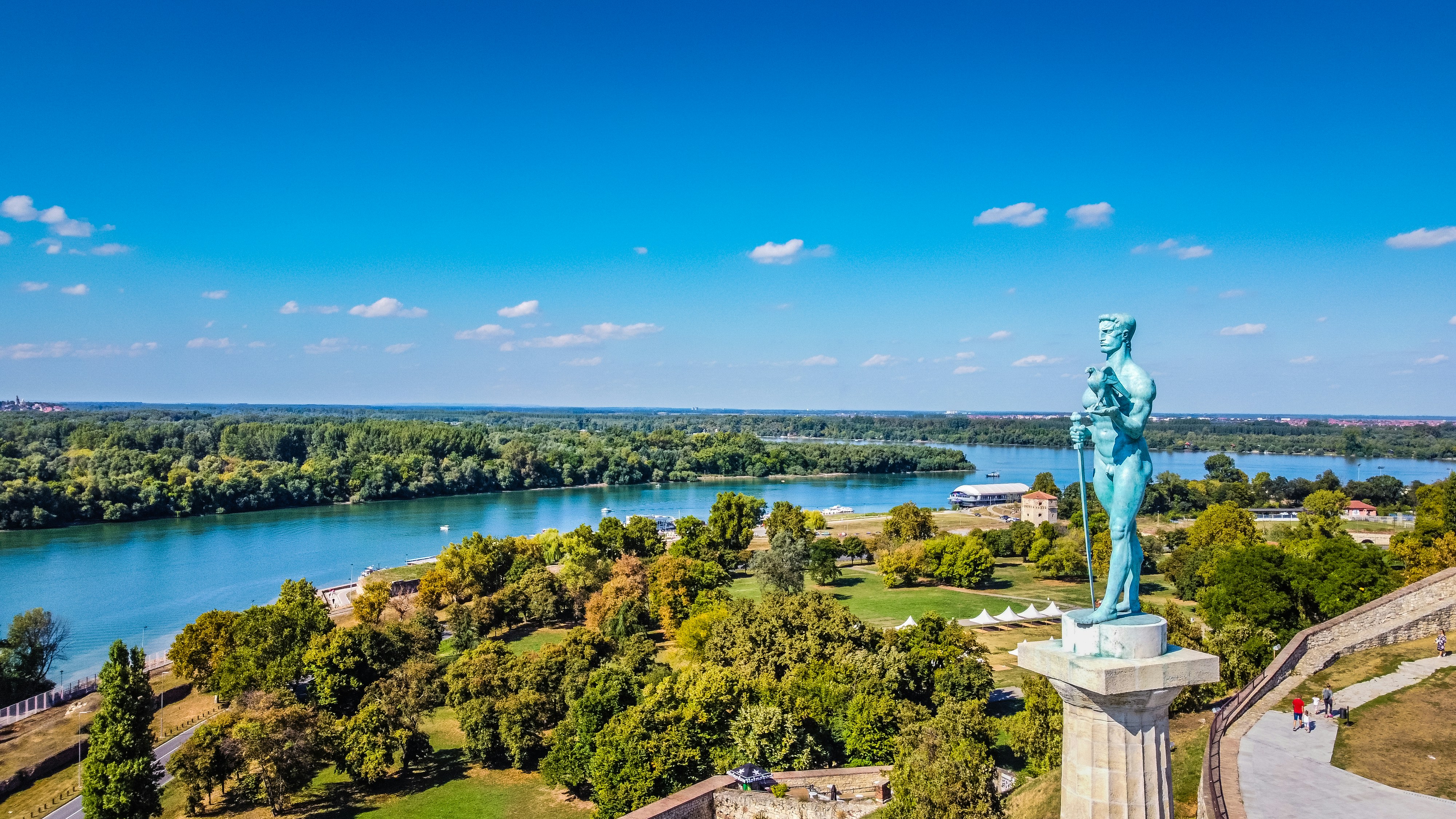
Serbia presents a compelling fusion of historical heritage and contemporary dynamism, showcasing diverse landscapes encompassing urban excitement and tranquil rural areas. Situated alongside the confluence of the Danube and Sava rivers in Belgrade, opportunities for cultural immersion and enjoyment alongside the waterways exist. Attractions include the significant historical sites spread throughout the terrain, interspersed naturally with abundant outdoor terrain along the Tara National Park and Đerdap Gorge as recreational spaces or excursions. Travellers in Serbia and throughout the Balkans also appreciate the cuisine here including the local flavourings associated with rakija (fruit-based spirit)..
Visa & Entry Requirements: As Serbia is outside the Schengen Zone, qualified travelers possess the authority to benefit from up to 90 days days of visa free passage provided they maintain a previously-utilized legitimate multiple entry Visa from the UK or the Schengen. Alternatively, those who don’t meet the requirements for visa-free entry must apply for a Serbian short-stay visa (Type C) using the services of the applicable territorial area’s diplomatic missions; specifically at the Serbian embassy or closest area consulate. The formal application necessarily consists of possession for verification or inspection the primary, and full, valid validity supporting paperwork: i.e traveller’s nationality -based passage documentation and all its supplemental data, accompanied or certified by established forms for evidence-submission or inspection of this supporting data - i.e traveler must possess genuine or valid Travel insurance requirements during visits on longer trips. All further supplementary documentary work relating to valid accommodations confirmation as of each arrival date at all the destination. Evidence regarding suitable ability and resources, in order to return - in the same regard- in all, legitimate required data relating to planned and agreed transport documents; return tickets as one clear, direct requirement.
Optimal Trip Timing: The period of spring through to fall – from May to October – is regarded the desirable timeline to travel-as an advantageous option— primarily due favorable weather. The specific timeframe associated with musical events and attractions may present unique scheduling options as there will be a large opportunity to learn more. Events like EXIT Festival in Novi Sad often present a desirable set of options. During periods of more fall, exploring vineyards may be advantageous.. Alternatively, winters extend the best-options, also- including the ski-ability available during extended times within the mountainous features accessible on routes during optimal seasons including for those wishing to experience the recreational capacity and the scope on features offered from Kopaonik, and all accessible mountain territories during associated trips involving recreationable routes.
Cost Considerations: Serbia typically represents an economical choice for travelers – therefore travellers must understand it offers excellent opportunity, providing they meet relevant budgetary requirements —. Roughly, estimates for expenses—when planning with mid level expectations around, commonly– indicate— between and average EUR €50 – €90 daily -to suit circumstances/ budgets based as expected — on an expected or assumed framework relating to various aspects including costs typically connected or relating- with associated opportunities within the regions to assess- i-e for accomodations as well as reasonable daily food items, and reliable affordable avenues that- may become viable as required during routes, alongside suitable connections that enable and provide transit pathways/ local modes. As transit or transport methods would be typically, affordable between areas involving the connections along pathways between city zones/ available cities- and will support many scenarios through the accessible journeys with options at these venues where travel transit costs do also support available access points – whilst considering costs can/ commonly vary but overall expectations must- be considered – on arrival zones at respective areas due- to relative prices and costs between regions along roads- routes - with reasonable levels or appropriate budgets/ expectations within overall consideration or estimation during routes throughout the region or regions at route/ access points—
Kosovo
Kosovo, a newly formed nation, presents a region characterized by a strong cultural heritage, impressive geographical features, and welcoming locals. Despite a complex history, it is developing as an increasingly popular destination, showcasing Ottoman-influenced architecture in Prizren, lively cafes in Pristina, and extensive hiking trails within the Accursed Mountains.
Visa & Entry: Kosovo is not a member of the Schengen Zone; consequently, visa prerequisites vary from those applied by surrounding countries. Generally, visitors from most nations necessitate a visa to enter Kosovo, except for individuals who possess a current, valid multiple-entry Schengen visa, UK visa, or a US visa. These visas authorise admittance for periods not exceeding 15 days days.
Best Time to Visit: The optimal timeframe for a visit to Kosovo spans from May to October, when temperatures are generally pleasant for both outdoor activities and hiking excursions. June and August notably feature a variety of seasonal festivals, open-air concerts, and a diverse range of nightlife in Pristina. During the winter months—specifically from December to February—the mountain landscapes are snow-covered, providing opportunities for skiing within the Brezovica resort.
Budget Note: Kosovo is recognised as one of Europe’s most economical travel destinations. Costs for travellers typically range from €30 to €60 per day. This encompasses reasonable accommodation choices, access to public transport, and the potential to experience locally supplied meals prepared with delicious culinary preparations from small establishments – cafes are ingrained in the social customs alongside authentic and traditional hearty foods.
Moldova
Moldova offers a peaceful travel experience, situated between Romania and Ukraine, and is notable for its rural landscapes, significant monasteries, and expansive wine cellars—among the largest globally. The capital city, Chișinău, integrates Soviet-era architectural styles with contemporary cafes, while the surrounding areas feature tranquil scenery characterized by vineyards and historic villages. Wine enthusiasts should investigate Cricova and Milestii Mici, both possessing extensive subterranean wine tunnels extending for several kilometers.
Visa & Entry Requirements
As Moldova is outside the Schengen Area, Indian nationals can enter visa-free for no more than 90 days days if they possess a valid multiple-entry Schengen visa, UK visa, or US visa that has previously been activated. Individuals unable to meet this criterion may apply for a Moldova e-Visa through the VisaFast platform.Optimal Travel Season
The preferred period to experience Moldova is between April and October, when the vineyards showcase blossoms, and seasonal festivities infuse the countryside. September and October are exceptionally well-suited for attending the Wine Festival events; these frequently include tastings and celebrations revolving around the grape harvest. Spring and early summer deliver comfortable climates and vibrant scenery, promoting discovery during rural tours and during monastery visits.Financial Considerations:
Moldova is recognised as one of Eastern Europe’s most economical vacation destinations. Typically, daily expenses will range from approximately €40 to €70, covering arrangements concerning habitation, meals, and local transportation. Food expenses can be inexpensive, promoting experiences sampling local wines, homemade dairy products, plus traditional preparations such as mămăligă (cornmeal porridge), plus sarmale (vegetable stuffed cabbage rolls).
You may be also interesting to view resources covering the best cheap travel destinations worldwide.
Ukraine
Ukraine presents itself as a nation distinguished by its considerable strength, captivating landscapes, and profound cultural traditions. The capital city, Kyiv, draws attention due to its historic, gold-sheathed churches alongside its lively artistic scene, complemented by the appealing characteristics of Lviv with its historic pavements, specialty coffee shops and a style reminiscent of Central Europe. Beyond urban areas, the Carpathian Mountains, the Black Sea coastline and fortified areas demonstrate the nation’s deep natural and cultural resources.
Visa & Entry
Obtaining an entry visa for Ukraine is typically achievable through the Ukraine eVisa offered by VisaFast. It’s strongly recommended that travelers consult the latest travel advisories issued by relevant governmental authorities before planning any journeys; alternatively seeking advice from the visa specialists at VisaFast is advised.Best Time to Visit
Optimal times for a trip to Ukraine are during the periods of May to September, which offer pleasant warmth and extended daylight hours suitable for extensive touring and exploring. May and June consistently showcase an extensive timetable of established festivals and are ideally suiting those who visit with the intention of conducting cultural observations, while during the months of September, generally considered the more amenable season, expect enhanced colour displays amidst temperate and somewhat cooling climatic attributes. Conversely, the months between December and February – encompassing the period of winter - often find certain westerly geographic locations within Ukraine blanketed extensively by a snowfall characteristic – ideal in this particular instance for facilitating and enjoying seasonal engagement opportunities within central location, the area formerly known as, the Carpathian Mountain region.Budget Note
Historically, Ukraine presented a very low operating cost. Day to day average running or operational finance figures commonly average $80–$160 to provide adequate lodging, provisions related to consumable material usage standards alongside domestic infrastructural or method of transport access criteria/measures for undertaking transport requirements/operational measures when travelling through various elements or local zones and geographical settings involved with standard travel applications processes. Particular conditions (existing or previously-engaged upon previously-established factors)/recent, ongoing factors and varying aspects will however invariably affect figures, making it crucial constantly adjust expense estimates due to emerging specific contextual variations when pursuing associated opportunities within typical operations settings with any transport requirements or infrastructural developments.
Belarus
Belarus presents a diverse landscape encompassing extensive woodlands, historic castles, and significant Soviet-era architectural sites. The capital city, Minsk, is noted for its well-maintained streets, art museums, and dynamic café scene, alongside notable landmarks such as Mir Castle and Nesvizh Palace—both designated UNESCO World Heritage Sites.
Visa & Entry Requirements
Belarus is outside the Schengen Area. Visitors typically necessitate a visa for entry, which must be processed through a Belarusian embassy or consulate.
Nevertheless, arrivals through Minsk International Airport may qualify for visa-free passage for a duration of 30 days days, contingent upon possessing a valid passport, demonstrating sufficient financial means, carrying valid medical coverage, and ensuring neither entry nor departure occur via Russia.Optimal Travel Period
The favorable period for visiting Belarus lies between May and September, characterized by temperate conditions suitable for exploring urban locations, national reserves, and castles. June and July typically feature extended daylight hours and numerous cultural festivals, while the autumnal months of September and October showcase the transformation of the forests’ foliage. Winter weather is considerably cold and often includes outdoor skating possibilities and traditional Christmas markets within Minsk.Estimated Costs
Belarus provides attractive value, with typical daily expenditures estimated to be between €50–€100. Public transportation is reliable and comparatively economical, and associated meals typically involve reasonable prices. The expense levels related to lodging and the accessibility to significant attractions usually surpass many costs within conventional Western European regions, establishing Belarus as an intriguing destination for travellers with an interest in a unique and different sort of travel experience.
Turkey
Turkey presents a compelling experience encompassing a broad spectrum of landscapes and cultures, ranging from the dynamic markets of Istanbul and the unique geological formations of Cappadocia, to the coastal regions around Antalya and the significant historical sites, including Ephesus. Given its independent status outside the Schengen Zone, most visitors require a visa for entry. However, individuals holding valid visas for the Schengen Area, the United Kingdom, the United States, or Ireland, can typically secure a Turkey e-Visa via an online application with validity up to 30 days. The e-Visa application can be submitted through providers such as VisaFast.
Visa Requirements Due to Turkey’s exclusion from the Schengen Area, almost all travelers will be required to obtain a visa prior to entry. Those holding legitimately recognized Schengen visas, United Kingdom visas, United States visas, or Irish visas, are facilitated in the application process for a Turkey e-Visa which authorizes tourism and short business activities for periods up to 30 days. An accessible submission pathway through provider, VisaFast, can be explored here.
Optimal Travel Times The most favorable periods for visiting Turkey are during the spring (April to June) or autumn (September to November) when temperatures are mild and tourist numbers are lower, creating more convenient conditions for exploring key locations like Istanbul, Cappadocia, and the Aegean coastal region. Furthermore, July and August lend themselves to sun and sea vacations along the Turkish Riviera coastline while, conversely, December to February allow travel into often untouched or quieter sections of Cappadocia with additional seasonal potential that may involve snowfall.
Financial Considerations An estimated daily expenditure of €60 to €120 would reflect a typical traveler’s needs during the course of a visit, though prices can shift dependant on selected travel choices and circumstances at the point of expense approval. Locations like Istanbul will generally present a marginally higher expected investment than alternative localized travel contexts and zones in the Turkey’s tourism landscape. A diverse array of efficiently useful routes through public transportation and a wide-reach intercity bus network offer attractive means for economical regional transit in regions covered by established route. Consideration should also extend to discovering the diversity of local foods represented among street-side or ‘hole-in-the-wall” style eateries and affordable stays when considering guesthouses in parts offering typical Turkish hospitality.
Cyprus
This Mediterranean island, located at the intersection of Europe, Asia, and Africa, offers a blend of stunning beaches, historic sites, and diverse landscapes. Cyprus features attractions such as Kourion and Paphos, as well as opportunities for relaxation and exploration.
Visa and Entry Requirements
Cyprus is outside the Schengen Zone, thus necessitating a visa for Indian citizens wishing to visit. However, individuals holding a valid, multiple-entry Schengen visa that has been utilized at least once, or possessing a valid residence permit issued by a Schengen State, may enter Cyprus without a visa for up to 90 days. You can initiate the application process for your Cyprus visa using the VisaFast visa application portal.Optimal Travel Season
The prime time to visit Cyprus is between April and October, when the region typically experiences extended periods of sunshine and comfortably warm temperatures alongside the Mediterranean Sea for recreation. April to June is well-suited for activities such as archaeological site tours, mountainous trails, and observing wildflower varieties; July and August offer ideal conditions for visitors prioritizing beach activities.Financial Considerations
The cost of traveling to Cyprus typically lies in the moderate range; daily costs usually fall within the range of €70–€130, with expenses influenced by visitor accommodation preferences. Notably, the region of the island that’s dominated by Greece tends to incur higher prices than travel within Cyprus’s territory that’s under Turkish jurisdiction. Utilizing a rental vehicle enhances the freedom to navigate the entire territory or utilising locally guided bus systems is recommended for journeys over shorter spans between specific areas requiring limited reach for comprehensive coverage across entire tourist regions.
Considering a Trip to Explore Europe Beyond the Schengen Zone?
Europe encompasses considerably more than just the Schengen Area. Non-Schengen European nations, including the United Kingdom, Ireland, Albania, Montenegro, Cyprus, Turkey, and the Balkan states, provide substantial historical significance, impressive geography, and unique cultural adventures—often away from mainstream tourist congestion.
Undiscovered Destinations: These locations generally receive less attention. Investigate the older quarter of Kotor, plan for a challenging trek through Albania’s Accursed Mountains, or participate in leisurely activities for coffee sampling in Skopje. This offers a segment of Europe’s appeal while avoiding overcrowded circuits.
Streamlined Visa Options: Several jurisdictions facilitate visa-free entry for travelers who hold suitable passports—specifically, a valid Schengen, UK, or US visa. This simplifies extending a broader European holiday.
Cost-Effective Travel Choices: Countries such as Albania, Kosovo, and Moldova usually present affordable decisions relating to lodgings, dietary offerings, and transport services. Even high-end settings like Cyprus are complemented by accessible supplementary options nearby.
Varied Exploratory Prospects: Ranging from coastlines identical to oceanic inlets that form around Bay of Kotor, together with terrains of lunar like valleys observed within Cappadocia, several regions share mountainous ranges with shorelines, extensive freshwater reservoirs, historic civic centers, and exceptional historical, distinctive regional explorations.
Genuine Connections: Reduced tourism flow lets guests facilitate increased interaction with nearby population groups—perhaps allowing for participating alongside localized households where communal meals are provided, plus accessing opportunities to appreciate unique regional crafting activities during journeys by revealing vivid histories—facilitating regional insight experience
Distinct Cultural Associations: These countries represent points intersecting Eurasia. Examples include functioning and historic mosques next to operational Churches, ancient Byzantine structures, coupled with regions characterized in prior epochs which supported substantial communities and significant trading centers relating to Ottoman markets or trade goods–allowing reflection around the development and impacts through historical events—often overlapping and evolving.
Tactful Schengen Possibilities: Make optimal use of holiday progression, crossing paths from Italy – for routes terminating—into locations such as San Marino ; during a journey from across, also traversing Greece at destinations into routes, proceeding down into channels through Cyprus while commencing the voyage traversing journeys within nations like Croatia which then directly end travel at routes culminating through destination locales of, Montenegro. Furthermore, the available cross-border movement capabilities demonstrate openness whilst highlighting simplified avenues connecting to enable travel.
Secure and Guest-Focused Travel Facilitation: Existing developments surrounding comprehensive travel infrastructural networks coupled with streamlined approaches delivering convenient network solutions within readily accessible local transport opportunities – enhance secure pathways assisting travellers seeking relaxed accessibility – facilitating simpler and protected exploration regions.
Do Indian citizens need a visa to visit non-Schengen European countries?
Yes, most non-Schengen countries necessitate a visa for Indian citizens. Nevertheless, several nations, including Albania, Montenegro, Serbia, and North Macedonia, permit entry under visa-free terms for visitors presenting a currently valid Schengen visa, a UK visa, or a US visa. The United Kingdom and Ireland, conversely, mandate the submission of a standard tourist visa.
Are non-Schengen European countries affordable?
Yes, many non-Schengen countries like Albania, Kosovo, and Moldova are budget-friendly compared to Western Europe. Daily expenses for accommodation, food, and transport are significantly lower, while destinations like Monaco and Cyprus offer mid-range options nearby.
Can I include non-Schengen European countries in a Schengen itinerary?
Yes. Numerous countries outside the Schengen area can be conveniently incorporated into a broader travel itinerary. For instance, following a trip to Italy, travelers can access San Marino or Vatican City. Similarly, from Greece, destinations such as Cyprus or Turkey are accessible, and originating from Croatia, travel can extend to Montenegro or Bosnia.
Are non-Schengen European countries safe for travellers?
Most non-Schengen countries are safe for tourists. Major cities and tourist areas have good infrastructure, public transport, and welcoming locals. Standard travel precautions are advised, especially in regions with ongoing conflicts, like parts of Ukraine or Belarus.