
According to data from the United Nations World Tourism Organization (UNWTO), Europe constitutes 50% of global tourist arrivals, positioning it as the continent with the highest volume of inbound visitors. UNWTO data indicates that inbound tourist arrivals in Europe reached approximately 747 million in 2024, representing a 5% increase compared to 2023 and a 1% surge since 2019, indicative of recovery within the European tourism sector following the pandemic.
This high demand for Europe is attributable to several key factors. Many European nations consistently rank prominently within the Global Peace Index due to their relatively low crime rates, effective law enforcement, and sustained political stability. These countries possess well-established infrastructure characterized by reliable public transport networks, high-quality healthcare services, and modern tourist amenities, facilitating convenient travel experiences. Furthermore, Europe’s diverse offerings—ranging from the iconic landmarks of Paris to the beautiful beaches of Greece—ensure a memorable experience for travelers. Whether one seeks artistic heritage and architectural marvels in Italy, historical castles in Germany, or lively nightlife in Spain, along with thrilling alpine adventures in Austria, Europe’s multifaceted attractions continually attract substantial numbers of tourists.
Below is a list of the eight most visited European countries, referencing UNWTO data regarding annual tourist arrivals:
- France
- Spain
- Italy
- Turkey
- United Kingdom
- Germany
- Greece
- Austria
1. France (100 Million Visitors)
France stands as the undisputed leader in global tourism, attracting a staggering 100 million visitors in 2023, making it the most visited country globally. The reasons for France’s dominance in tourism are plentiful, but its unparalleled beauty and iconic landmarks stand out the most. It is home to some of the world’s most famous attractions, including the Eiffel Tower, the Louvre Museum (housing the Mona Lisa), Mont Saint-Michel, and the Palace of Versailles, which is among the 3 most visited landmarks in the world!
Aside from its landmarks and history, France excels in tourist-friendly infrastructure, local hospitality, and a top-tier public transportation system. The TGV high-speed train system, well-maintained roads, and an extensive metro network in major cities make it effortless for visitors to navigate. French locals, despite their reputation for being reserved, are welcoming and helpful. The country is also a great place in the world for food lovers, boasting Michelin-starred restaurants, charming patisseries, fresh-serve markets and exquisite wines.
Moreover, obtaining a France Schengen Visa is relatively simple, with an 83.30% visa approval rate, making it one of the easier European countries for non-EU tourists to visit.
Important Information Regarding France
- Entry Requirements: France is a member of the Schengen Area, permitting visa-free entry for citizens of Schengen nations. Travelers from visa-exempt countries, including the USA, Canada, Australia, and Japan, may stay for a limited duration. Individuals from nations such as India, Pakistan, and South Africa are required to obtain a Schengen visa prior to travel.
Important Note: Should you be a national of a visa-exempt country, it is crucial to remain informed about the implementation of the ETIAS (European Travel Information and Authorization System), anticipated for the first half of 2025. This system will function as a mandatory pre-travel authorization for brief stays (up to 90 days) within France and other participating Schengen nations.
How to Reach France: France maintains extensive global connectivity, with Charles de Gaulle (CDG) in Paris serving as the primary airport. Additional significant airports comprise Orly (ORY), Nice (NCE), and Lyon (LYS). Eurostar trains provide service connecting France to the UK, while high-speed rail integrates European cities.
Optimal Travel Seasons: Spring (April – June) and Fall (September – November) generally offer enjoyable weather conditions and reduced visitor volumes. Summer (July – August) constitutes a popular period, though it exhibits greater activity, particularly in Paris and the French Riviera. Winter (December – March) proves suitable for skiing in the Alps, coupled with immersive experiences of distinctive Christmas markets.
Prominent Attractions: Well-known sites consist of the Eiffel Tower, Louvre Museum, Mont Saint-Michel, Palace of Versailles, French Riviera, and Loire Valley castles. Disneyland Paris is ideal for visitors of families; additionally, Normandy’s D-Day beaches and Alsace’s wine route provide exceptional opportunities immersed in distinctive culinary experiences..
Transportation within France: The TGV high-speed train effectively connects key urban centres. Paris accommodates an efficient metro system, while local trams/buses maintain operations within towns and settlements of smaller capacities
Language Considerations: Despite French maintaining its status as the official vernacular the usage and prevalence of English frequently and easily speak amongst the local tourist locales.
Financial Regulations: France mandates the monetary form of Euros signifying the Euro symbol (€). This facilitates standard operating regulations with widely accepted credits or digital monetary mechanisms and the possibility exists across some privately situated merchants particularly, when visiting small markets; establishments predominantly sell small goods and local produces and markets.
2. Spain (85.1 Million Visitors)
Spain is the second most visited nation globally, receiving approximately 85.1 million tourists annually, as reported in 2023. Notably, 2024, Spain achieved a peak in international arrivals, recording 94 million visitors—the highest level since 2010.
Spain’s allure stems from its varied terrains, substantial historical and cultural significance, and consistent favorable climatic conditions. Events like La Tomatina and the Running of the Bulls contribute significantly to the nation’s tourism draw. Spain also benefits from achieving a 23rd position on the Global Peace Index, maintaining a safety score of 64.3 according to Numbeo data—outlining its position as a secure travel destination in Europe. The country offers a contemporary transportation system, comprising a robust, high-speed rail network, major international airports, and effective highway systems, supporting diverse travelers. Regardless of preference – appreciating historical locations, pursuing dynamic entertainment opportunities, enjoying relaxing coastal locales, or embarking on adventurous explorations – Spain offers a suitable travelling experience.
Important Information for Prospective Visitors to Spain
Entry Requirements: Spain is part of the Schengen Area; therefore, travellers from visa-exempt countries are permitted to visit for periods up to 90 days (90 days). Individuals from countries requiring Schengen visas must apply for one prior to travel via the Schengen visa application process. Following a policy announced in mid-2025, Electronic Travel Authorization System (ETIAS) authorisation will be mandatory for all visa-exempt travellers.
Reaching Spain: Major international airports, primarily Madrid-Barajas (MAD) and Barcelona-El Prat (BCN), operate extensively. The country is well-connected by rail, including the AVE high-speed network serving numerous urban centers across Europe, connecting destinations like Madrid, Barcelona, Seville, and Valencia.
Optimal Travel Season: Spring (April to June) provides the most agreeable climate, characterized by warmth with moderate tourist numbers. Autumn (September-November) offers pleasant conditions, while summer (July-August) represents a peak season, particularly in regions such as Madrid, Seville and Andalucía, noted for potentially considerable heat.
Prominent Attractions: Noteworthy landmarks include the Sagrada Família, Park Güell and La Rambla within Barcelona; the Prado Museum alongside Royal Palace and Plaza Mayor sites in Madrid, and also encompassing the significance to include Granada’s acclaimed landmark, including detailed experience within Spain’s Alhambra. Consideration towards alternate urban destinations can include visits across urban regions such Valencia city, revered for diverse cultural and artistic establishments.
Local Transport: The AVE network predominantly operates high-speed rail connections between its core urban areas. Effective public transports operate by way of significant metro services concentrated along central locations include services extended along Madrid, alongside networks established within Barcelona including Seville, and encompassing urban experience including Valencia transport arrangements. Cab services or via shared economical schemes available, supplementing intercity public transit schemes utilizing services operating public travel for services between varied region destinations in Spain.
Language: The predominantly spoken language within the geographical region of Spain utilizes Spanish including ‘Castilian dialects. Comprehension and services often supplied alongside common availability established specifically within central metropolitan experience and areas including tourism related geographical and urban areas experiencing varied and established experience amongst Spain within urban zones and city networks.
Financial Aspects: The currency in operationality is utilized based arrangement utilising the Euro – ‘€’. Consistent availability of wide operational accessibility credit and direct debit account availability services including financial services common within wide scale established usage, alongside recommending consistent supplementary service and operational funding approaches are recommended, notably utilizing readily located access points to utilise availability of services and currency accessible for consistent supplementary service needs within geographical geographical destinations experiencing Spain, alongside common practice regarding supplementary transactions financial needs experienced via established usage, widely across geographical areas and financial sector experience alongside established accessibility payment arrangements to maintain funding throughout locations experiencing services within destinations throughout Spain
3. Italy (57.25 Million Visitors)
Italy, a timeless European gem, is the 3rd most travel destination worldwide. In 2023, Italy also ranked as the second most visited country by EU residents, according to Eurostat, proving its immense popularity among European travellers.
The country shares land borders with other most visited countries, like France and Austria, offering easy cross-border access. It is also home to one of the most visited landmarks and one of the Seven Wonders of the New World, the Colosseum, and home to the popular cities of Rome, Florence, Venice, and Milan, drawing millions every year.
Additionally, Italy ranks 33rd among 163 countries on the Global Peace Index 2024, making it a safe and welcoming destination. The locals are warm and passionate, embracing their deep-rooted traditions. Italian cuisine is legendary, offering authentic pasta, pizza, gelato, and world-renowned wines. The transport infrastructure is also well-developed.
Important Information for Prospective Visitors to Italy
- Visa Requirements: As Italy is part of the Schengen Area, individuals not falling under visa-exempt nationalities will require a Schengen visa to enter.
Note: The Schengen visa approval rate for Italy stands at 88%, reflecting its relative ease of obtaining a Schengen visa.
Travel Options to Italy: Italy’s major international airports include Rome Fiumicino (FCO), Milan Malpensa (MXP), and Venice Marco Polo (VCE). High-speed train connections are prevalent from nearby countries, and ferry services facilitate travel to Greece, Croatia, and Spain.
Optimal Travel Timing: Spring (April – June) presents the most favorable conditions for visiting Italy, experiencing pleasant temperatures and fewer crowds. Summer (July – August) typically features peak season and can include extremely high temperatures, notably in Rome, Florence, and Naples. It is essential to prepare appropriately for these conditions. You can find a helpful packing list here.
Key Attractions: Italy is renowned for its historical and artistic treasures. Popular landmarks include the Colosseum and Trevi Fountain in Rome, the Uffizi Gallery and Ponte Vecchio, as well as Michelangelo’s David in Florence. Venice offers a notably charming experience alongside visits to St. Mark’s Basilica. Further sightseeing incorporates Vatican City, visits to Tuscan vineyards, and explorations of Pompeii’s ancient ruins.
Local Transportation: High-speed train services provided by Trenitalia and Italo connect major cities effectively. Localised transport options in urban settings include bus routes and metro systems. Accessible options for more considerable cities consist of taxies and applications utilising the services of “Uber”.
Language & Currency: Italian is considered the country’s official language and whilst English is generally readily employed within local tourism areas utilising locations throughout those visitor regions; to properly integrate there will exist advantages for the prospective visitor learning simple phrases such as ‘Grazie (Thank you) and ‘Per favore (Please) within additional parts which are less populated there. Consequently utilising those to benefit in various locations. Italy operates under an Euro ( € ) currency and this will have widespread acceptance for many services however some payment locations are beneficial if you choose to have access for cash transactions.
4. Türkiye (55.16 Million Visitors)
Straddling both Europe and Asia, Türkiye welcomed 55.16 million international tourists in 2023. Istanbul, the nation’s largest city, was the second most visited city globally in 2024, according to Euromonitor.
Türkiye’s allure stems from its rich tapestry of history, culture, and natural beauty. The country’s diverse landscapes, from the fairy chimneys of Cappadocia to the pristine beaches of Antalya, cater to a wide range of traveller interests. Beyond its attractions, the Turkish people are renowned for their hospitality, often going out of their way to assist visitors. The nation’s infrastructure has also seen significant improvements, with modern airports, efficient public transportation, and a growing network of highways facilitating easy travel.
Things to know before visiting Türkiye
Entry requirements: Türkiye offers visa-free entry to citizens of many countries, including most European nations. Other nationalities can apply for e-visa (like the USA, UK, and Australian citizens) or a Turkey sticker visa at the nearest embassy. You can check the latest visa requirements on the Türkiye’s Ministry of Foreign Affairs website.
How to reach Türkiye? Türkiye has major international airports in Istanbul (IST), Ankara (ESB), and Antalya (AYT). Additionally, Türkiye’s strategic location makes it accessible via overland routes from neighbouring countries and by sea through various ports.
Best time to visit: The ideal time to visit Türkiye is during the spring (April to June) when the weather is mild and the landscapes are lush. This period offers pleasant temperatures suitable for sightseeing and outdoor activities.
Major attractions: If visiting, make sure to explore the Hagia Sophia, Blue Mosque, and Topkapi Palace in Istanbul. Experience the unique fairy chimneys and take a hot air balloon ride in Cappadocia. Discover the well-preserved ancient Roman city of Ephesus, the ancient city of Hierapolis and Antalya’s landmarks.
Getting around in Türkiye: The country has an expanding rail network, including high-speed trains connecting cities like Istanbul, Ankara, and Konya. For those looking to explore at their own pace, renting a car is a viable option, especially in regions like Cappadocia and along the Turquoise Coast.
Language: The official language is Turkish. In major cities and tourist areas, English is commonly spoken. However, learning a few basic Turkish phrases, such as “Merhaba” (Hello) and “Teşekkür ederim” (Thank you), can enhance interactions with locals.
Currency & payments: The official currency is the Turkish Lira (TRY). Credit and debit cards are widely accepted in urban areas, hotels, and larger establishments. However, in smaller towns, markets, and rural areas, cash is preferred.
5. United Kingdom (37.22 Million Visitors)
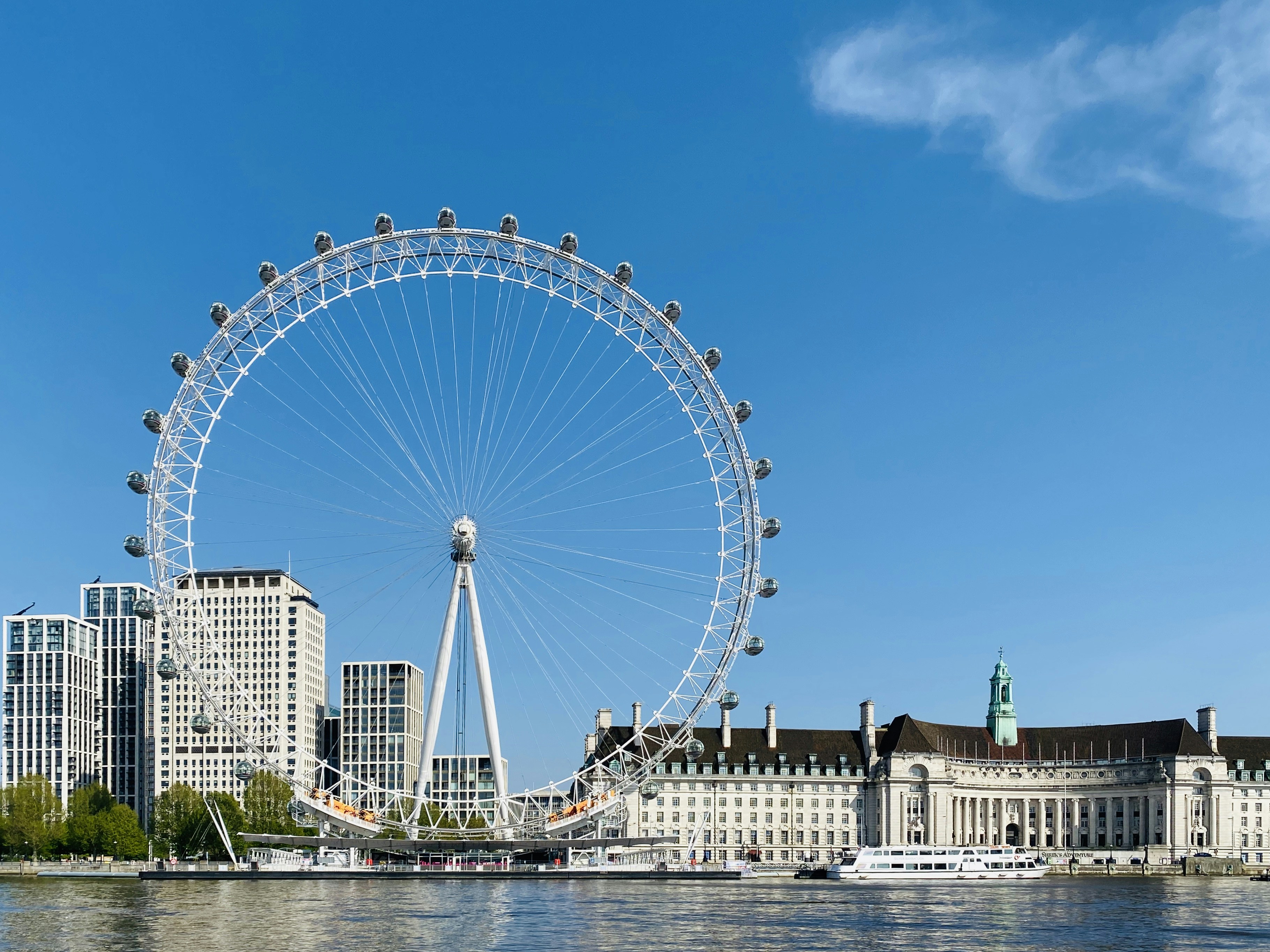
The United Kingdom (UK), encompassing England, Scotland, Wales, and Northern Ireland, represents the fifth most frequently visited nation globally. London, as the nation’s capital, held the position of the third most visited city worldwide in 2023 and 2024, drawing significant numbers of visitors to iconic landmarks including the Tower of London, Buckingham Palace, and the British Museum. Beyond London, destinations like Edinburgh, Manchester, and Bath present unique experiences with significant historical value and dynamic cultural landscapes.
Furthermore, based on the Global Peace Index 2024, the UK is ranked 34th among 163 countries, which reflects its status regarding safety. The nation’s established infrastructure, specifically including a broad public transportation network and contemporary facilities, improves the prospectiveness of travel. While petty theft has occasionally been reported throughout prominent tourist areas, the UK broadly remains conducive to exploring, possessing a generally secure environment to accommodate visitors.
Important Considerations Before Your UK Visit
Visa Requirements: The United Kingdom maintains independent visa policies distinct from those of the Schengen Area. As of January 8, 2025, citizens from visa-exempt nations, such as the United States, Canada, and Japan, can typically stay for approximately six months using an Electronic Travel Authorisation (ETA). Individuals from other countries may be required to obtain a Standard Visitor Visa before traveling to the UK.
Accessing the UK: The UK is accessible via a multitude of international airports, with London Heathrow (LHR) experiencing the highest passenger volume worldwide. Substantial transit points include Gatwick (LGW), Manchester (MAN), and Edinburgh (EDI). Connectivity is further enhanced by the Channel Tunnel and available ferry networks serving connections to mainland Europe.
Optimal Travel Timing: Periods between June and August are favored as destinations during this timeframe experience favorable weather conditions characterised by warmer temperatures along with extended daylight hours of duration.
Notable Tourist Destinations: Significant sites to observe during a visit to the United Kingdom incorporate the landmark presence of buildings constituting governmental functions within London alongside installations comprising attractions of specific merit namely The Houses of Parliament, the London Eye, alongside entertainment venues associated with performance in the West End. Edinburgh’s features include historical sites which includes the Royal Mile additionally Edinburgh Castle. Tourist expeditions additionally incorporate sites established during historic periods encompassing sites incorporating iconic geological arrangements namely Stonehenge coupled with naturally evolved locales corresponding to the Lake District. Historical and architectural attractions including sites built pertaining primarily to Roman influence additionally represent important points for visitation as found in Bath.
Transportation Networks: Effective pathways connecting the primary metropolitan bases of the country are derived largely by high – speed railway networks together featuring rail conveyance providing efficient connections. Moreover access extends by route with national bus – coach networks affording nation coverage supplemented at budgets by regional connections. Within urban areas primarily within London routes of efficiency utilize the primary Underground system facilitating movement across main districts encompassing the greater metropolitan presence.
Language Utilisation: The predominant communicated form and language generally utilised is of English usage widely represented during general communication.
Financial Regulations & Conduct: Financial arrangements predominantly leverage the currency form of British Currency form including currency designations denominated forms using an abbreviated Sterling indication —£- Commonly accepted electronic transfers occur during broad conduct encompassing associated transaction payment facilitation coupled via availability at ATM transactional network locations.
6. Germany (34.8 Million Visitors)
Located in central Europe, Germany shares land borders with several prominent tourist destinations, such as France, Austria, and the Netherlands, facilitating convenient travel itineraries. Germany is highly regarded for its significant historical sites, iconic castles, and diverse cultural events. The annual Oktoberfest celebration in Munich attracts a considerable number of international visitors each year, highlighting significant Bavarian traditions.
Moreover, Germany consistently ranks highly regarding safety and security. The country is presently ranked 20th among 163 nations on the Global Peace Index 2024, and demonstrates a safety score of 62.4 according to statistics from the Numbeo Safety Index, confirming a secure environment for tourists. Supplementary to this, Germany possesses a well-developed infrastructure including a leading public transit system, exceptional healthcare facilities, and is known for its welcoming demeanor. The nation reports an 85.7% success rate for Schengen visa applications for tourism, signifying openness to international travellers and simplifying trip planning for prospective visitors.
Important Information for Your Trip to Germany
Entry Requirements: Germany is a member of the Schengen Area. Applicants from countries not exempt from visa requirements must obtain a Schengen visa before traveling.
Reaching Germany: Germany can be reached via numerous international airports, with Frankfurt Airport (FRA) and Munich Airport (MUC) serving as key hubs. Due to its central location in Europe, the country is accessible by high-speed trains and well-established roadways from adjacent countries.
Optimal Visiting Season: The preferred time to visit Germany is during September and October, particularly for experiencing the renowned Oktoberfest festival in Munich. June to August are also favorable, given pleasant weather and various festivals.
Key Attractions: Notable destinations within Germany include Berlin’s Brandenburg Gate, the Berlin Wall Memorial, and the Museum Island. Munich features Marienplatz and Nymphenburg Palace. Also notable is Neuschwanstein Castle, located within the Bavarian Alps, recognized as a magnificent fairytale landmark.
Transportation Within Germany: The Deutsche Bahn operates a comprehensive rail network, including high-speed ICE trains connecting major urban areas. Urban environments offer substantial public transportation schemes – these comprise the U-Bahn (subway), S-Bahn (suburban train), and public bus networks ensuring seamless travel.
Language: German remains the official language; however, English is commonly used within major cities and tourism zones. Specifically, you’ll find this predominately experienced amongst younger generations and in positions relating to tourism and customer services. It is suggested that learning foundational German terminology could substantially benefit your trip.
Monetary Matters & Payments: Germany employs the Euro (€). Extensive acceptance of both credit and debit cards exists. Nonetheless, it’s advisable to carry sufficient Euro cash when utilizing independent premises and retailers.
7. Greece (32.7 Million Visitors)
Greece, situated in southeastern Europe, attracts visitors with its extensive historical heritage and diverse natural attractions. The country boasts significant cultural sites including the Acropolis of Athens, Delphi, and the Palace of Knossos, offering exploration of numerous ancient civilizations. The islands of Santorini, Mykonos, and Crete are particularly popular for their distinctive architecture, coastal waters, and lively cultural scenes. Greek cuisine, recognized for dishes like moussaka, souvlaki, and baklava, presents visitors with compelling culinary options, while the country’s welcoming tradition of hospitality (“philoxenia”) ensures comfortable stays.
Safety considerations are influential to Greece’s popularity, exhibiting significant peace indicators. Greece has observed considerable advances on the 2024 Global Peace Index, placing it at the 20th rank. This success denotes growth in political firmness and safety standards. Notably, Greece maintains a notably low Schengen visa rejection rate, offering increased accessibility to an international traveler demographic.
Important Considerations for Visitors to Greece
Schengen Visa Requirements: Greece is a member of the Schengen Area. Individuals originating from non-exempt countries will require a valid Schengen visa before entering Greece.
Accessing Greece: Greece possesses significant international connectivity with principal airports located in Athens (ATH), Thessaloniki (SKG), and on key islands such as Santorini (JTR) and Mykonos (JMK). Ferry services are also available, facilitating travel connections to bordering nations including Italy and Turkey, and providing seamless transitions between the mainland and its island destinations.
Optimal Travel Times: Spring (April–June) and autumn (September–October) periods generally represent the optimal durations for visiting Greece, characterized by agreeable climatic conditions and comparatively diminished tourism volumes.
Notable Destinations: Greece features a wealth of significant attractions. Significant highlights in Athens comprise the historic Acropolis, including the Parthenon, alongside the distinct Plaka district. Santorini is celebrated for its exceptional sunsets viewed in Oia, uniquely situated black sand coasts, and the Akrotiri archaeological site. Mykonos is distinguished by its vibrant entertainment atmosphere, the alluring locale of Little Venice , and notable windmills. Moreover, Delphi, recognized as a UNESCO World Heritage site exhibiting a historical sacred sanctuary belonging to the Oracle of Delphi.
Transportation Options: Extensive ferry networks conduct travel connections amongst Greece’s islands which serves also the interconnections between mainland destinations as well as inter-island ferry services between islands, offering appealing routes. Additionally, the KTEL bus transit infrastructure provides robust transport coverage spanning the Hellenic mainland, alongside connectivity towards certain Greek islands..
Language Considerations: The official language of Greece is Greek. Whilst multilingualism predominates amongst English commonly used by personnel involved during visits to most notable areas mainly the island & coastal regions most frequented, it is generally recommended that you engage understanding amongst locals to minimize confusion.
Financial Transactions: Greece employs a Euro (€) denomination for financial transaction use. A large proportion of accepted types including Credit and Deposit Card payments operates predominately through areas involving greater businesses and larger urban residential settlements, yet payment utilization among individuals, particularly vendors from establishments, families or local markets may be better served through financial cash denominations.
8. Austria (30.9 Million Visitors)
In 2023, Austria attracted approximately 45.2 million visitors, with 30.9 million being international tourists. Austria’s allure stems from its harmonious blend of cultural richness and natural beauty. Vienna, the capital, is celebrated for its imperial architecture and classical music scene, while Salzburg, the birthplace of Mozart, enchants with its baroque charm. The beauty, paired with the country’s efficient public transportation, great infrastructure and friendly locals, make it a great choice even for first-time visitors to Europe.
Austria is also committed to enhanced safety, which is evident in its ranking 3rd among 163 countries on the Global Peace Index 2024 and boasting a safety score of 72.7, according to Numbeo. Moreover, Austria maintains a higher visa approval rate of approximately 84.6%, making it easier to travel to the country.
Important Information for Visitors to Austria
Visa Requirements: Individuals traveling to Austria, excluding those from visa-exempt countries, require a Schengen visa in advance of their arrival.
Accessing Austria: Austria enjoys strong global connections, supported by significant international airports including Vienna (VIE), Salzburg (SZG), and Innsbruck (INN). Its location as a central hub within Europe facilitates connections via high-speed rail and well-maintained road networks from neighbouring nations.
Optimal Visiting Times: The best time to visit Austria correlates to your priorities. For winter recreation activities like skiing and snow sports, the period from December to February represents an optimal timeframe. Spring (April to June) and Autumn (September to October) present gentler seasonal conditions with generally reduced tourist volumes during exploration or outdoor pursuits.
Key Attractions: Austria features a numerous and distinct set of attractions. Visit the Schönbrunn Palace, St. Stephen’s Cathedral and Vienna State Opera landmarks within Vienna. Additionally, Salzbburg offers the exploration opportunity for travellers with sights like, Hohensalzburg Fortress, and the birthplace of Mozart, plus, to not miss the captivating aesthetics associated with Halstatt, and venture into the Austrian alps which presents avenues for hiking alongside the availability of ski sport attractions.
Transport within Austria: The ‘ÖBB’ operates an elaborate and accessible railway system which services interconnected paths within Austria across several major urban sites along established transport routes. Metropolitan environs can be served via, extensive tramways, bus service or via a network utilizing public metro systems as support networks,. Multiple metropolitan environments feature cycle friendly access systems supported with cycle lanes, enhanced by dedicated supply and delivery cycles on and regarding provisions made with renting avenues.
Language Protocols: The designated official language adheres formally to ‘German’. Within large populous urban tourist areas and metropolitan settings support services for foreign nationals are able to operate with native german proficiency though it warrants consideration for visitors who can integrate fundamental awareness of expressions which will directly aid integration and relations.
Monetary Transactions: Austria employs an exclusive medium which refers to the Euro expressed on ‘€’ terms regarding the transclusion of transactions for payments and purchases at merchants located internally to operate under a formal transaction process. Credit & Debit applications are widely received. However it serves good practice bearing holdings via means of support holdings involving physical cash support provision regarding places in remote support holdings.
Conclusion
These eight most visited countries in Europe, France, Spain, Italy, Turkey, the UK, Germany, Greece, and Austria, are not only the most popular destinations but also some of the best places for any traveller to explore. Whether you’re drawn to history, food, adventure, or culture, each of these countries offers a unique and unforgettable experience. Moreover, globally, these are among the top nations that boast strong infrastructure, high safety standards, and a welcoming atmosphere, making them perfect for first-time visitors and seasoned travellers alike.
However, if you’re travelling from outside Europe, it’s crucial to prepare in advance. Make sure you check visa requirements, familiarise yourself with the weather, pack accordingly, and understand local customs and etiquette to ensure a smooth journey. Knowing basic travel tips, like using public transport, currency exchange, and travel insurance, can also enhance your experience. Plan properly so your European adventure can be one of the best chapters of your life!
Regardless of which European destination you are visiting, make sure to read our packing guide for Europe to ensure you are fully prepared for your trip!
What is the best time to visit Europe?
The best time depends on your preference. Spring (April-June) and Fall (September-November) offer pleasant weather and fewer crowds, while Summer (July-August) is the peak season but can be busy and expensive. Winter is ideal for skiing and Christmas markets.
Do I need a visa to travel to Europe?
The necessity for a visa depends on your specific nationality. Individuals from countries outside of Europe generally require a Schengen visa before entering most European nations. Citizens of the United States, Canada, and Australia can currently enter visa-free for brief visits; however, commencing mid-2025 , all travellers will be mandated to obtain ETIAS authorisation.
Which European country is the easiest to get a visa for?
The approval rates for Schengen visas to countries such as Italy, Greece, and Austria tend to be relatively high, which can facilitate the visa application process.
What are the safest countries to visit in Europe for solo travellers?
Based on the Global Peace Index, Switzerland, Austria, Czechia and Iceland consistently appear as some of the safest nations within Europe. This characteristic positions them favorably for individuals undertaking solo travel.
Referenced Resource: For guidance on selecting optimal European destinations for solo travelers, examine our Best Solo Travel Destinations in Europe overview.
What is the best way to travel between European countries?
Utilizing rail services such as Eurail or Interrail, combined with budget airlines (e.g., Ryanair, EasyJet), or bus options including FlixBus, commonly represents the most cost-effective mode of transportation for traveling across European nations. Furthermore, private vehicle rentals can be considered for travelers interested in embarking on scenic road trips.
What currency is used in Europe?
The Euro (€) is the predominant currency utilized across most European nations. However, several countries, including the United Kingdom, Turkey, and Switzerland, maintain distinct national currencies. While credit and debit cards are commonly accepted for transactions, it is advisable for applicants to carry a supplementary amount of local currency for unforeseen circumstances or expenses.