
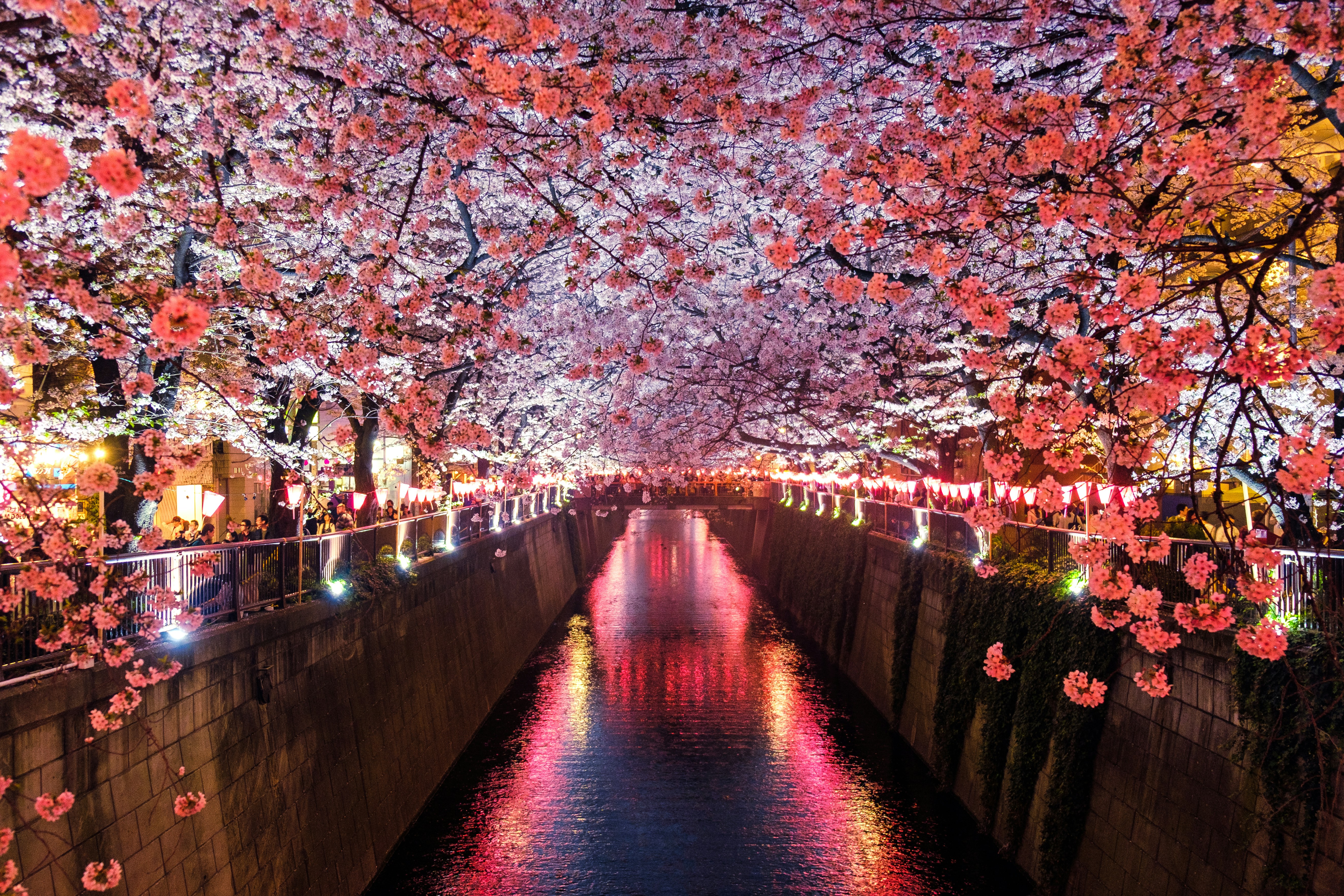
Japan presents a remarkable juxtaposition of historic Shinto shrines and contemporary cityscapes, fostering a seamless travel experience. From immersing yourself in authentic ramen establishments to appreciating the serenity of flowering cherry trees in peaceful settings, visitors consistently find a unique, cinematic atmosphere.
VisaFast is designed to simplify your Japan visa application experience.
When submitting a Japan visa application, meticulous preparation and adherence to the requirements established by the Embassy of Japan are paramount. A particularly crucial component of this application is the Japan visa cover letter. This formalized correspondence formally introduces your application while concurrently detailing the objective of your visit, providing a comprehensive travel itinerary, presenting demonstrable evidence of financial solvency, and furnishing corroborating supportive documentation—all carefully presented to substantiate your eligibility for entry into Japan.
A thoughtfully composed cover letter significantly strengthens your visa application, strategically summarizing your itinerary and enabling visa officers to thoroughly assess the reasoning behind your trip, evaluating your conformity with all pertinent criteria for visa approval.
Throughout this guide, we’ll offer detailed instruction on developing a clear, persuasive, and well-structured cover letter—essential when applying for a Japan visa.
Key Elements for a Japan Tourist Visa Cover Letter
A comprehensive cover letter for a Japan tourist visa is crucial to bolstering your application by explicitly detailing your travel objectives, demonstrable financial capacity, and demonstrated intention to return to India upon completion of your intended visit. The following sections should be addressed within the letter to adequately support your visa application:
“Clearly state the purpose of your trip and the duration of your intended stay in Japan.”
“Provide a detailed itinerary outlining your planned activities and locations within Japan.”
“Specify your financial resources, documenting sources of funds and sufficient balances to cover travel expenses and accommodation during your trip.”
“Demonstrate your ties to India, outlining your employment status, property ownership, family connections, or other factors signifying your intent to return.”
“Affirm your understanding of Japanese visa regulations, including entry and exit requirements, and your commitment to adhering to all rules and laws.”
1. Trip Intention
Your application must clearly state the reason for your visit to Japan. The visa officer requires a concise explanation of your purpose to assess your eligibility accurately.
Example: “I am submitting this application for a Japan tourist visa for a ten-day visit intending to primarily observe significant historical sites, experience Japanese cuisine, and engage with Japanese culture throughout destinations including Tokyo, Kyoto, and Osaka.”
2. Proposed Travel Dates
It is essential to provide precise commencement and termination dates for your trip. Such detail offers the consulate insights into the intended visa duration you are seeking.
Instance: “The proposed travel period commences on November 25, 2025, and concludes on December 5, 2025, following which transit will return to [my country].”
3. Financial Evidence
Applicants must detail their proposed funding source for the trip, specifying whether it is self-funded, supported by a family member, or through another arrangement. For self-employed individuals or freelancers, it is required to outline the occupation, primary income stream, and furnish relevant financial documentation in support of this information.
Example: “I operate as a freelance content strategist and hold assets within mutual funds. I have submitted recent bank statements, most recent tax returns, and professional certification details to demonstrate adequate financial resources covering the proposed travel period.”
4. Accommodation and Travel Plans
Detail your proposed travel itinerary and confirm hotel reservations. Describe your journey, specifying destinations, dates, and lodging arrangements. Providing this information demonstrates sufficient planning and a reasonable understanding of the intended trip.
Example: “Day 1: Arrival in Tokyo, check-in to the hotel, followed by a relaxed evening exploring Shinjuku Gyoen National Garden.”
“Day 2: Immerse yourself in the interactive art installations at TeamLab Planets, subsequently exploring the distinctive boutiques and trends of Harajuku and Omotesando.”
“Day 3: Utilize the Shinkansen to travel to Kyoto. Visits will include the Fushimi Inari Shrine. A traditional ryokan will accommodate your night’s stay.”
“Day 4: Commence your day touring Ninenzaka and Sannenzaka, proceeding to Osaka in the evening for a culinary exploration of Dotonbori’s street food scene with accommodations near Namba.”
5. Establishing Connections to India
Demonstrating your intention to return to India involves detailing personal and professional obligations, such as family ties, existing employment, sustained projects, or property ownership. Providing such information provides the consulate with assurance regarding your adherence to visa requirements.
For instance: “I reside with my family in Gurgaon, Haryana, and I am engaged in managing several long-term contracts. I confirm my commitment to return to India upon completion of my authorized stay.”
6. Contact Details
Please provide your full name, passport number, telephone number, and email address. This information will facilitate communication with the consulate should further clarification be required.
7. Supporting Documentation
Please detail all documentation submitted in support of your visa application. Providing comprehensive documentation demonstrates preparation and promotes transparency.
Example: “Supporting documents attached include copies of flight itineraries, hotel reservations, bank account statements, income tax returns, travel insurance policies, and scanned passport pages.”
Guidance on Crafting a Japan Visa Cover Letter
A well-prepared cover letter is a significant factor in the Japan visa application process. It provides an opportunity to detail the purpose of your travel, clarify financial support arrangements, and affirm your intention to adhere to Japanese immigration regulations and return to India. The following guidelines offer recommendations for constructing a concise and effective cover letter:
- Clearly state the reason for your visit to Japan.
- Provide comprehensive details regarding the means by which your travel expenses will be financed, referencing relevant financial documentation.
- Explicitly state your commitment to complying with all applicable Japanese laws and regulations during your stay, emphasizing your intention to depart Japan prior to the expiry of your visa. Supporting documents outlining the rationale for your travel should be included with the application.
1. Provide Concise Information
Your letter should be focused and direct. Clearly state the reason for your travel to Japan, the dates of your trip, your proposed travel itinerary, and the source of funds for your expenses. Utilizing straightforward language simplifies the visa officer’s assessment of your application and the objective of your visit.
2. Be Polite and Professional
You don’t need to sound overly formal, but maintain a respectful and sincere tone. This is an official letter, so strike a balance between being warm and professional.
3. Verify Accuracy of Information
Carefully confirm the correctness of your proposed travel dates, passport number, and all personal details provided. Errors, however minor, may cause processing delays or create potential for misunderstanding.
4. Mention the Documents You’re Attaching
It helps to include a line or two about the key documents you’ve added to your application, like bank statements, flight bookings, hotel reservations, or income proof. This gives the person reviewing your file a quick overview.
5. Use Simple Language
You don’t need to use big words or complicated sentences. Just write as if you’re explaining your plan to someone who is helpful but unfamiliar with your trip. Clear, simple writing conveys your point more effectively.
6. Personalise Your Letter
Instead of copying a generic template, make the letter your own. Add personal details about your trip - where you’re going, who you’re travelling with, etc. It makes your application feel more genuine.
7. Make Sure It Looks Neat
Finally, keep the formatting clean. Use a readable font, space your paragraphs well, and avoid clutter. A well-laid-out letter is easier to read and leaves a better impression.
Sample Tourist Visa Application Letter – Japan
[Your Full Name] [Your Complete Address] [City, State, PIN Code] Phone: [+91-XXXXXXXXXX] Passport Number: [Your Passport Number] Date: [DD Month YYYY]
To, The Visa Officer Embassy/Consulate of Japan [City Name]
Subject: Application for a Short-Term Tourist Visa to Japan
Dear Sir/Madam,
This letter serves as an application for a short-term tourist visa for travel to Japan. I intend to travel from [Start Date] to [End Date] solely for tourism and cultural experiences.
My planned itinerary includes visits to key locations such as Tokyo, Kyoto and Osaka. Specific destinations of interest consist of visits to locations including TeamLab Planets and Senso-ji Temple in Tokyo, the Fushimi Inari Shrine, and the Ninenzaka district in Kyoto, as well as exploration of the Dotonbori area in Osaka. Accommodation arrangements are confirmed at [Hotel Name] in Tokyo, [Hotel Name] in Kyoto, and [Hotel Name] in Osaka. A comprehensive day-by-day travel itinerary is attached for your review.
I am currently employed as a [Your Job Title] at [Your Company Name] and have received approved leave for the duration of this trip. Financial support for this visit is entirely self-funded. As evidence of my financial capabilities, I have included recent bank statements, income tax returns, and copies of payslips dated [Insert Period - 3 months].
I possess significant connections to [my country], including stable employment and close family ties designed to support my return following the trip’s conclusion.
The following documents are accompanying this application:
- Original and copies of valid passport.
- Two recent passport-sized photographs.
- Confirmed flight booking confirmations.
- Hotel reservation details.
- Day-wise travel itinerary.
- Employment verification letter from [Your Company Name].
- Evidence of financial resources, including recent bank statements covering [Period - 6 months] and income tax returns.
- Travel insurance policy.
I respectfully submit this application for your favorable consideration, requesting a short-term tourist visa to Japan. Thank you for your attention to this matter.
Yours sincerely, [Your Full Name]
Frequently Encountered Errors in Japan Tourist Visa Applications
Submitting a comprehensive cover letter is a crucial step in the visa application procedure. Applicants seeking a Japan tourist visa should avoid several prevalent errors to increase the likelihood of approval.
1. Missing or Incorrect Information
Leaving out important details like travel dates, hotel names, or an itinerary, or worse, having inconsistent info across documents, can hurt your chances.
2. Too Long or Too Short
Aim for a one-page letter. Too much fluff loses focus, too little misses key details.
3. Informal Language
Avoid casual phrases, slang, or overly emotional language. Keep your tone polite, clear, and formal, just like a professional letter.
4. Vague Travel Plans
Don’t just say “vacation in Japan.” Be specific. List the cities you’re visiting and the key places on your itinerary.
5. Avoiding Financial Disclosures
Applicants are required to clearly indicate whether the trip is self-funded or if it is being sponsored, accompanied by relevant financial documentation to substantiate this declaration.
6. No Proof of Ties to Your Home Country
The embassy wants to know when you’ll return. Mention your job, family, property, or anything that shows strong roots in [your home country].
7. Not Listing Attached Documents
Help the officer by briefly listing the documents you’re submitting, like your flight bookings, bank statements, or hotel reservations.
8. Typos and Grammar Errors
Small mistakes can leave a bad impression. Always proofread before sending.
9. Improper Embassy Communication
Carefully address your correspondence to the appropriate Japanese Embassy or Consulate where you are submitting your visa application. Avoid general salutations, such as “To Whom It May Concern.”
During the period between January and May 2025, approximately 142,400 Indian travelers visited Japan, representing a substantial increase of 39.6% compared to the same timeframe in 2024, which documented 102,100 Indian visitors, as reported by CNBC.
A comprehensive Japan visa cover letter is a critical component of your overall visa application. It formally establishes your travel intentions, emphasizing significant details encompassing your planned itinerary, demonstrated financial resources, and established connections to your country of residence. Maintaining a concise, professional, and consistent letter—aligned with the data detailed in your associated application documents—significantly strengthens your prospects for positive processing outcomes. Guarantee the document is free of errors and reflects the information previously recorded within the visa application forms.
What is a Japan visa cover letter and why is it important?
A visa cover letter for Japan serves as a formal document accompanying your visa application. It should comprehensively detail the applicant’s travel purpose, encompassing a proposed itinerary and clear statements regarding available financial resources to support the trip. The letter also requires a definitive declaration of the applicant’s intent to return to India after the authorized duration of their stay. This document assists consular officers in evaluating your application against Japanese immigration requirements and determining your eligibility for a visa.
How long should a Japan visa cover letter be?
Ideally, your cover letter should be one page in length. It is important to maintain a concise and focused presentation, detailing only the essential information and excluding extraneous details.
Is it necessary to mention my travel itinerary in the cover letter?
Including a detailed day-by-day itinerary or description of your planned activities within Japan demonstrates a considered and organised approach to your travel plans.
Should I list my hotel bookings in the Japan visa cover letter?
Providing details regarding your confirmed or planned accommodations serves to substantiate your travel itinerary and contributes as corroborating evidence.
Do I need to include financial details in the cover letter?
Absolutely. Mention how you plan to fund your trip (self-funded or sponsored), and refer to the attached documents like bank statements or income proof.
Is it mandatory to include my passport number in the cover letter?
Yes, adding your passport number ensures your cover letter is properly linked to your application and identity.
Can I use a cover letter template for a Japan tourist visa?
Yes, you can use a template for structure, but always customise it to reflect your personal travel plans and circumstances.
What tone should I use in my Japan visa cover letter?
Maintain a formal and respectful tone. Avoid casual language, slang, or emotional language. Think of it like writing a professional letter.