
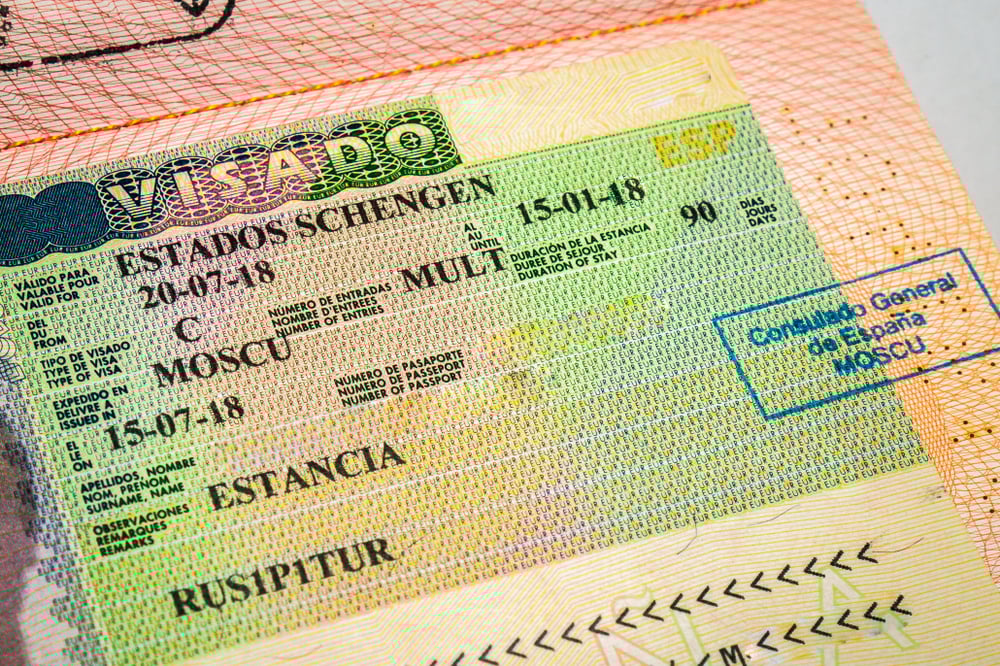
The Schengen visa framework has long been a cornerstone of seamless European travel. For every nationality eligible, the rules and structures determining the duration of their Schengen visas are becoming more transparent, thanks to the introduction of the cascade regime. The European Commission implemented new regulations regarding issuing multiple-entry Schengen visas. This structured approach rewards responsible and compliant travellers with progressively longer visa durations, offering convenience and a clear incentive for maintaining a good travel record.
In this comprehensive guide, we will dive deep into the mechanics of the cascade regime, explore how it determines the length of Schengen visas, and provide actionable insights on how travellers can navigate this system effectively.
If you are a visual learner, here is our YouTube video on getting a long-term Schengen visa.
Overview of the Cascade Regime
The cascade regime is a tiered visa issuance system introduced by the European Union to streamline visa decisions. Designed to reduce administrative burdens while encouraging responsible travel, the regime determines the duration of Schengen visas based on an applicant’s travel history, compliance with visa conditions, and intent.
Under the cascade regime:
First-time travellers are typically granted short-term, single-entry visas.
Regular and compliant travellers progress to multiple-entry Schengen visas valid for two years.
Frequent and trustworthy travellers can eventually qualify for a five-year multiple-entry Schengen visa.
This regime provides predictability to applicants and aligns with the EU’s efforts to foster closer economic and cultural ties with countries like India, where outbound tourism to Europe is steadily rising.
How the Cascade Regime Works?
Type 1: Initial Visa (Short-Term Single-Entry)
Eligibility: Suitable for applicants with limited prior international travel experience or those seeking a first visa.
Duration: Typically corresponds to the duration of the intended travel itinerary. An application for a 15-day trip will generally result in a 15-day visa.
Type: This visa is predominantly issued as a single-entry visa, restricting subsequent re-entry into the Schengen Area after departure.
Purpose: The initial visa serves as a preliminary assessment by the consulate, evaluating the applicant’s travel intentions and adherence to immigration regulations.
Important factors to consider when applying for an initial visa include:
A detailed travel itinerary, supported by confirmed flight and accommodation bookings.
Demonstrable financial stability, verifiable employment, or established connections to one’s home country.
A compelling justification for the purpose of the trip.
Type 2: Two-Year Multiple-Entry Schengen Visa
Once an applicant successfully utilises two short-term visas within three years, they may qualify for a two-year multiple-entry Schengen visa.
Eligibility Criteria:
Proof of two prior Schengen visas, used without violations such as overstaying or working without authorisation.
Clear documentation of legitimate reasons for frequent travel (e.g., business meetings, tourism, or family visits).
Key Benefits:
Multiple entries are allowed for two years, subject to the 90/180 rule.
Simplifies travel plans by reducing the need for repeat applications.
Purpose:
- It is designed for individuals who demonstrate regular and responsible travel habits.
Type 3: Five-Year Multiple-Entry Schengen Visa
The ultimate reward for travellers who comply with all visa conditions while using their two-year visa is a five-year multiple-entry Schengen visa.
Eligibility Criteria:
Successful use of a two-year visa without incidents.
Evidence of frequent travel to the Schengen Area for legitimate reasons.
Strong ties to the home country to mitigate the risk of overstaying.
Key Benefits:
Offers unparalleled flexibility for business or leisure travel across the Schengen Area.
Reduces administrative efforts for both the traveller and consulates.
The 90/180 Rule
Even with long-term visas under the cascade regime, travellers are subject to the 90/180 rule. This means:
You can spend a maximum of 90 days in the Schengen Area within any rolling 180-day period.
Compliance is essential, as overstaying can jeopardise eligibility for future visas.
The short-stay calculator the European Commission provides is invaluable for managing travel within this framework.
What are the Factors Influencing Visa Length Under the Cascade Regime?
1. Travel History
A well-documented travel history is crucial:
First-time applicants often receive short-term, single-entry visas as a precaution.
Frequent travellers with a compliance record are more likely to progress to multiple-entry visas.
Travel to other regions (e.g., the USA, UK, or Australia) can also positively impact visa decisions.
2. Compliance with Visa Conditions
Strict adherence to the 90/180-day rule is mandatory.
Any period of overstay, including a single day, may result in future visa denials or permanent bans.
Significant misuse of a Schengen visa (such as unauthorized employment) is a serious cause for concern and may lead to visa refusal.
3. Purpose of Travel
Short-term visas are typically granted for particular activities, including tourism or business-related engagements.
Individuals with demonstrable justifications for repeated travel—for instance, multinational employees—are generally more suitable candidates for extended visa durations.
4. Ties to Home Country
Strong ties, such as stable employment, property ownership, or family commitments, indicate a low risk of overstaying.
Consulates may scrutinise these factors more closely for first-time applicants.
5. Financial Stability
Bank statements, income tax returns, and sponsorship letters are key determinants of the duration of a visa.
Applicants must demonstrate sufficient funds to cover travel expenses and accommodation to increase their likelihood of receiving a positive visa decision.
Understanding the Advantages of the Cascade Regime
Streamlined Transition to Permanent Visas: The cascade regime establishes a defined process for transitioning from temporary to permanent visa status.
Minimized Administrative Requirements: Individuals holding long-term visas experience reduced processing times and simplified procedures, allowing consular authorities to concentrate on new applications or complex cases.
Increased Travel Mobility: Multiple-entry Schengen visas, facilitated by the cascade regime, enable travelers to undertake spontaneous journeys without requiring prior authorization.
Promoting Adherence to Visa Conditions: The possibility of extended visa durations motivates travelers to consistently comply with all visa stipulations and conditions.
Key Difficulties and Concerns Related to the Cascade Regime
Variations in Consular Implementation: Despite being a standardized policy, the application of the cascade regime demonstrates inconsistencies across different Schengen countries. Reports indicate differing visa duration approvals for applicants with comparable profiles.
Demanding Initial Assessments: New applicants frequently undergo rigorous evaluations, making it difficult to secure short-term visas.
Lack of Applicant Understanding: Many travellers lack awareness regarding the advantages of the cascade regime, which can negatively impact their application approach.
Persistent Misinterpretation of Time Limits: A continuing issue is the misunderstanding of the 90/180-day rule, even amongst experienced travelers.
Key Strategies for Managing the Cascade Regime
Initiate with Limited-Duration Visits: Establish a solid travel record by undertaking one or two short-term Schengen visits. Strict adherence to visa stipulations is essential.
Preserve Comprehensive Records: Maintain copies of prior visas, immigration entry and exit stamps, and detailed travel schedules. All application submissions must present accurate and verifiable information.
Illustrate Robust Connections to Your Home Country: Emphasize employment status, familial responsibilities, or property holdings to provide assurance to consular authorities regarding your intention to return.
Utilize the European Commission’s Short-Stay Rule Checker: Regularly monitor compliance with the 90/180-day rule using the tool provided by the European Commission.
Remain Vigilant Regarding Regulatory Updates: Stay informed about modifications to the Schengen visa regulations and guidelines disseminated by official governmental sources.