
Singapore consistently ranks as a leading tourism destination in Southeast Asia, boasting a favorable climate, numerous vibrant festivals, and internationally recognized attractions accessible year-round. Decisions regarding optimal travel timing are often personal, as there isn’t a definitively “bad” season to visit Singapore – ideal timing to explore this country varies contingent on individual travel preferences. Each season offers distinct events, festivals, and weather patterns, impacting the overall visitor experience.
Exploring Singapore showcases an array of notable sights, incorporating gleaming urban areas and serene garden spaces alongside lively cultural zones and acclaimed street food offerings. The following provides information regarding opportune times for visiting Singapore, highlighting anticipated conditions, and practical packing guidance for an exceptional journey. Considering my two previous visits to Singapore, an outstanding experience can be authentically confirmed in the Lion City.
Planning Your Trip to Singapore: Considerations for Weather Conditions
Singapore maintains a tropical climate with minimal seasonal variations due to its position just north of the equator, resulting in consistently warm and humid conditions, accompanied by occasional rainfall. Average temperatures generally range from 25°C (77°F) to 31°C (88°F). Singapore experiences two primary climate periods: the dry season and the monsoon season.
Dry Season (February – August): Characterized by reduced rainfall and milder evenings ideal for outdoor activities such as exploring markets and gardens and participating in local festivals.
Monsoon Season (November – January): Defined by frequent heavier rainfall and elevated humidity, concurrent with intensified cultural events and festivals. This period is typically associated with enhanced indoor recreational opportunities, including museum visits.
When budgeting for your trip, it’s important to note that international travel demand is high during certain peaks in tourism – namely, February to April, June to August, and December. During these times, hotel rates tend to increase by approximately 20-30% due to heightened demand linked to peak travel months (February to April, June to August, and December) and events such as the Chinese New Year and the Formula 1 (F1) Night Race.
Peak travel months (February to April, June to August, December) generally correlate with increased lodging costs (expect upwards of 20-30% increases).
Travel periods between September and November may demonstrate decreased airfares and room costs.
Best Time to Visit Singapore Based on Weather & Outdoor Activities
February to April: Optimal Period for Outdoor Activities (Peak Season)
Climate: During this period, average temperatures typically fluctuate between 24°C to 31°C (75°F to 88°F), characterized by humidity levels approximately between 70-80%.
This timeframe is frequently regarded as the optimal moment for visiting Singapore, attributable to markedly reduced rainfall and improved weather conditions. Consequently, it is well-suited for outdoor recreational pursuits. It is important to note that visitor volumes are higher during this season, potentially resulting in increased hotel rates and fluctuating airfare costs.
Recommended Activities:
Explore Gardens by the Bay: Take a walk through the Supertree Grove and witness the spectacular illuminated light show which is typically held in the evening.
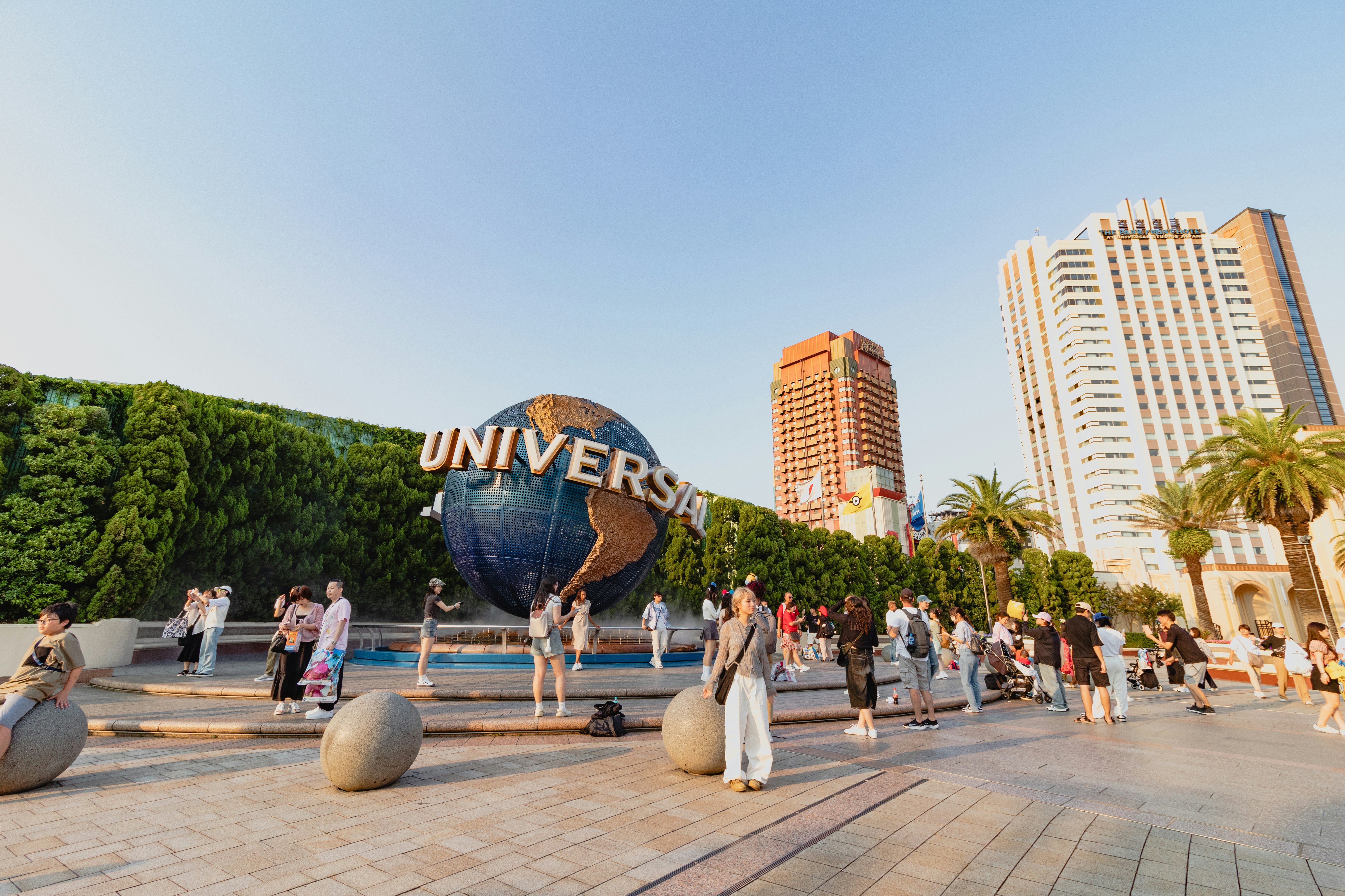
Visit Sentosa Island: This island is well-suited for relaxation, engagement in water-based activities, or the enjoyment of attractions such as Universal Studios Singapore.
Singapore National Zoo and Night Safari: Visitors can traverse the verdant, expansive enclosures while experiencing wildlife observation—the visibility is improved during periods of clear twilight.
Marina Bay Sands SkyPark Observation Deck: Guests will possess complimentary access to overlook panoramic vistas which allows visitation even considering impending shower events or weather concerns regarding possible sudden rainfall interruptions, thus minimizing wet weather inconvenience
Visit East Coast Park: Offering areas suitable for arranging impromptu beachfront meals via self-provisioned dining, the attraction features potential for engaging in casual cycling endeavors as well as options for rollerskating adventures upon the sandy beach.
Pulau Ubin Recreational Trip: Visitors should plan this activity in regard to fully exploiting a natural tourism encounter representing rural experiences; the visit supports Singapore’s legacy of tourism and cultural attractions offering the experience relevant due diligence for safety of visitors.
Recommended Attire and Packing Essentials:
- Pack lightweight cotton garments, including sunglasses and sunscreen, suitable for daytime wear.
- Bring a light jacket to accommodate cooler temperatures commonly found inside buildings, such as shopping malls and cinemas.
- Ensure you have comfortable walking shoes to facilitate tours and exploration of urban environments.
May to July – Peak Season (Hot and Humid Weather)
Weather: The period from May to July is characterized by warmer temperatures, typically ranging from 26°C to 32°C (79°F to 90°F). High humidity levels persist, averaging 75-85%.
During this period, which falls within the peak season, significant discounts are widely available during the Great Singapore Sale, concentrated across numerous malls and retail outlets. These months are specifically suited for visitors interested in substantial purchasing opportunities. While largely dry, the weather tends to become hotter during June and July, usually accompanied by brief, sporadic afternoon and evening rainfall events in Singapore.
Recommended Activities:
Engage in Retail Therapy: Locations such as Orchard Road, Marina Bay Sands, and Bugis Street offer extensive shopping opportunities.
Attend Cultural Festivals: Events like Hari Raya Puasa and Vesak Day present significant cultural celebrations within the urban environment, reflective of Singapore’s diverse populace.
Exploration of Cultural Centers: Discovering Chinatown and Little India proves effective during periods with reduced rainfall, enabling focused examination of these historically significant sectors.
Water-Based Recreation: Options including kayaking, paddleboarding, or a visit to Adventure Cove Waterpark provide opportunities for water-based activities.
Museum Visits: The National Museum of Singapore, ArtScience Museum, and Peranakan Museum offer suitable venues for visiting during warmer periods.
District Exploration: Haji Lane & Kampong Glam: This locale features diverse independent retailers and contemporary café concepts.
Recommended Attire and Packing Suggestions:
- Pack light, breathable fabrics suitable for warm weather.
- Include an umbrella or hat to mitigate sun exposure.
- Allocate sufficient space within your baggage for any potential acquisitions.
August to October – Ideal for Culinary Exploration & F1 Viewing (Transition Season with Rainfall)
Climate: The period from August to October typically experiences warm and humid conditions, with daytime temperatures ranging from 25°C to 31°C (77°F to 88°F) and considerable humidity often observed (80-90%).
For individuals passionate about food, these months represent an exceptionally appealing time to visit Singapore, aligning with the occurrence of the esteemed Singapore Food Festival. This event showcases the breadth of the country’s culinary traditions, providing opportunities to examine well-known local specialties – including Singapore Chilly Crab, Oyster Omelettes, Hainanese Chicken Rice, and Laksa (a spicy noodle preparation).
Additionally, Singapore hosts the Formula 1 Singapore Grand Prix during September, welcoming international motorsport enthusiasts, with anticipated periods of rainfall.
Recommended Activities:
Sample Local Cuisine: Key dishes to experience include Hainanese chicken rice, laksa, chili crab, and satay.
Explore Hawker Centres: Numerous hawker markets provide accessible and flavorful dining options. Maxwell Food Centre and Lau Pa Sat are notable locations, offering extended hours.
Attend the Formula 1 Singapore Grand Prix: This provides opportunities to witness racing events combined with live concerts and associated festivities.
Discover Singapore’s Rooftop Bars: Options for nightlife include establishments located in Clarke Quay and within the Marina Bay area.
Take a Journey Along the Singapore River: An opportunity to observe Singapore’s urban landscape from the waters.
Walk the Southern Ridges Trail: This trail features noteworthy scenery and natural landscapes.
Recommended Attire & Packing Essentials:
- Consider packing relaxed, comfortable clothing suitable for exploring food markets and local vendor stalls.
- If your accommodation is situated in close proximity to Formula 1 race circuits, we recommend bringing earplugs to mitigate potential noise disturbances.
- Comfortable sneakers or sandals are advisable for navigating routes between varied race locations and related activities.
November to January – Seasonal Variations (Moderate to High Season, Increased Rainfall)
Weather Conditions: This timeframe corresponds to Singapore’s monsoon season, characterized by a prolonged period of rain. November and December typically experience a higher frequency of showers, with average temperatures fluctuating between 23°C and 30°C (73°F to 86°F) and encompassing humidity levels between 85% and 95%.
During this period, considerable rainfall is expected. However, the timeframe coincides with significant cultural celebrations including Diwali, Christmas, and Chinese New Year contributing notably to overall tourist activity. Prospective applicants should factor in increased potential for inclement weather and associated logistical considerations when planning their trips. Certain activities—such as outdoor travel—may necessitate careful consideration and alternative planning.
Recommended Activities:
Christmas Wonderland at Gardens by the Bay: Experience immersive light displays, opportunities for ice skating, and participation in vibrant holiday markets.
New Year’s Eve Celebrations at Marina Bay: Observe elaborate fireworks displays alongside energetic New Year’s Eve festivities.
Orchard Road Christmas Light Display: Admire one of Asia’s most impressive selections of decorative Christmas illuminations.
Explore Indoor Attractions: Consider visits to the S.E.A Aquarium, the ArtScience Museum, or the Museum of Ice Cream as alternatives to inclement weather.
Chinatown Chinese New Year Market: Witness the energetic environment of the Chinese New Year Market filled with characteristic decorations and festive lion dances, complemented by available food and snack options.
Sample Festive Culinary Treats: Discover regionally prepared seasonal confections such as bak kwa (grilled savory meat strips) or pine-apple filled pastries.
Recommended Attire and Packing Items:
- It is advisable to bring a lightweight, waterproof rain jacket or a compact, foldable umbrella.
- Waterproof footwear, such as shoes or sandals, is essential.
- Pack quick-drying apparel to maintain comfort during periods of humidity and potential rain.
Month-by-Month Guide to Plan an Epic Trip to Singapore
January: Commemorations and Traditional Festivities
Average temperature: 26°C – 31°C, Relative Humidity: 84%
January observes significant cultural observances and local festivals within Singapore. The climate during this period is predominantly warm and humid, characterized by occasional rainfall. Due to reduced precipitation, January generally presents favorable conditions for outdoor events. Notably, the Chinese New Year provides opportunities for immersive exploration of Chinatown, typically featuring lion dances and diverse culinary experiences. Furthermore, the Pongal Festival coincides with the vibrant displays in Little India and marks traditional Indian harvest celebrations held at prominent locations such as the Sri Senpaga Vinayagar Temple.
February: Ideal Conditions for Sightseeing
Typical Temperature Range: 25°C – 32°C, Relative Humidity: 80%
February generally presents favorable weather conditions throughout Singapore. A prominent feature during this month is the Chingay Parade, Singapore’s significant street parade comprising impressive performances and visually striking floats. Many travellers cite February as the optimum time for visiting Singapore.
Taking advantage of typically pleasant weather conditions facilitates organised recreational activities. Potential options extend to enjoying Sentosa Island, including sunbathing and participation in attractions such as Universal Studios Singapore and Adventure Cove Waterpark. Alternatively, visiting Gardens by the Bay is possible combined with a picnic at Marina Barrage.
March: Optimal Travel Season – Culture and Natural Attractions
Typical Temperature Range: 25°C – 32°C, Relative Humidity: 82%
March represents a favorable period for visiting Singapore, offering opportunities for outdoor recreation and exploration of its diverse attractions. Singapore hosts significant artistic events including the Singapore Festival of Arts and i Light Singapore, a comprehensive light art festival focused on sustainability situated within Marina Bay. Nature enthusiasts can participate in hiking activities at MacRitchie Reservoir and traverse the Treetop Walk.
Culturally, visitors can explore Kampong Glam and Haji Lane, renowned for distinctive street art installations, independent retailers, and a significant historical background. Dining options are abundant along Arab Street, offering opportunities to sample dishes such as kebabs and shawarma, consistent with local culinary traditions.
April – Suitable for Exploration
Typical Temperatures: 26°C - 32°C, Relative Humidity: 84%
April offers favorable weather conditions for experiencing Singapore’s attractions. During Hari Raya Puasa, visitors can explore Geylang Serai, which is typically decorated with seasonal illuminations and features marketplaces offering traditional Malay snacks and culturally-themed merchandise.
Individuals interested in avian species should consider a visit to Jurong Bird Park, located within carefully designed habitats containing various exotic birds. Furthermore, families or wildlife lovers can spend a day at the Singapore Zoo, presenting opportunities for immersive rainforest expeditions and interaction with its resident animal population.
May: Weather Considerations and Local Experiences
Typical Temperature Range: 26°C – 32°C; Relative Humidity: 84%
During May, Singapore typically experiences higher relative humidity levels accompanied by increased probability of afternoon rainfall. However, this weather condition should not impede exploration activities. Prospective visitors can readily investigate the diverse retail offerings available along Orchard Road. The month marks Vesak Day, fostering traditional celebrations at Buddhist temples, often characterized by organized candle-lit processions. Culinary experiences can be sought-after at local culinary institutions like Maxwell Food Centre, and those available to savour esteemed Michelin-starred eateries across the region. Island excursions are also available, including transportation with Ferry service options to Pulau Ubin for engagements like discovering Kampong life and the area’s trail system, leveraging pedestrian and bicycle travel.
June: Retail and Cultural Experiences in Singapore
Typical Weather Conditions: Average temperature ranging from 26°C to 31°C with approximately 84% humidity.
June presents significant opportunities for retail shopping throughout Singapore, primarily centered around the Great Singapore Sale (GSS), which typically features discounted prices across major shopping areas like Orchard Road. Residents and visitors also have the chance to participate in the annual Dragon Boat Festival, which typically entails observing boat races held at Marina Reservoir.
During your time in Singapore focusing on retail experiences, consider visiting attractions such as the Museum of Ice Cream. Concurrently, following a full day of shopping and exploration, relaxing evenings can be experienced at locations such as Clarke Quay, offering Singapore’s nightlife landscape, including rooftop bars and riverfront leisure venues.
July – Notable Events and Climate Conditions
Typical Climate: July in Singapore observes average temperatures ranging from 26°C to 32°C, accompanied by approximately 84% humidity. Rainfall remains a possibility during this period.
During July, Singapore hosts the Singapore Food Festival, featuring a diverse selection of local and international culinary offerings. Exploration of areas such as Little India and Arab Street is recommended to experience their distinct cultural environments.
For those seeking to enjoy experiences amidst potential rainfall, Adventure Cove in Sentosa presents an option for aquatic entertainment.
August – National Events and Leisure Activities
Typical Weather Conditions: Average temperature ranges from 26°C to 31°C with an average humidity level of 85%.
August in Singapore emphasizes significant national events and opportunities for recreational activities. Commemorate Singapore’s National Day on August 9th through attendance of the Republic’s National Day Parade alongside the scheduled evening fireworks display which is typically hosted over Marina Bay. Individuals interested in examining local folklore should consider a visit to Haw Par Villa area during the observances of the Hungry Ghost Festival. This location encompasses depictions relating to Chinese mythological traditions.
Alternatively, enjoying Singapore’s waterways can be an option with consideration to participate in organised Singapore River Cruises focusing on showcasing key points across city landmarks and sights.
September – Enhanced Events and Cultural Celebrations
Average Temperature: 26°C - 31°C, Relative Humidity: 84%
Singapore experiences a shift toward wetter conditions in September, yet the month presents strong opportunities for engagement in notable events and culturally rich activities. A prominent occurrence is the Singapore Grand Prix, a world-renowned Formula 1 night race complemented by high-profile concerts— the sole such race of its kind globally. Concurrently, the Mid-Autumn Festival imbues Chinatown with a spectacular visual display as the area takes on an illuminated ambiance through the presence of intricate lanterns and mooncakes.
Exploring this blend of nature experiences remains appealing for visitors, with a notable option to engage with panoramic viewpoints during travel along the Southern Ridges and visit the local green spaces .
October – A Month Featuring Cultural and Entertainment Options
Typical Temperatures: 26°C – 31°C, Relative Humidity: 84%
October presents significant opportunities to explore Singapore’s diverse cultural landscape. Deepavali, or the Festival of Lights, predominantly displays celebrations in Little India with elaborate decorations and vibrant markets. Seeking amusement, visitors can partake in Universal Studios Singapore’s annual Halloween Horror Nights offering immersive, themed scares. Singapore’s cultural offerings are also bolstered by the option to visit Gillman Barracks exploring varied contemporary art exhibitions housed within several galleries. Alternatively, prospective visitors may dedicate a portion of the day to gaining insights from the documented history of Peranakan culture, via, the Peranakan Museum.
For adventurous individuals an unique activity is a visit to iFly Singapore, for the experience of indoor skydiving.
November – Precipitation and Holiday Activities
Average temperature: 24°C - 30°C, Humidity: 86%
The monsoon season typically commences in November in Singapore. Therefore, prospective visitors planning a trip during this period are advised to prioritize indoor attractions. Opportunities include touring the city’s museums, such as the National Gallery, and attending the Singapore Writers Festival, which features author discussions and literary events.
December – Christmas Magic and New Year Festivities
Average temperature: 23°C - 30°C, Humidity: 86%
Despite the showers washing the city during this time, December is one of Singapore’s brightest and happiest months. It’s the time when the entire country turns into a Christmas wonderland, with Gardens by the Bay hosting dazzling winter-themed shows, and Universal Studios has fun Christmas activities. Orchard Road gets a makeover with fancy lights and elaborate Christmas decorations, creating a magical holiday atmosphere. You can smell the aroma of freshly baked gingerbread while passing by the bakeries, and might get a sugar overdose!
As the year ends, join the New Year’s Eve countdown at Marina Bay and witness spectacular fireworks lighting up the sky.
Important Travel Considerations:
- It is advisable to reserve hotel accommodations in advance, particularly during peak travel periods spanning February to April, June to July, and December.
- Travel during off-peak seasons, between August and November, can provide more favorable rates for accommodations.
- Utilize public transportation services effectively; obtain an EZ-Link card for convenient access to the MRT and bus networks.
- Tailor your travel plans to account for weather patterns, integrating both indoor and outdoor activities accordingly.
Singapore offers diverse experiences across its calendar, catering to varied visitor interests encompassing adventure, cultural explorations, culinary opportunities, and celebratory festivities. Prospective visitors should proactively schedule their trip, anticipating an enriching encounter in this dynamic city-state.
Do I need a visa to visit Singapore?
Visa requirements are dependent upon your nationality.
Numerous countries, such as the USA, UK, EU nations, Australia, and Canada, permit visa-free entry for periods up to 30-90 days.
Indian applicants are generally required to apply for a visa prior to travel.
What should I pack for a trip to Singapore?
Singapore experiences a consistently warm and humid climate; therefore, appropriate packing is essential.
- Pack lightweight, breathable clothing, such as cotton or linen garments.
- Comfortable walking shoes are recommended for exploring the city’s attractions.
- Utilize sunscreen, sunglasses, and a hat to mitigate sun exposure.
- Carry a compact umbrella or raincoat due to frequent rainfall.
- It is necessary to bring a power adapter, as Singapore employs Type G electrical outlets, mirroring those used in the United Kingdom.
What are the must-try foods in Singapore?
Singapore offers a diverse culinary experience for visitors. Key dishes to sample include:
Hainanese Chicken Rice: Recognized as Singapore’s national dish.
Chili Crab: A prominent seafood dish that is highly recommended.
Laksa: A richly flavored noodle soup featuring a coconut-based curry.
Satay: Grilled meat served on skewers, traditionally with a peanut sauce.
Kaya Toast & Kopi: A traditional Singaporean breakfast option consisting of toast and coffee.
To experience authentic local cuisine, consider visiting popular hawker centres such as Maxwell Food Centre, Lau Pa Sat, and Tiong Bahru Market.
How much does a Singapore trip cost for Indian traveler's?
Your budget depends on the season, stay, and activities. Here’s a rough estimate for a 5-day trip per person:
1. Peak Season (Feb-Apr, June-Aug, Dec) – ₹1,20,000 - ₹1,80,000
✅ Flights: ₹25,000 - ₹40,000
✅ Hotels: ₹6,000 - ₹15,000/night
✅ Food: ₹1,500 - ₹2,500/day
✅ Transport & Activities: ₹20,000+
💡 Book early to save during F1, Great Singapore Sale & Christmas!
2. Shoulder Season (May, Sep-Nov) – ₹90,000 - ₹1,40,000
✅ Flights: ₹20,000 - ₹35,000
✅ Hotels: ₹4,500 - ₹12,000/night
✅ Food: ₹1,200 - ₹2,000/day
💡 Fewer crowds & occasional discounts on attractions!
3. Low Season (Jan, Mar, Oct, Early Nov) – ₹80,000 - ₹1,20,000
✅ Flights: ₹18,000 - ₹30,000
✅ Hotels: ₹3,500 - ₹10,000/night
✅ Food: ₹1,000 - ₹1,800/day
💡 Best for budget travelers, but expect monsoon showers!
Budget Tips:
✔️ Stay in Little India/Geylang for cheaper stays.
✔️ Eat at hawker centers (meals from ₹300).
✔️ Use MRT & buses (affordable & convenient).
✔️ Pre-book attraction tickets for deals.