
In recent years, specifically post-pandemic, solo travel has become more than just a trend; it has become a movement. According to Google Trends, searches for solo travel surged by 30.78% from 2022 to 2023, and while there was a slight dip in 2024, the overall interest remains significantly higher than in previous years.
The reason? Travellers are increasingly seeking freedom, self-discovery, and personalised experiences that align with their interests rather than compromising within a group. The pandemic has instilled a ‘YOLO’ mindset, encouraging spontaneity and the willingness to step outside one’s comfort zone. This shift, coupled with the rise of travel apps, AI-powered itineraries, digital nomad-friendly work environments, and improved safety measures, has made solo travel more accessible than ever!
As the solo travel movement grows, one continent continues to stand out: Europe. Europe remains the top choice with its well-connected transport networks, walkable cities, diverse cultural experiences, and safety and inclusivity! The 2024 Best Countries to Travel Alone rankings by U.S. News reinforce this, with four of the top five spots belonging to European nations.
So, if you’re planning your 2025 solo travels, here are the 7 best destinations in Europe to add to your bucket list:
Switzerland
Austria
Czechia
Iceland
Finland
Estonia
Slovenia
Important! Depending on your nationality, you might be required to apply for a Schengen visa, which is mandatory to enter all 7 countries listed above.
Let’s take a detailed look at why these countries are safe to visit, the best time to go, must-visit attractions, and essential tips to help you plan a smooth and hassle-free journey!
1. Switzerland
Switzerland is one of the safest countries in the world, making it a top destination for solo travellers in 2025. Ranked 6th out of 163 countries in the 2024 Global Peace Index, Switzerland has a low crime rate, political stability, and an overall peaceful environment.
Regarding road safety, Switzerland ranks high, with well-maintained roads and strict traffic regulations. Even in winter, roads are efficiently cleared of snow, and public transport remains reliable. Speaking of public transport, the famous Swiss Federal Railways (SBB) connects major cities and scenic countryside routes, allowing solo travellers to explore even the most remote alpine villages with ease.
Healthcare in Switzerland is also world-class, and all foreigners receive the same level of medical care as Swiss residents. When it comes to natural disasters, Switzerland is among the least risky countries globally. The 2023 World Risk Report places Switzerland in the bottom 15 out of 193 countries for disaster risk.
Although pickpocketing and petty theft can occasionally occur in tourist-heavy areas, it is nothing that you cannot avoid with standard precautions. Whether you are wandering through its picturesque cities or exploring the breathtaking Swiss Alps, you can feel secure at every step of your journey.
Top Destinations for Solo Travelers in Switzerland
Following a consideration of Switzerland as a secure and accessible destination for individual travelers, here’s a listing of the nation’s premier locations worthy of inclusion in your itinerary.
Zurich: As Switzerland’s largest city, Zurich provides an ideal introduction to the country. The city is characterized by its security and cleanliness alongside significant cultural opportunities. Visitors can explore the historically rich streets of the Old Town (Altstadt), examine remarkable exhibits at the Kunsthaus Zurich art museum, or unwind at the scenic shores of Lake Zurich. Zurich is additionally renowned for Bahnhofstrasse, recognized globally as one of the world’s most prestigious shopping avenues.
Interlaken: Suitable for adventure enthusiasts, Interlaken stands as a premier Swiss destination. Located between Lake Thun and Lake Brienz, it serves as a pivotal access point for dramatic alpine landscapes. Individuals might engage in activities such as paragliding over the Alps, enjoy the sport of canyoning, or experience the scenic journeys to Jungfraujoch, often referred to as the “Top of Europe”. Noteworthy is the region’s demonstrable safety record and well-structured operations.
Zermatt: To gain a memorable experience, a visit to Zermatt, a car-free mountain town, is suggested, characterized by tourism focussed upon ski excursions, hiking trails, scenic train undertakings, providing substantial photographic experiences with breathtaking surroundings. Ensure a journey utilizing the Gornergrat Railway undertakes a tour affording phenomenal scope, creating panoramas alongside opportunities around a visit to appreciate mountainous summits like the renowned Matterhorn.
Geneva: Predominantly acknowledged as the “capital of peace”, due to its affiliation with institutions including the United Nations and Red Cross, Geneva displays a strong association to universal global interests. Solo travelers who desire comprehensive opportunities can benefit by engaging in journeys regarding an investigation involving the Jet d’Eau’s iconic sculptural fountain features while extending activities to engaging exploration undertaken by extending time within areas focusing along pathways parallel to activities undertaken regarding routes extending from Lake Geneva complemented by opportunities along visits involving sites related to explorations made from related to activities involved regarding aspects along explorations involving the location which aligns along historical narratives established relating along history with the Red Cross which is well represented to a global scale.
Bern: The sovereign capitol area of Switzerland includes locations in Bern typically missed but valued for access and inclusion alongside related options that includes access as a related strategic selection considered during your trips by offering value along an addition or selection strategy and location alongside the key attributes of which provides additional related opportunities whilst offering established values amongst a selection set when planning trips related travel locations and activities. During travel selection choices should factor in locations and activity types offering enhanced choices or access relating options which facilitate opportunities whilst travelling when the conditions along related factors and activities and related conditions are deemed applicable.
Optimal Timing for Visiting Switzerland
Switzerland remains a desirable destination throughout the year; however, the highest periods for tourism are generally during the summer months (June through August) and the winter season (December to March). Summer offers ideal conditions for activities such as hiking and enjoying the scenery surrounding Swiss lakes, while winter is popular amongst visitors for skiing and snowboarding experiences, including attendance at seasonal Christmas markets.
Should you seek a reduced number of travelers and a more tranquil experience, the periods of spring (April to June) and autumn (September to November) provide appealing alternatives.
Essential Travel Recommendations for Independent Switzerland Visits
It is advisable to download the Alertswiss app to receive up-to-date weather advisories and safety notifications, particularly relevant during winter months.
Switzerland incurs significant travel expenses; therefore, thorough budgeting is advised, or consider utilizing city passes and the Swiss Travel Pass for potential discounts on transportation and attractions.
Leveraging public transportation presents the most effective travel method, as Swiss trains demonstrate a consistently high level of punctuality, reliability, and scenic routes.
Drinking water sourced from public taps meets established safety standards; a refillable water bottle is recommended to minimize expenditure.
Gratuities are not customary practices, and service charges are typically incorporated into the final bill; however, rounding the transaction amount is often regarded as a courteous gesture.
Acceptance of card payments is extensive; however, maintaining a reserve of Swiss Francs (CHF) remains prudent for smaller transactions.
2. Austria
Austria represents a secure destination for independent travelers. Its consistently high ranking on the 2024 Global Peace Index, achieving a score of 1.31, demonstrates its status as one of the world’s most peaceful and stable nations. Furthermore, Austria’s placement at 176th out of 193 in the 2023 World Risk Report indicates a minimal possibility of natural disasters, affording travelers an undoubtedly safe environment.
Crime statistics in Austria reflect negligible incidence and serious criminal activity is infrequent. Despite being a frequently visited tourist location, minor theft and incidents of pickpocketing may arise principally within Vienna’s central urban zones. Consequently, exercise caution particularly in these areas. Visible monitoring is extensively utilized across prominent public spaces, transit stations, and destinations frequented by travellers, enhancing broader security measures. Streets and public areas remain remarkably secure in Austria, characterized by infrequent instances of harassment or violence directed towards tourists. Governmental regulations emphasize preventative measures within sectors notably encompassing mountaineering, downhill skiing, and other outside engagements, and supported by effectively deployed territorial rescue procedures.
Austria facilitates access to quality healthcare, and a sizable population of physicians are proficient in English—ease can therefore be ascribed to professional medical guidance as required. Alongside impressive security and clinical standards, Austria benefits from an organized and accessible public communication network. Austrians distinguish themselves typically through cordial courtesy and supportive interaction with tourists, frequently including provision for guidance concerning navigating unfamiliar destinations.
Notable Destinations in Austria
When planning 2025 travel to Austria, consider these recommended locations for your visit!
Vienna: As Austria’s capital, Vienna is a prime destination. It boasts significant imperial history, a rich tradition of classical music, and notable architectural styles, seamlessly blending historical elements with modern developments. Visitors can explore the historic Innere Stadt (Old Town), tour the grand Schönbrunn Palace, and admire the impressive St. Stephen’s Cathedral. Music enthusiasts can experience a unique performance at the Vienna State Opera.
Salzburg: Salzburg is recognized as the “City of Music”. This UNESCO-listed city is primarily renowned for its stunning baroque architecture found within the Old Town and the imposing Hohensalzburg Fortress. Furthermore, visitors can explore the magnificent Mirabell Palace and Gardens which served as a filming location for The Sound of Music. For music appreciation, the Mozart’s Birthplace museum, dedicated to Mozart, is a point of interest for many.
Hallstatt: Hallstatt is acknowledged globally among the most picturesque villages. It presents considerable self-navigate opportunities and can be readily accessed from Salzburg through railway and ferry transport. Activities in the area include wandering through narrow streets, visiting the Hallstatt Skywalk presenting expansive vantage point viewing and undertaking vessel journeys atop Lake Hallstatt.
Innsbruck: Ideal for adventurers and those desiring mountain experiences, Innsbruck is an excellent travel destination. Transportation readily takes you by cable car to the top of Nordkette Mountain supplying unparalleled alpine scenes. Explore the city´s compelling and historic Goldenroof (Goldenes Dachl) as well as discover the Historic Town.
Zell am See: For travellers who look for slightly atypical experiences; Zell at See would suit. Known for what many consider crystal–clear lakeside waters coupled with stunning mountain viewings accompanied with plenty options for sporting and relaxing opportunities by a calm scenic water spot.
Optimal Timing for Visiting Austria
The most favorable time to visit Austria is typically during the summer – specifically June through August – representing the peak tourist period. While the winter months (December to March) also attract a substantial number of visitors. Shoulder seasons of April to June and September to November offer reduced crowds and generally temperate weather alongside the opportunity to experience Austria’s beautiful natural landscapes and scenic views. Autumn, in particular, presents visually stunning travel opportunities, showcasing destinations like Hallstatt and Salzburg with their characteristic golden autumnal hues.
Important Considerations for Solo Travel to Austria
Acquire Vienna Cards or Salzburg Cards to gain access to complimentary or discounted public transportation and site entry fees.
Exercise vigilance regarding the security of your personal possessions, particularly within frequently visited zones like Vienna’s central district and significant railway stations.
Minimize the amount of cash you carry, as credit card transactions are commonplace across Austria.
Austria’s public transit system is dependable and secure; utilize the OBB app to streamline ticket purchases and for monitoring of train timings.
When visiting areas with significant foliage, caution is advised due to the prevalence of ticks potentially carrying encephalitis, active seasonally from spring through autumn.
Potable water from public sources is deemed safe for consumption; bring along a reusable water bottle to minimize expenses.
Gratuities are standard practice within restaurant environments, generally falling within the range of 5–10%.
3. Czechia
Czechia is ranked 12th out of 163 countries on the 2024 Global Peace Index, boasting a low crime rate, political stability, and a peaceful environment. Violent crime is rare, and general safety levels are high. While petty crime, such as pickpocketing, can occur in busy tourist areas, Czechia remains a safe country even for solo female travellers. Cities like Prague, Brno, and Český Krumlov are well-lit, walkable, and bustling with tourists and locals, making it easy for solo travellers to explore comfortably.
Additionally, Czechia ranked 178 out of 193 in the 2023 World Risk Report, meaning the country has an extremely low risk of natural disasters. Healthcare standards are good, with private facilities generally offering a higher level of care than public hospitals. It is always advisable to have travel insurance to cover medical expenses, but English-speaking doctors are available in larger cities, making it easier to seek medical help if needed.
The country has an efficient and affordable transport system. The extensive passenger train network connects major cities and charming smaller towns, allowing you to explore with ease. In Prague, taxis are regulated by the city government, and travellers can safely use taxi stands for reliable and fair services.
Recommended Destinations in the Czech Republic
The following lists key destinations suitable for a visit to the Czech Republic:
Prague: Prague remains a popular destination in Europe, characterized by significant architectural heritage and a lively cultural scene. Potential visitors should plan to explore Old Town Square, featuring one of the world’s oldest operational astronomical clocks, and Charles Bridge, a 14th-century structure offering views of the Vltava River and Prague’s cityscape. Considerations should also include Prague’s established and respected nightlife offerings.
Český Krumlov: Český Krumlov is a medieval town designated as a UNESCO World Heritage Site known for its fairytale-like atmosphere. Due to the town’s relatively limited size, all significant historical and cultural sites are situated within walking proximity to each other, offering a distinctive travel experience.
Brno: As the second largest city within Czechia, Brno provides a comparatively relaxed ambiance characterized by considerably lower visitor numbers than those observed in Prague. Visits should include the restoration of Spilberk Castle, historically utilized as a garrison and museum, as well as Villa Tugendhat, a modernist residential villa recognized by UNESCO.
Kutná Hora: Located near Prague via train, Kutná Hora features several iconic locations – primarily the Sedlec Ossuary, frequently termed “Bone Church,” with intricately adorned bone remains from approximately 40,000 deceased individuals. Notably, a substantial collection of human remains form the chapel’s principal decoration.
Optimal Times to Visit Czechia
The periods of highest visitor volume are typically during spring (April to June) and autumn (September and October). Summer months present favorable conditions for experiencing festivals and conducting outdoor sightseeing activities. Furthermore, winter months observe heightened demand, primarily associated with the Christmas markets.
Essential Travel Considerations for Visiting the Czech Republic
Exercise caution against potential pickpocketing incidents, particularly within crowded areas such as Prague’s Old Town Square and principal train stations.
Utilizing public transportation – specifically trains and trams – provides a secure and convenient method of travel throughout the country.
While English is commonly spoken in Prague, familiarity with fundamental Czech phrases can enhance your experience when traveling to smaller localities.
Document photography is restricted; photographing specific structures like commercial shopping complexes is prohibited and requires the explicit permission of the property owner.
Public drinking water sources are safe for consumption; carrying a refillable water bottle is advised to minimise expenses.
Gratuities are customary in restaurants, typically at a rate of 10% of the total bill.
4. Iceland
Important note: At first glance, Iceland’s volcanic activity, glaciers, rough terrain, and unpredictable weather might make it seem like a challenging or unsafe destination. However, this is far from the truth, and Iceland is one of the safest countries in the world.
Ranking 1st in the 2024 Global Peace Index, Iceland consistently maintains low crime rates, a stable government, fewer violent demonstrations, and high safety and security.
Additionally, Iceland ranked 159 out of 193 in the 2023 World Risk Report, meaning it has a low risk of natural disasters impacting travellers. The country’s efficient transport and high standard of healthcare further contribute to a stress-free and safe travel experience. English is widely spoken, especially in Reykjavik and major tourist areas, ensuring easy communication for international travellers. The country’s well-maintained roads and clear signage make navigation straightforward, and emergency services are highly responsive. While Iceland’s weather can be unpredictable, the government provides real-time alerts and road condition updates, making it easier to plan safe journeys.
Key Tourist Destinations in Iceland
Reykjavík: Reykjavík, situated as the northernmost capital globally, presents an excellent initial destination for independent travelers. Begin your exploration by visiting Hallgrímskirkja, the city’s principal church, and the Harpa Concert Hall, a prominently designed architectural landmark along the waterfront. Additionally, explore Laugavegur Street, which serves as Reykjavík’s primary avenue for shopping and dining.
The Golden Circle: The Golden Circle route is widely regarded as one of Iceland’s most-visited, encompassing three of the nation’s pivotal tourist attractions: Þingvellir National Park, the Geysir Geothermal Area, and Gullfoss Waterfall. This route is easily attainable from Reykjavík and facilitates convenient day-trips for solo visitors.
Vík í Mýrdal and the South Coast: The South Coast region contains some of Iceland’s most imposing landscapes, including Reynisfjara Beach (featuring distinctive black volcanic sands and basalt columns), Skógafoss Waterfall, and Seljalandsfoss Waterfall.
The Blue Lagoon: The Blue Lagoon is a popular geothermal spa renowned within Iceland, with waters naturally rich in minerals believed to provide therapeutic and skin-enhancing benefits. Due to operational procedures at the Blue Lagoon designed to ensure an isolated environment, the destination is suitably equipped and managed to offer a safe visitor experience for anyone choosing single attendance at any time. Booking the site warrants attention due to a number of popular ticket requirements.
Optimal Times for Visiting Iceland
The most favorable period to visit Iceland generally aligns with the summer months, specifically June, July, and August. Travelers may also plan visits during alternative times of the year based on personal preferences. Specifically, winter periods ranging from November to March are commonly selected for opportunities to observe the Northern Lights and to experience Icelandic landscapes characterized by substantial snow cover. Autumn (September to October) tends to attract visitors wishing to minimize crowd density alongside opportunities to witness changing autumn foliage and the preliminary commencement of the Northern Lights display.
Essential Travel Guidelines for Iceland Applicants
Refer to the official SafeTravel website for Iceland to obtain up-to-date information regarding prevailing weather conditions, road statuses, and critical emergency notifications.
The 112 Iceland App should be downloaded to facilitate geolocation verification for safety tracking purposes.
Prepare for changeable weather patterns, even during the summer months, by packing clothing in layered configurations.
It is strongly advised to refrain from independently traversing glaciers or exploring caves, as access to these areas is strictly limited and facilitated only through guided tours.
The potable water sourced in Iceland is generally safe for consumption; as such, a refillable water bottle is recommended to reduce expenditures.
Reservations for lodging and guided excursions are advised to be made in advance, specifically during periods of heightened tourism activity.
Photography constraints may exist in certain locations; prospective travellers should confirm signage or verify with local enforcement officials concerning restrictions.
Driving in Iceland warrants heightened caution, owing to variables such as unpaved surfaces or seasonal closures in snowbound regions. Engagement of proficient drivers is recommended when journeying through mountainous terrains frequently affected by snow.
5. Finland
Finland is a highly recommended destination. Scoring 13th among 163 countries on the 2024 Global Peace Index, Finland demonstrates remarkably low crime rates and infrequent instances of violent crime. Visitors can confidently explore urban areas and rural landscapes independently, with reduced personal safety concerns. Although minor theft may be observed in busy tourist zones, adhering to standard safety practices such as vigilance regarding personal property minimizes the risk of incident during a visit.
Furthermore, its ranking of 165th out of 193 in the 2023 World Risk Report indicates a decreased probability of experiencing natural disasters, providing for a consistently safe and unstressful travel plan. Finland boasts comprehensive and meticulously cared-for utilities, including robust roadways, an elaborate public transport network , and comprehensive healthcare institutions. Road networks within Finland are notably safe and well-managed, presenting an appealing opportunity for travelers intent on experiencing parts of the state distant from major city hub venues. Moreover, widespread English proficiency amongst residents ensures accessible communication and facilitates assistance seeking plus ease of regional context understanding.
Top Destinations for Travel in Finland
Below are recommended locations to consider during your visit to Finland:
Helsinki: Helsinki, Finland’s capital city, offers a blend of contemporary design, historical sites, and coastal appeal. The city is predominantly pedestrian-friendly and conveniently served by a reliable tram and metro network, which facilitates independent exploration for solo travelers. Key attractions include the Helsinki Cathedral, Suomenlinna Sea Fortress, and the Temppeliaukio Church—a unique edifice constructed within solid rock.
Rovaniemi: For a distinctive Arctic adventure, Rovaniemi, located within Finnish Lapland, is an excellent choice. Popular activities within this municipality encompass visiting Santa Claus Village— a facility offering opportunities to meet Santa Claus, traverse the Arctic Circle, and send mail from the acknowledged official Santa Claus Post Office. Additionally, Rovaniemi is a regionally recognised locus suitable for Northern Lights (Aurora Borealis) viewing between September and March.
Turku: For travelers seeking a blend of historical significance along Finnish shores then examine Turku and discover how the municipality acted is the erstwhile capital location is beneficial, and there will have formerly served several key administrations at the date it was historically selected to fulfill administrative action at each location
Tampere: Recognized as “Finland’s Sauna Capital” Tampere is a municipal location surrounded amongst the significant and extensive number of locations having abundant land, lake water for its municipal location’s population base has many different potential aquatic benefits associated with its environment when compared to other similar locations globally, reflecting both its population demographics and associated regional ecosystem’s regional influences at present, providing individuals accessing services from the location greater recreational potential as residents to that municipality also is a convenient stop for independent and autonomous prospective travellers.
Optimal Times for Visiting Finland
Finland presents distinct seasonal attractions throughout the year. The summer months (June to August) are characterized by the extended daylight hours of the Midnight Sun, numerous outdoor celebrations, and opportunities for hiking. The autumn period (September to November) is notable for its vibrant autumn foliage and increased likelihood of observing the Aurora Borealis. Winter (December to March) provides access to the Lapland region, the season for Christmas festivities and participation in winter sports. Finally, the spring season (April and May) is favored by visitors seeking blossoming landscapes and reduced tourist volumes.
Important Considerations for Solo Travel to Finland
Finland’s “Everyman’s Right” legislation permits unrestrained access to natural areas; however, it is crucial to maintain environmental responsibility at all times.
While Finns are generally courteous, they tend towards reserve; avoid interpreting this behaviour as a sign of unkindness.
Gratuities are customary in Finland. It’s appreciated practice to round up the total bill.
Public water fountains provide potable water; carrying a refillable water bottle is advised.
Variable weather conditions necessitate dressing in multiple layers, even during the summer months.
Participation in Finnish sauna traditions is commonplace; experiencing a sauna is readily available.
6. Estonia
Estonia currently holds the 24th position within a ranking of 163 nations according to the 2024 Global Peace Index.
Estonia is recognized for its consistently low levels of crime and a robust political environment. Crime rates within Estonia are exceptionally low, with violent crime incidence minimal, signifying a secure environment suitable for individual travelers, particularly female travelers.
Furthermore, Estonia provides access to advanced medical services, encompassing principal hospitals that facilitate excellent healthcare provision. The majority of medical professionals operating within large urban centers are proficient in English, simplifying access to healthcare support for foreign visitors when circumstances necessitate it. Estonian citizens are generally noted for their politeness, often perceived as being reserved, and their preparedness to offer support to tourists when interaction occurs. Estonia’s leading position globally in technological innovation furnishes complementary access to complimentary public Wi-Fi throughout numerous locations, streamlining travel navigation, facilitating connection with essential services, and empowering access to relevant crisis information in contingencies of need.
Moreover, data indicates that Estonia resides in the 158th position from 193 across listings measured against the 2023 World Risk Report, reflecting a statistically reduced possibility of experiences arising from occurring natural disasters— a significant factor securing relaxed and secure travel for a tourist.
Best Places to Visit in Estonia
If you are considering Estonia for your 2025 travels, here are the top places you shouldn’t miss on your trip!
Tallinn: Estonia’s capital, Tallinn, is a perfect blend of medieval charm and modern vibrancy. The Old Town, a UNESCO World Heritage Site, is one of the best-preserved medieval districts in Europe, filled with cobblestone streets, colourful buildings, and historic landmarks.
Tartu: Known as Estonia’s intellectual and cultural hub, Tartu is home to one of Northern Europe’s oldest universities. The city has a vibrant student atmosphere, making it lively yet relaxed. Make sure to explore the Aparaaditehas (Widget Factory), a creative district filled with art studios, independent bookstores, and charming cafés.
Saaremaa: For a peaceful island escape, visit Saaremaa, Estonia’s largest island, known for its medieval history, spa culture, and natural beauty. The Kuressaare Castle, a well-preserved medieval fortress, is a highlight of the island.
Lahemaa National Park: Just an hour from Tallinn, Lahemaa National Park is one of Estonia’s most scenic and unspoiled nature reserves. It is a great destination for hiking, wildlife spotting, and coastal exploration. The park is home to majestic forests, pristine lakes, and historic manors, including the Palmse and Sagadi manors, which offer insights into Estonia’s aristocratic past.
Parnu: If you are looking for a beachside retreat, Parnu is Estonia’s summer capital, famous for its long sandy beaches, relaxed coastal vibes, and charming old town. The city is also known for its spas and wellness centres, making it an ideal place to unwind and enjoy a rejuvenating experience in the summer months.
Optimal Times for an Estonia Visa Application
The most favorable periods to pursue an Estonia visa are generally during the summer season (June – August) when there is increased consular activity. Estonia typically enjoys a moderate climate, substantial daylight, and scheduled events ideal for tourism. While the winter period (December – February) represents an attractive alternative for applicants keen on experiencing Scandinavian landscapes and the seasonal Christmas markets, notably within Tallinn’s Old Town. Spring (April – June) and Autumn (September – November) generally provide a less congested environment alongside appreciable temperature variation and captivating autumnal or autumnal colour variation.
Quick Solo Travel Tips for Estonia
Tartu and Tallinn are walkable cities, so you can explore most attractions on foot.
Tap water is safe to drink, so bring a reusable bottle to save money.
Tipping is not mandatory, but rounding up the bill in restaurants is appreciated.
Always check local regulations before taking photographs, as some buildings and areas may have restrictions.
7. Slovenia
Slovenia presents an advantageous destination for independent travelers, characterized by strong safety metrics. Recognized as the 9th safest nation globally, according to the 2024 Global Peace Index encompassing 163 countries, Slovenia boasts significantly low crime rates and minimal instances of internal conflict or political demonstrations. Furthermore, Slovenia’s ranking of 155th out of 193 in the 2023 World Risk Report indicates a reduced probability of natural disasters, thereby contributing to a protected and secure travel experience.
Although transient crime represents a minor concern primarily in metropolitan destination locations, incidents are rare occurrences, facilitating the overall comfort and confidence for solo travelers exploring both urban and provincial areas. The comprehensive provisions in terms of security reflect the dependable efficiency provided through well-lit public areas and consistent safe public transit. Slovenian healthcare infrastructure is renowned, offering accessible world-class assistance. Specifically, individuals interacting with the local populace find Slovenian residents amiable, courteous, readily provision assistance facilitating memorable travels.
Recommended Destinations in Slovenia
Ljubljana: Ljubljana, the capital city of Slovenia, is recognised for its sustainability and security metrics. The pedestrianized Old Town offers opportunities for walking excursions along the Ljubljanica River, along with explorations of aesthetically vibrant buildings and visits to numerous outdoor cafés. Notably, a visit to Ljubljana Castle provides expansive city views, while Tivoli Park offers a space for recreational activities amidst natural settings.
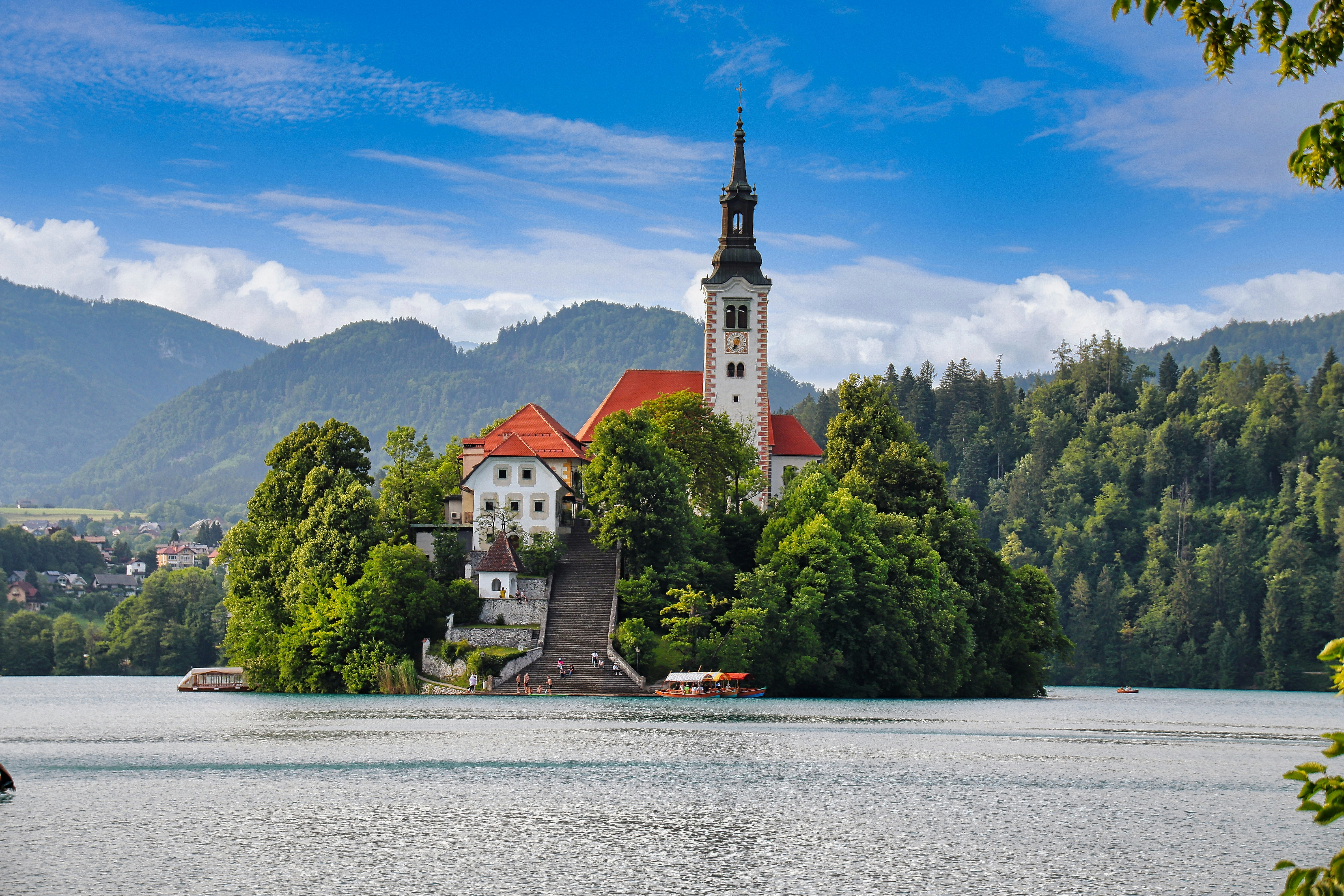
Lake Bled: Lake Bled is a highly frequented destination within Slovenia, evoking representations resembling fairytales. The freshwater lake’s appearance aligns with its iconic portrayal, accentuated by a church located on an island and the historic Bled Castle. Independent travelers can engage in scenic walking or cycling, experience a tour aboard traditional “pletna” boats to Bled Island, or undertake a hike to the Ojstrica viewpoint to observe panoramic vistas.
Piran: To experience an Adriatic coast location, a visit to Piran is advised. Located as a prominent seaside settlement along Slovenia’s Adriatic shores, Piran is noted for its architectural influence, incorporating elements of Venetian styles, as well as narrow paved walkways and captivating sunset perspectives. It is acknowledged as both secure and picturesque, representing an inviting area.
Škocjan Caves: The Škocjan Caves holds the status of a UNESCO World Heritage Site. This exceptional karst cave system contains expansive subterranean chambers accompanied by the presence of fast-flowing rivers underscored by the dramatic formation of rock structures. Exploration opportunities facilitate immersion in nature and active experiences through guided tours, bolstering safety levels for all attendees.
Maribor: Renowned globally with a burgeoning community and extensive culture for enthusiasts, Maribor serves as Slovenia’s secondary most populated city and offers significant appeal to exploration through the Lent District located along the Drava River. Points of visitation potentially include historical landmarks such as that of Maribor Castle while seeing it’s namesake that is “the Old Vine’ house that contains Slovenian wine’s longest-lived vine in the area. Safety in this city proves friendly due an inviting appeal.
Optimal Times for Visiting Slovenia
The most favorable periods to visit Slovenia align with the summer season, spanning from June through August. The period from December to March presents opportunities for enjoying winter sports within the Julian Alps and exploring Slovenia’s traditional Christmas markets. The spring months, extending from April to June, and the fall season, covering September to November, offer a reduced number of tourists, enjoyable climatic conditions, and opportunities for admiring Slovenia’s diverse scenic vistas – particularly attractive for travelers seeking a subdued and relaxed travel environment.
Essential Advice for Independent Travelers Visiting Slovenia
Leverage public transportation systems to minimize travel expenses.
Maintain a supply of readily available cash, particularly for transactions at smaller establishments and in more remote regions, as card acceptance may be limited.
Recognizing Slovenia’s recognized commitment to water quality, acquiring a refillable water bottle empowers you with access to potable water, consequently reducing associated expenditure.
Respect Slovene culture through environmental responsibility; adherence to established pathways and conscientious waste disposal contribute to safeguarding the integrity of national parks.
Advance bookings are strongly recommended for attractions like Lake Bled’s excursions involving boats, coupled with tour admissions at Postojna Cave, to securely avoid potential unavailability.
Although English proficiency across Slovenia offers convenience, communicating basic terms via Hvala (Thank you) demonstrates cultural appreciation to local contacts.
Conclusion
With well-connected transport networks, inclusive environments, and some of the safest destinations in the world, Europe is the perfect continent for independent travellers. Whether you dream of hiking in the Swiss Alps, witnessing the Northern Lights in Finland, relaxing in Slovenia’s charming lakeside towns, or experiencing the rich history of Austria and Czechia, each country on this list offers a unique and unforgettable experience.
As you plan your 2025 solo journey, remember to research visa requirements, stay mindful of local customs, and take advantage of solo-friendly travel tips for a smooth and hassle-free trip. With careful planning, your solo travel in Europe can turn from a mere adventure into an opportunity for self-discovery, cultural exploration, and personal growth.
Regardless of which European destination you are visiting, make sure to read our packing guide for Europe to ensure you are fully prepared for your trip!
Is Europe safe for solo female travellers?
Yes, Europe is generally considered a secure continent for independent female travelers, characterized by relatively low crime incidence and access to robust public transport systems. Several nations, including Switzerland, Iceland, and Finland, frequently appear in rankings assessing global safety levels.
Which European country is best for first-time solo travellers?
Switzerland, Austria, and Finland are great choices due to their safety, efficient transport systems, and English-friendly environments. Iceland is also highly recommended for its safety and ease of travel.
What is the best time for solo travel in Europe?
The timing of your travel should align with your individual requirements. Travel during the summer months (June to August) is typically preferred for favorable temperatures and observance of various festivals. Conversely, winter periods, specifically between December and March, are frequently chosen for activities such as skiing and attendance at Christmas markets.
What are some must-have travel apps for solo travel in Europe?
These resources facilitate travel planning, including route mapping via Google Maps, transport schedules using Rome2Rio, and booking of train and bus travel through Omio. Accommodation bookings can be managed via platforms such as Airbnb or Booking.com. Furthermore, language learning support is available through applications like Duolingo, enabling users to acquire foundational language competencies prior to their visit.
Do I need a Schengen visa for solo travel in Europe?
It varies based on your citizenship. Citizens of visa-exempt nations may travel freely throughout the Schengen Area for a period of 90 days days without needing a visa. Conversely, individuals from countries necessitating a visa must apply for a Schengen visa, granting access to visit all 29 countries comprising the Schengen Zone.
Please be aware that not all European nations are included within the Schengen Area. For travel to locations outside Schengen, including the United Kingdom, Cyprus, and several countries in the Balkans, individual visa regulations apply – requiring independent application procedures if a visa is required.