
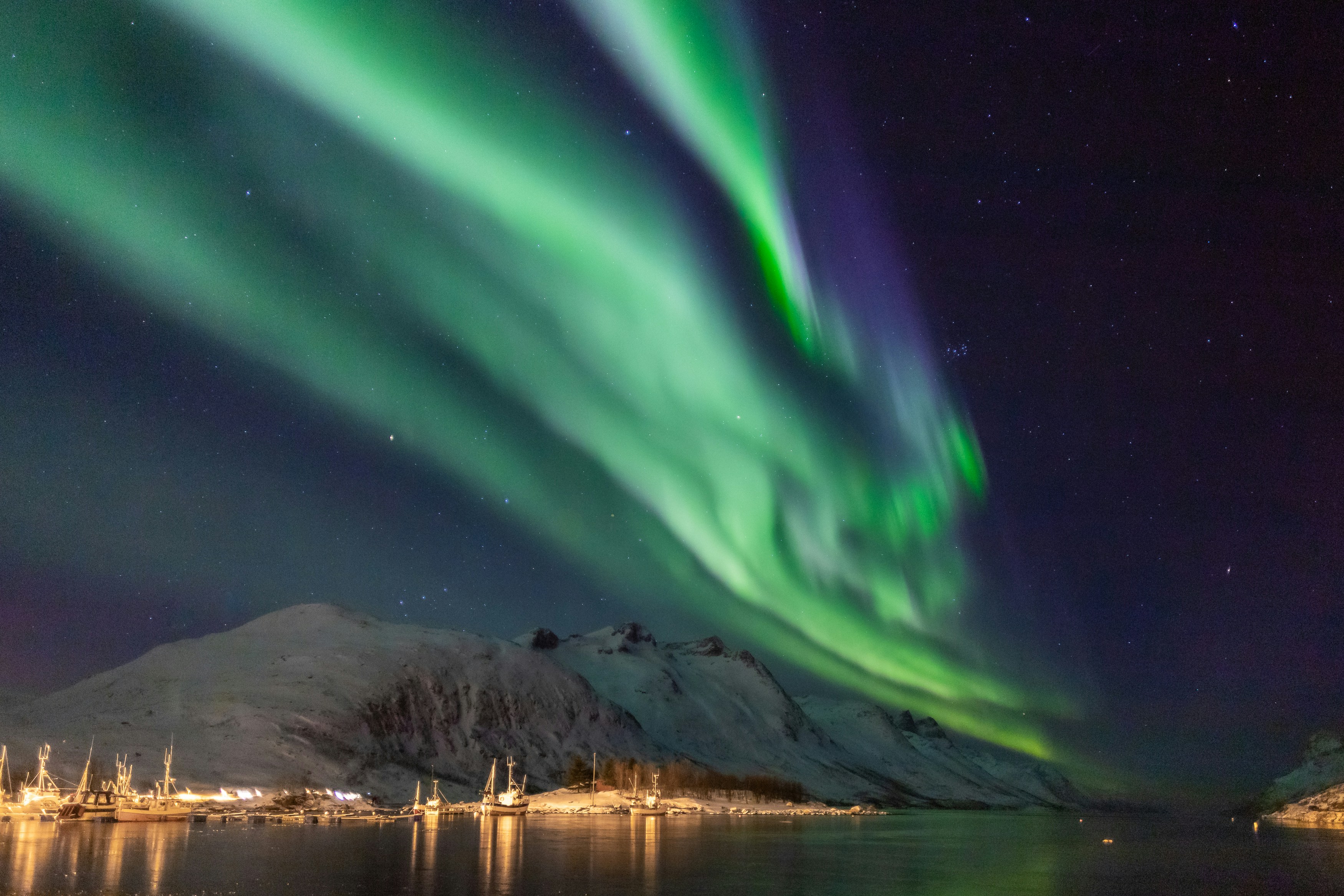
If observing the Northern Lights has been a priority, then 2025 represents the optimal year to experience this phenomenon. Driven by the impending solar maximum—a phase within the Sun’s 11-year activity cycle—auroral occurrences are projected to intensify, displaying heightened brightness and increased frequency. This elevates the probability of witnessing the aurora borealis with optimal visibility.
However, prior to detailing preferred locations for Northern Lights viewing, it is essential to address a frequently encountered misunderstanding: the Northern Lights are not consistently visible around the clock. Many individuals mistakenly believe that prolonged travel to high-latitude areas guarantees observation of auroras. This assumption is inaccurate. Multiple factors influence auroral visibility, notably clear atmospheric conditions, reduced light pollution, and significant solar activity. Consequently, even within Arctic regions, visual observation demands opportune timing and precise geographical positioning.
That is the rationale behind compiling this informative guide, outlining the best locations across continental Europe and the Americas suited for witnessing the Northern Lights. Selection from these destinations can be based upon traveler preference considering factors such as travel logistics, expenditure, environmental conditions, and pertinent leisure activities.
The following list presents six of the most recommended locations for seeing the Northern Lights that will be elaborated upon:
- Tromso, Norway
- Jokulsarlon Glacier Lagoon, Iceland
- Finnish Lapland, Finland
- Churchill, Canada
- Abisko, Sweden
- Alaska, USA
Critical Information: It is mandatory to verify all applicable entry requirements before journey planning. If a visa is required, we recommend exploring visa application services accessible through VisaFast for guaranteed on-time delivery to simplify and guarantee the completion of your application efficiently.
1. Tromso, Norway

Location: Tromso, Norway
Tromso represents a highly favoured location for observing the Northern Lights, situated at 69°N within the Auroral Oval – a region experiencing high incidences of aurora activity. This location maximizes the probability of witnessing this phenomenon during clear nights, primarily between September and April.
Tromso’s appeal for aurora enthusiasts stems from diverse viewing options. Expedited guided tours navigate the wilderness, minimizing light pollution and increasing the odds of aurora sighting. Alternatively, observation is achievable from picturesque fjordside cabins or snowy mountain ridges, or integrated into an Arctic cruise itinerary. Strategic positioning may offer views directly overhead of the city. Given the present2025 corresponding to a solar maximum period – which tends to deliver intensified and elevated aurora frequency – visiting Tromso throughout this year constitutes an opportunistic juncture for superlative northern lights views.
What is the best time to visit Tromso?
September to April is the best time for those specifically interested in Northern Lights viewing in Tromso. Out of these also, December to March are the peak viewing months. Moreover, during this time (mid-November to mid-January), you will also get to experience 24-hour almost darkness, which provides an additional ideal time for aurora hunting!
Pro-tip: Time your trip with the moon cycle. A new moon or crescent moon phase ensures a darker sky, making auroras appear more vibrant.
Additional Activities in Tromso
Beyond the Northern Lights, Tromso offers a diverse range of experiences, particularly during the winter months. Consider a fjord excursion or wildlife cruise, providing opportunities to observe orcas, humpback whales, reindeer, and Arctic foxes as you traverse icy waters. For adrenaline enthusiasts, experiences like dog sledging and snowmobiling are readily accessible.
A visit to the Arctic Cathedral is recommended, accompanied by a cable car journey up Fjellheisen to capture sweeping panoramic landscapes. Indian visitors can also immerse themselves in the Sami culture by engaging with traditional practices, connecting with indigenous reindeer herders, and actively participating in activities such as feeding or riding reindeer. Historical interests are catered for by attractions like Polaria and the Polar Museum, examining Arctic wildlife and historical exploration. Significantly, visitors can directly encounter Polar Night in Tromso’s winter, during which the city becomes enveloped in continuous darkness.
Important Precautionary Steps
Prior to travel, consult reliable sources such as Norway’s Meteorological Institute (Yr.no) or the Aurora Forecast App for up-to-date aurora and weather forecasts.
Participating in a guided tour is recommended, as expert guides monitor auroral activity and direct visitors to optimal viewing locations for an enriching experience.
While the aurora may be discernible from Tromsø, locations characterized by reduced light pollution, such as Kvaløya Island or the Lyngen Alps, significantly enhance the probability of observing the aurora borealis.
A minimum stay of 3 to 4 nights is advisable to maximize observational opportunities.
Due to potentially plummeting temperatures, ranging from -10°C (14°F) or less, it is crucial to pack thermal layers, waterproof clothing, and insulated footwear.
Transportation options include the dependable local public transport system in Tromsø. However, vehicle rental provides freedom to investigate observation areas in secluded regions possessing superior visibility conditions.
2. Jokulsarlon Glacier Lagoon, Iceland
Jokulsarlon Glacier Lagoon, situated on Iceland’s southeastern coast, offers a spectacular opportunity to observe the Northern Lights. Travel from Reykjavik to the lagoon constitutes approximately 5 to 6 hours via road. Strategic pre-planning is advised; options for overnight accommodation can be found in towns such as Höfn or Skaftafell, and there are facilities positioned close to the lagoon to avoid extensive driving during nighttime hours.
To optimise opportunities for observing the aurora, plan your visit for a clear, dark sky, positioning yourself near the lagoon to capture the enhanced reflections of the lights. Diamond Beach, immediately adjacent where ice fragments are spread across a dark volcanic shore, remains another significant location from which to witness the dance of these celestial displays in the sky.
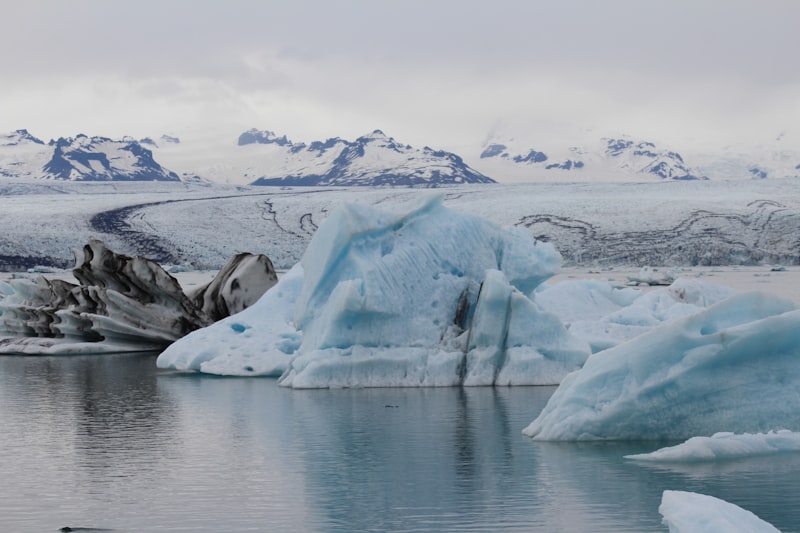
Location: Jokulsarlon Glacier Lagoon, Iceland
Optimal Timing for Visiting Jokulsarlon Glacier Lagoon
The period of Northern Lights activity at Jokulsarlon Glacier Lagoon extends from September to April; however, the months of October through March generally offer the highest probability of aurora observations resulting from longer nocturnal hours and typical auroral occurrences. Given the lagoon’s location outside of urban light pollution, a sufficiently clear winter night consistently affords significant potential for Northern Lights viewing.
Recommendation: Plan your visit to coincide with sunrise and late evening hours to thoroughly experience the glacier landscapes and maximize observed aurora borealis frequency..
What else to explore near Jokulsarlon?
Beyond chasing the Northern Lights, Jokulsarlon and its surroundings offer some of Iceland’s most awe-inspiring natural wonders. You can explore Vatnajökull National Park, home to Europe’s largest glacier, where you can hike glacier tongues, ice caves, and volcanic landscapes. Consider taking a boat tour through the lagoon, navigating between massive floating icebergs. If you’re an adventure enthusiast, book a glacier hiking or ice-caving tour at Skaftafell, where you can walk inside glowing blue ice caves during the winter months.
You can also explore the nearby cities of Höfn, a charming fishing town famous for its delicious langoustine (Icelandic lobster), and Reykjavik, where you can see the stunning Reynisfjara Black Sand Beach and basalt sea stacks. Consider unwinding in Sky Lagoon, explore Hallgrímskirkja Church, or enjoy the lively local cafés and bars.
Important Considerations for Your Trip
Iceland’s climate is notably variable. For real-time cloud cover insights and Aurora forecasts, consult the Vedur.is website. The Aurora Forecast App offers additional tracking capabilities for geomagnetic activity.
Travel along the Ring Road to Jökulsárlón can present challenges due to ice and hazardous conditions. We recommend procuring a 4x4 vehicle and diligently assessing current road conditions via Road.is before proceeding. Private transportation services with professional drivers are advised.
Layered, insulated clothing is essential to accommodate sudden temperature fluctuations. Temperatures frequently descend below -14°F ( -10°C) during winter months; winds approaching coastal conditions should also be braced against
Opportunities to observe the Aurora Borealis are facilitated by long twilight periods; extending your stay to a minimum of three evenings increases visibility as clear skies are necessary
Confirm participation in guided ice cave explorations in Iceland during the winter season, limited excursions are frequently available through the early months of March. Unique Arctic experiences including tours involving the Vatnajökull Glacier’s “Crystal Ice Caves” are most typically offered between the months of November - March – prioritizing weather conditions.
3. Finnish Lapland, Finland
Finnish Lapland, located above the Arctic Circle, consistently provides over 200 nights annually with significant aurora activity, establishing it as a highly favored destination for witnessing this natural light display.
Optimal Timing for a Lapland Trip
The period for viewing the Northern Lights in Finnish Lapland extends from late August through April. The most favorable months for this experience are predominantly September to March, characterized by prolonged periods of darkness essential for optimal aurora visibility. A distinguishing feature of travel to Finnish Lapland during December and January is the occurrence of ‘Kaamos’ (Polar Night), an event involving minimal daylight and extensive twilight durations, which is particularly advantageous for Northern Lights observations.
Discovering Additional Experiences in Finnish Lapland
Alongside the Northern Lights, Finnish Lapland presents an authentic Arctic experience encompassing expansive snowscapes, long-standing customs, and diverse winter activities. Your exploration can commence in Rovaniemi, recognized as the official hometown of Santa Claus, providing opportunities to visit Santa Claus Village, interact with reindeer, and mark your passage across the Arctic Circle. Alternatively, immerse yourselves in the cultural heritage by investigating Inari, a location positioned at the core of Sami heritage, facilitating visits to the Siida Museum and detailed insights into the unique traditions of the indigenous Sami and their way of life.
Seeking an invigorating experience, destinations like Levi and Saariselkä are favoured options providing optimal environments for skiing, snowboarding, and captivating winter wildlife excursions. For families, considered activities encompass dog sledding, traversing frozen bodies of water and snowy forests on snowmobiles, or shared reindeer sleigh rides amidst the stunning displays of the Northern Lights—a remarkably transformative opportunity. Be certain to include an immersion in a genuine Finnish sauna to conclude the visit following the activities with the ultimate level of revitalization.
Important Considerations
Refer to the Finnish Meteorological Institute’s aurora forecast, or utilize apps such as Aurora Alert, to monitor solar activity and cloud cover conditions.
Aurora visibility substantially relies on prevailing weather conditions; therefore, extending your stay to multiple nights is recommended to maximize your opportunities for clear viewing.
To enhance your experience, consider reserving accommodation like a glass-roofed igloo or a secluded wilderness cabin to observe the auroras privately.
Following an evening dedicated to aurora viewing, rejuvenate with a traditional Finnish sauna, a quintessential component of Lapland’s local traditions.
Although Finnish Lapland offers available transportation and guided excursions, obtaining a 4x4 vehicle enhances expedition possibilities whilst navigating low-light locations.
The Arctic terrain within Finland’s Lapland is particularly susceptible to ecological damage; respect the surroundings by minimizing disturbance through reduced noise levels, adhering to guidelines prohibiting unauthorized access, and diligently adhering to ethical behavior when encountering local wildlife, namely reindeer.
4. Churchill, Canada
Situated in Manitoba, Canada, Churchill provides an average of over 300 nights annually for aurora viewing. Unlike destinations where aurora visibility is often affected by weather, Churchill’s subarctic climate provides consistently clear nights, significantly increasing the likelihood of observing the Northern Lights.
Options for enhancing your viewing include experiencing the aurora from a heated Tundra Buggy, a glass-domed Aurora Pod, or a remote eco-lodge located extensively within the surrounding wilderness. Churchill is especially renowned for its substantial polar bear population. Furthermore, due to 2025 representing a peak solar activity cycle, Churchill or Canada provides an optimal opportunity for inclusion in your travel plans.
Important Note: Churchill lacks direct roadway connectivity to Canada; arrivals are typically undertaken by flying from Winnipeg, or taking a two–day journey via panoramic train through the province of Manitoba’s natural terrains. Accommodations in Churchill often exhibit rapid bookings, necessitating advance planning for your stays.
Optimal Times for Visiting Churchill
The Northern Lights season in Churchill typically extends across most of the year, with peak activity observed primarily from January through March. These months offer the darkest skies, thereby maximizing the likelihood of aurora sightings.
Alternatively, to integrate wildlife observation with aurora viewing opportunities, consider a visit to Churchill during October or November. It is during this period that substantial congregations of polar bears are frequently present along the shores of Hudson Bay, awaiting the formation of the sea ice. A combined itinerary encompassing both the spectacle of the Northern Lights and the chance to view polar bears is achievable during this time frame.
Key Attractions in Churchill
Churchill, often referred to as the “Polar Bear Capital of the World”, presents a unique chance to witness polar bears in their natural habitat. Utilizing a Tundra Buggy tour is the recommended approach to observe these impressive animals securely, all while taking in Churchill’s expansive, icy terrain. Furthermore, adventurous visitors can partake in activities such as dog sledging and snowmobiling excursions—providing an exhilarating experience to traverse the extensive snow-covered tundra.
Throughout the summer season (July–August), a significant influx of beluga whales occurs, with extensive migrations of thousands seeking warmer waters along the Churchill River. Vessel-based tours – encompassing guided boat rides, or paddleboarding activities – along with kayaking explorations facilitate close encounters with these charming and inquisitive marine mammals.
Alongside its rich wildlife viewing opportunities, Churchill boasts considerable historical depth stemming from Inuit communities and Arctic heritage. The Itsanitaq Museum offers exploration spanning centuries of preserved ancient artifacts, traditional Inuit carvings and thematic presentations concerning landmark Arctic and navigational investigation. Simultaneously, guests may ascertain additional historic context through the Prince of Wales Fort; a considerable stone fortress constructed circa the 18th century by the Hudson’s Bay Company.
Important Considerations for Your Trip
Consult the Aurora Forecast application and Environment Canada’s weather advisories to determine the optimal evenings for witnessing the Aurora Borealis.
Recognize that Churchill is a geographically isolated community with limited services; anticipate a scarcity of supermarkets and extensive dining options. Acquire necessary supplies, including refreshments, batteries, and prescription medications, prior to your arrival.
It is imperative to avoid venturing outside designated town boundaries, particularly during the months of October and November when bear activity is significantly heightened. Adhere to recommended areas, engage with guided tours, and seek local insights regarding recent wildlife observations.
Battery performance diminishes rapidly due to intensely low temperatures. Ensure sufficient quantities of spare batteries are carried, maintaining them at a warm temperature and utilizing hand warmers to circumvent freezing issues.
Churchill’s winter temperatures frequently fall below -30°C (-22°F), mandating wearing high-performance thermal clothing, insulated footwear, mittens, and a face covering to safeguard against the effects of frostbite.
Accommodations and tour availability within Churchill are both limited due to the municipality’s small size—therefore, securing your Tundra Buggy and Aurora tour reservations well in advance is strongly recommended.
Achieving exceptional photographs of the Aurora necessitates employing essential equipment such as a tripod to maintain stability, a high ISO setting (1600+), a long exposure duration (5-15 seconds), and precise manual focusing capabilities.
5. Abisko, Sweden
Abisko, Sweden, presents a compelling European option for observing the Northern Lights. Situated above the Arctic Circle within Swedish Lapland, the village includes the Aurora Sky Station, recognised globally as a leading vantage point for aurora viewing.
A significant advantage of viewing the Northern Lights in Abisko is the area’s distinct microclimate, often contributing to superior sky visibility when compared to alternatives throughout Scandinavia. Activities available include viewing the displays from the Sky Station and traversing the Abisko National Park along with engaging with options such as luxury wilderness lodges viewing the spectacle through snow sports like snowshoeing, downhill trail skiing or exploring through experiences such dogsled tours all whilst taking the sights.
Optimal Timing for Northern Lights Viewing in Abisko
The period of high Northern Lights activity in Abisko extends from September through April. Specifically, the months of December, January, February, and March generally provide the most favorable conditions, characterized by extended darkness and more predictable meteorological stability.
Exploring Additional Opportunities in Abisko
In addition to viewing the Northern Lights, Abisko provides an authentic Arctic wilderness encounter alongside remarkable landscapes and engaging outdoor pursuits. A visit to Abisko National Park is highly recommended, permitting participation in activities such as snowshoeing or winter hiking along pristine paths encased in frozen lakes alongside immense mountain ranges. Intrepid travellers may partake in exhilarating experiences including dog sledding and snowmobiling excursions designed to facilitate explorations of the Arctic wilderness.
Nearby, located a brief distance from Abisko, is Jukkasjärvi, the residence of the renowned Icehotel, where nearly all aspects, from architectural structures to furnishings, are fashioned by carving from ice. Guests can choose to reside there overnight, or solely experience a refreshment at the dedicated Ice Bar. Furthermore, Lapporten, which is commonly called the “Gateway to Lapland”, represents a notable natural formation—a distinctive U-shaped mountain that allows for observing remarkable winter dawn and sunset panoramas. The region facilitates scheduled visits to Aboriginal Sámi villages, where opportunities arise to familiarise oneself with the Indigenous Sámi community and culture, observe reindeer activities and enjoy a shared meal within authentic lavvu (Sámi tents).
Important Information Before Your Visit
Refer to the Swedish Meteorological and Hydrological Institute (SMHI) website and the Aurora Forecast application to monitor cloud cover conditions and aurora activity levels.
Access to Abisko is primarily facilitated through train transportation originating from Kiruna, alternatively, a scenic overnight train journey is available from Stockholm.
Expect temperatures to potentially fall to -20°C (-4°F) or less; therefore, packing appropriate thermal layers, insulated footwear, and windproof outer garments are strongly recommended.
Availability for the Sky Station experience is subject to limitations; therefore, advance reservations are essential to guarantee access to this notable excursion.
6. Alaska, USA
Alaska presents an exceptional location within the United States for observing the Northern Lights. This region benefits from its high latitude, extended durations of darkness throughout the winter, and expansive, sparsely populated wilderness areas characterised by reduced light contamination. Due to its positioning beneath the Auroral Oval, Alaska provides consistent and vibrant displays of the aurora borealis—some of the most frequent North American sightings.
Witnessing the Northern Lights in Alaska constitutes a profoundly captivating encounter. Observation points span from comfortable lodges in Fairbanks, secluded cabins within Denali National Park, to specialized Arctic igloo accommodations in regions like Coldfoot, representing memorable, uniquely-immersive encounters.
Optimal Timing for Visiting Alaska
The period characterized by elevated Northern Lights activity in Alaska extends from late August through early April, correlating with the duration of the night and the corresponding extent of dark skies. Ideally, visits during the winter months – specifically, between November and March – represent the highest probability of witnessing significant auroral displays, while the extensive snow cover accentuates the scenic qualities of the terrain. Conversely, the months of September and early October provide a suitable compromise, enabling opportunities for auroral observation alongside engagement in outdoor pursuits prior to the onset of deep winter conditions.
Note: Fairbanks is recognized as a preferred location within the United States for aurora viewing, partly due to its greater frequency of clear evenings compared to coastal locales such as Anchorage.
Exploring Additional Alaskan Destinations
Begin your exploration in Fairbanks, recognized as Alaska’s aurora capital, presenting opportunities to visit the Aurora Ice Museum, Chena Hot Springs, and the University of Alaska’s Geophysical Institute, which offers current aurora forecasts. Consider immersive wilderness experiences through dog sled expeditions across the snow-covered tundra or ice fishing experiences against the backdrop of the Arctic sky.
Alternatively, journey northward to Coldfoot or Wiseman located within the Brooks Range, destinations renowned for exceptional aurora viewing conditions attributable to negligible light obstruction. An aerial tour to Utqiaġvik (Barrow), the northernmost settlement in the United States, provides a distinctive cultural encounter within the Arctic environment. Significant to an Alaskan journey is a visit to Denali National Park, a key site encompassing substantial wildlife habitats including moose, caribou, wolves and prominent natural structures, notably Denali Peak – a mountain constituting North America’s highest peak. Rounding out compelling considerations, a visit to Glacier Bay National Park remains integral providing access to observe calving glaciers, coupled with stunning glacial characteristics and terrains within the Arctic landscape.
Important Travel Information
Consult the Geophysical Institute’s Aurora Forecast website to monitor auroral activity and cloud coverage.
Arrival at Fairbanks International Airport (FAI) is recommended; subsequently, secure transportation via rental vehicle or guided excursions to destinations like Coldfoot or Chena Hot Springs for optimal aurora observation.
Winter temperatures are often below -30°C (-22°F), necessitating appropriate winter clothing.
Consider accommodations such as glass-roofed igloos or aurora-viewing cabins, notably Borealis Basecamp, situated close to Fairbanks.
Conclusion
The destinations of Tromsø, the Jokulsarlon Glacier Lagoon, Finnish Lapland, Churchill, Abisko, and Alaska represent notable locations for observing the Northern Lights. Experiences at these locations range from accommodations such as glass-roofed igloos in Finland to guided boat tours on Iceland’s glacier lagoon, or opportunities for polar bear spotting under the auroras in Churchill.
To optimize your viewing experience, it is recommended to extend your stay for multiple nights. Continuous monitoring of aurora forecasts is advised, alongside selecting locations characterized by reduced ambient light. Furthermore, preparedness involving suitable clothing for sub-zero temperatures, in addition to advance bookings for accommodations and tours, are beneficial considerations.
What is the best month to see the Northern Lights?
The optimal periods for observing the Northern Lights typically span from December to March; these months represent the highest probability of witnessing the phenomenon due to increased darkness and extended periods of available light. Nevertheless, aurora activity can vary considerably depending on your chosen location, with certain areas experiencing more pronounced or sustained displays during periods outside of the ‘peak’ months from December to March.
Can I check when the Northern Lights will appear?
Aurora forecasts utilize predictions of Northern Lights activity, forecasting potential occurrences several days in advance. This is determined by analysing solar storm and geomagnetic activity data. Multiple sources provide real-time updates, including the NOAA Space Weather Prediction Center, the Aurora Forecast App, and regional meteorological reports.
How long do the Northern Lights last when they appear?
Auroral displays can last from a few minutes to several hours, depending on solar activity. On strong aurora nights, the lights may come and go multiple times. They often appear as faint green glows before intensifying into bright, dynamic ribbons, so patience is key when aurora hunting.
Do I need special equipment to see the Northern Lights?
To optimally observe the aurora borealis with the unaided eye, specialized equipment is not typically required. However, utilizing a camera equipped with manual settings can substantially improve the visibility of distinct colours potentially undetectable by the human eye. Achieving optimal photographic results will generally involve the use of a tripod, adjustments to high ISO settings, and implementation of longer exposure times.
Can you see the Northern Lights in the summer?
No, the Northern Lights are not observable during summer months within Arctic regions resulting from uninterrupted daylight conditions known as the Midnight Sun. To experience aurora viewing effectively, opportunities for dark, clear sky conditions are required, ordinarily obtainable between late August and early April at most typical aurora destination locations.
Is it better to see the Northern Lights on a guided tour?
Selecting a guided tour significantly improves your probability of observing the Northern Lights, leveraging the expertise of knowledgeable guides who continuously monitor live aurora activity alongside critical meteorological data to position participants within optimum viewing locations. These excursions frequently provide amenities such as climate-controlled transportation, expert guidance regarding photographic techniques, and invaluable insights into local traditions—presenting a recommended choice for individuals undertaking their inaugural aurora viewing experience.