
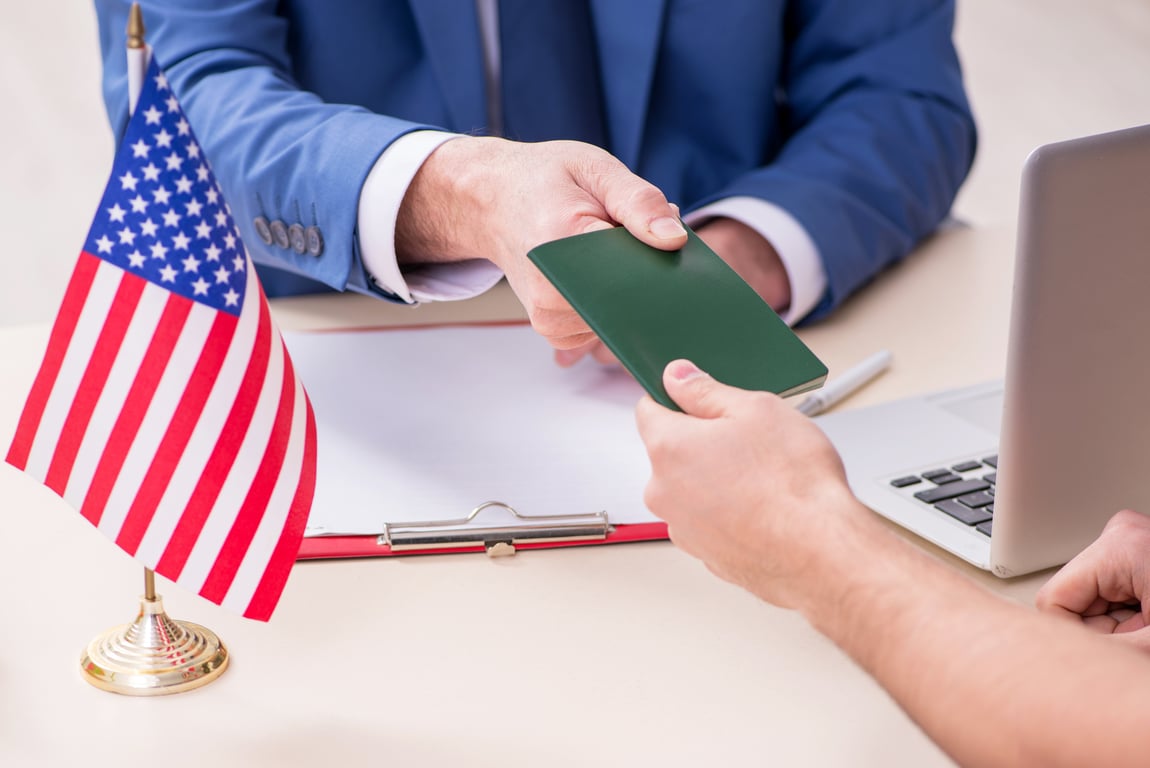
Concerned about your impending B1/B2 visa appointment? Are you encountering numerous online resources offering purported “ultimate strategies” or “guaranteed success techniques” for the interview process? If so, you have reached the appropriate destination. The following information provides key insights:
At VisaFast, having overseen the facilitation of numerous US visas, we have identified a critical observation: a definitive, universally applicable guide does not exist for navigating US visa interviews. Each case presents unique circumstances, and particularly concerning US visa interviews, a standardized methodology is unavailable. Nevertheless, a foundational comprehension of the interview’s core elements and procedure can substantially improve your prospects for a positive outcome.
Based on insights from VisaFast visa specialists, the initial stage of preparing for your visa interview involves a deliberate reduction in reliance on superfluous advice, anecdotal evidence, and unsubstantiated claims surrounding the US visa interview. This approach focuses on a thorough understanding of the essential elements and the established procedural requirements.
Dispelling Common Misconceptions Regarding US Visa Interviews
To provide clarity and address prevalent misunderstandings, we will examine some frequently encountered misconceptions:
The officer’s mood decides your visa – A Big False!
Well, we had to start with this! There are numerous personal accounts on Quora or Reddit about how the officer’s bad mood led to the visa refusal. However, there is no truth in such a claim because the consular officers follow a set process to decide on visa applications. They go by facts and not emotions! Interestingly, even before they meet you, they have already gone through your visa application and have made a prior understanding of your case. The visa interview for the USA visa is simply conducted to double-check the circumstances before coming to a decision.
So, while the consular officers are human and may have busy days, their primary focus is to evaluate your case solely based on the information you provide.
Providing concise responses to questions is generally discouraged – False!
Numerous online sources recommend either brief or expansive answers; however, we contend that both approaches can be detrimental. During your B2 visa interview, if a consular officer inquires about your travel purpose, responding with only “tourism” or delivering a five-minute explanation can create a negative impression. Instead, you should explicitly state your intention is tourism and detail your planned activities, such as visiting New York, New Jersey, and Connecticut.
Given that consular officers operate under strict time constraints and require direct, unambiguous answers, it’s advisable to provide succinct responses to direct inquiries. If further clarification is required, the officer will subsequently request additional information.
What should be avoided during a US visa interview? It’s crucial to refrain from statements that may suggest uncertainty regarding your travel plans or demonstrate dishonesty concerning your intentions. Examples include, “I don’t know,” “I’m unsure about my travel plans,” or “I haven’t yet determined my return date.”
The officer can ask you anything under the sky - False!
This is another common misconception that causes unnecessary anxiety. Trust us; there are no out-of-syllabus questions! A visa officer only asks questions related to your travel and the information and documents you provide. While it may feel like the officers have unlimited freedom to ask whatever they want, the truth is all of their questions are purposeful and aimed at verifying the details of your application. Their goal is not to trip you up or catch you off guard but to clarify specific aspects of your trip—such as your purpose, your ties to your home country, and how long you plan to stay.
So, instead of imagining out-of-the-blue questions, be thorough regarding your travel plans and with the information you are providing in your visa application and supporting documents.
Having a relative in the US does not automatically lead to rejection – This is a common misconception.
Demonstrating sufficient ties to your home country is a crucial element assessed during your visa application. Disclosing familial connections to the United States does not inherently result in automatic rejection. Although the consular officer may pursue further inquiries regarding your existing commitments within your country of residence to evaluate the likelihood of your return, the presence of friends or relatives is not considered a detrimental factor. It is essential to successfully demonstrate robust and verifiable ties to your home country.
What constitutes acceptable evidence of ties for a US visa? Acceptable documentation includes items that demonstrate ongoing responsibilities and commitments within your country of residence, such as employment verification letters, evidence of business ownership, property deeds, and documentation pertaining to marital status or the birth of children.
Interviews are Conducted in English - A Frequently Misunderstood Aspect
A prevalent misunderstanding is that U.S. visa interviews are exclusively conducted in English. This can cause significant concern for applicants, particularly parents, who may be apprehensive about potential difficulties arising from language differences. The U.S. embassies and consulates globally recognize the diverse backgrounds of applicants and acknowledge that many individuals may not possess a high level of English proficiency. Therefore, for U.S. visa applicants who are not comfortable communicating in English, the following options are available:
Language Selection for the Interview: During the visa appointment booking process, applicants are permitted to select their preferred language for the interview. U.S. visa authorities offer interviews in numerous local languages, including Hindi, Marathi, and Punjabi.
Requesting a Translator: Should no language appointments be available (often due to high demand), applicants can request a translator at the time of their interview.
It’s important to note that U.S. visa officers prioritize applicant comfort and ensure that language barriers do not impede the ability to adequately explain the purpose of travel, financial circumstances, or other essential details.
Important: Translation services for languages other than Hindi are not consistently accessible at all U.S. visa posts. If you require translation services in a language other than Hindi, we strongly advise scheduling an appointment at the nearest U.S. consulate, where language support is more readily available.
Attire Does Not Determine Outcome – A Misconception
It is important to clarify that there are no prescribed guidelines regarding attire for a US visa interview. The United States government has not established any specific requirements concerning what applicants should wear, and your appearance does not influence the decision-making process. The interview’s assessment is primarily based on your completed application, supporting documentation, and the stated reason for your intended travel. While your demeanor is a significant factor, your clothing choices are not the primary determinant. A casual presentation, regardless of whether it stems from informal attire or conversational style, may be interpreted as a lack of seriousness regarding the visa application procedure.
Therefore, while formal attire such as a suit is not necessary, presenting yourself in a well-groomed and respectful manner demonstrates your commitment to the process. The focus is on conveying confidence and preparedness, rather than making a statement through your clothing.
Tips for Your US B1/B2 Visa Interview Preparation
Now that we’ve debunked the myths, let’s focus on some simple yet effective tips that can help you prepare for your US visa interview.
1. Arrange your documents and know them thoroughly
A key pre-interview preparation tip is to arrange your documents and know them by heart. Arranging the documents ensures that during the interview, if the visa officer asks for certain proof, you can readily show it without panicking about finding it in the pile of your documents! For ease, consider keeping a checklist that helps you with the document and their number in the file. Additionally, all the interview questions are based on the information you provide in the DS-160 Form, so if you thoroughly know all the provided information, you have nothing to worry about.
2. Identify Potential Concerns in Your Application
According to VisaFast visa specialists, it is crucial to identify potential vulnerabilities within your visa application. These refer to specific aspects of your application that may prompt further scrutiny or questions during the interview process. For example, a prior US visa denial. An officer will likely investigate the reasons for the initial refusal and determine if your circumstances have since evolved. When confronted with such a situation, proactively understanding these weaknesses allows you to articulate the circumstances honestly, addressing concerns regarding insufficient documentation, ambiguous travel plans, or other relevant factors. You can effectively demonstrate any subsequent efforts to mitigate these issues, such as presenting strengthened evidence of your connections to your country of residence or demonstrating enhanced financial resources.
3. Practice your answers
A little mock interview costs nothing! Practising your answers to common questions will boost your confidence and help you respond clearly during the interview. Note that the most commonly asked B1/B2 visa interview questions revolve around your trip’s purpose, financial stability, ties to your home country, and planned itinerary.
If you are travelling with your child, conducting these mock interviews together can be particularly beneficial. It not only helps with your B1/B2 visa interview preparation but also familiarises your child with the process, making them feel more comfortable and confident during the actual interview. So, rehearse concise, honest answers that reflect your situation without over-explaining or going off-topic.
4. Do not overthink!
Prime mantra- avoid getting caught up in anxiety or self-doubt! Overthinking can lead to confusion and second-guessing your responses, making it more challenging to present yourself clearly. Moreover, consular officers recognise when applicants are overprepared or trying to memorise scripted answers. This can come across as unnatural, potentially raising red flags during the interview. Instead of rehearsing a perfect script, focus on genuinely understanding your case and the details of your application. This approach will allow you to answer questions more naturally and authentically, which is what visa officers are looking for.
Remember to take deep breaths and remind yourself that you have prepared well.
Important Considerations for Your US Visa Interview
Punctual Arrival: It is advisable to arrive at least fifteen minutes prior to your scheduled appointment to mitigate potential stress.
Professional Attire: Present yourself professionally; avoid overly casual clothing that may suggest a lack of seriousness regarding your application.
Truthful and Direct Responses: Provide accurate and succinct responses to the interviewer’s questions. Clarity and directness are essential.
Maintain a Respectful Attitude: Throughout the interview, maintain a calm and polite demeanor. Avoid any displays of rudeness or argumentative behavior.
Anticipate Probing Questions: Be prepared to expand upon your initial responses, particularly if specific details are requested. For example, should you indicate a visit to family members, be ready to provide information regarding their identities and residential addresses.
Conclusion
If we have to answer this question in one word- is it difficult to pass the US visa interview process? The answer is NO.
While the B1/B2 visa interview may seem daunting, understanding the process and preparing can significantly ease your anxiety and simplify things. All you have to do is shrug off all the countless rumours you hear and know your application case by heart! Remember, visa officers are looking for genuine applicants with a solid understanding of their travel plans and ties to their home country. By staying calm, presenting yourself respectfully, and communicating clearly, you can expect positive outcomes. So, embrace the interview as a chance to share your story rather than a hurdle to overcome!
Recent Blogs
- Easiest schengen countries to get visa from
- E-visa vs regular visa
- How to Fill the DS-160 Form
- H4 Visa Interview Questions
- B1/B2 Interview Questions and Answers
- Visa On Arrival Countries For Indian Citizens
- Visa Free Countries For Indian Passport Holders
- H1B Visa Interview Questions & Answers
- K1 Visa Interview Questions
- F1 Visa Interview Questions & Answers
- Schengen Visa Country of First Entry
- J1 Visa Interview Preparation